No. 25-1070October Term 2025Petition PendingUpdated Sep 1, 2026
AstraZeneca Pharmaceuticals v. Mosaic Health
AstraZeneca Pharmaceuticals LP v. Mosaic Health, Inc.
AstraZeneca, Eli Lilly, Novo Nordisk, and Sanofi ask the Supreme Court to review a Second Circuit antitrust case brought by health-care providers.
Case status
- Current stage
- Petition Pending
- Latest event
- Petition pending
- Next
- Awaiting an order on the petitionNo decision timeline until the Court agrees to hear the case.
- What it's about
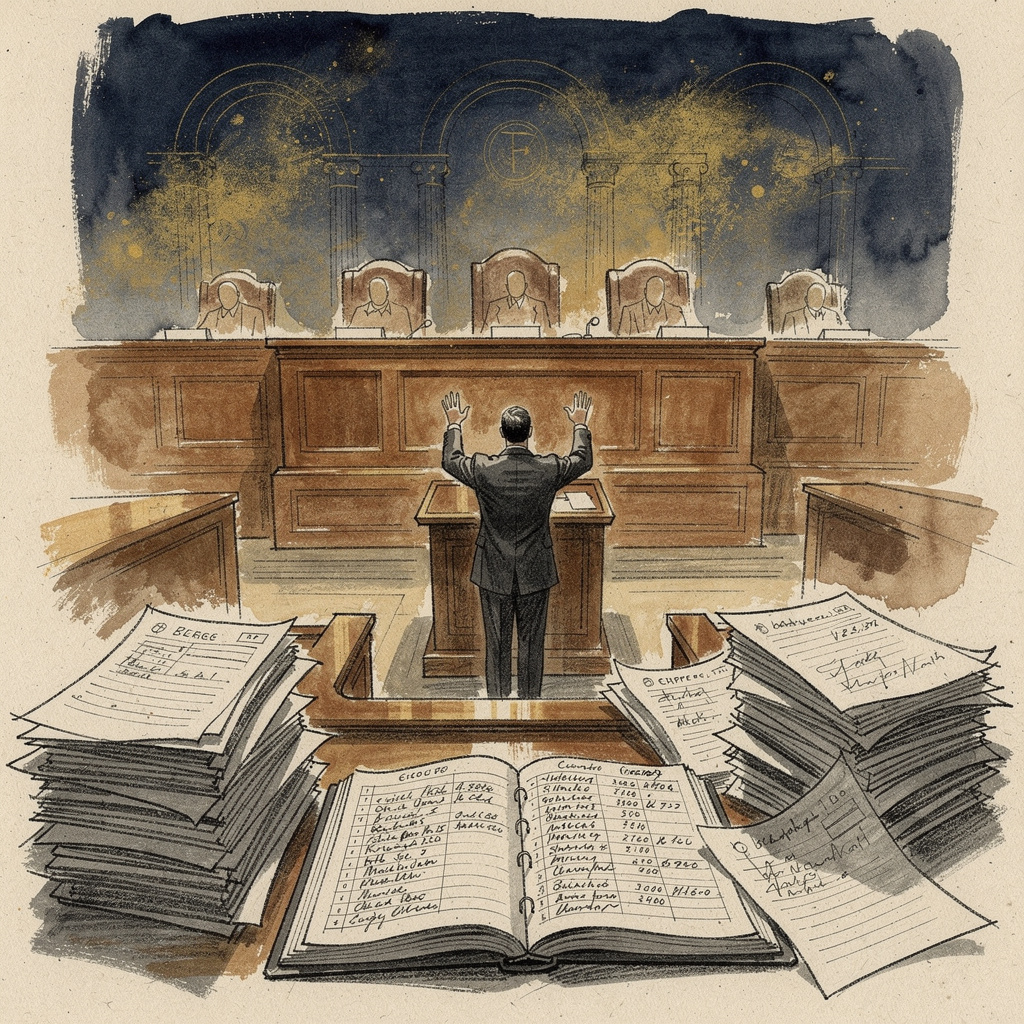
AstraZeneca, Eli Lilly, Novo Nordisk, and Sanofi ask the Supreme Court to review a Second Circuit antitrust case brought by health-care providers. The dispute concerns whether the providers may seek lost-profit damages tied to purchases or sales they say did not occur because of an alleged drug-pricing conspiracy, and whether allegations of joint lobbying and trade-association participation plausibly show an agreement to conspire.
Question presented
1. Whether Illinois Brick Co. v. Illinois, 431 U.S. 720 (1977), which bars antitrust claims by indirect purchasers and sellers, applies to a claim of “lost profit” damages based on indirect purchases or sales that were not made due to the alleged conspiracy? 2. Whether the allegation that businesses had an “opportunity to conspire,” such as through joint lobbying and participation in a trade association, plausibly suggests an antitrust conspiracy?
- Case path
United States Court of Appeals for the Second Circuit / Petition pending
- Area
Business and Regulation
Briefing
What it's about
Drug companies AstraZeneca and Eli Lilly ask the Supreme Court to review a Second Circuit antitrust case involving claimed lost profits and alleged coordination among businesses. The petition raises questions about suits based on indirect sales and whether lobbying or trade-association activity can plausibly suggest a conspiracy.
Argument
The case is pending, and oral argument has not been scheduled. No substantive justice or advocate reactions are available yet.
Impact
The case could affect when businesses may seek antitrust damages for profits they say they lost from sales that never occurred. For example, a company claiming it lost customers because of an alleged drug-industry conspiracy could face limits on its ability to sue.
What's next
The Court may decide whether to grant certiorari (the Court's decision to hear the case). No argument date or decision window is available; watch for a scheduling order or other Court action.
What is at stake in AstraZeneca v. Mosaic Health?
The case asks when companies can seek antitrust damages for lost profits tied to indirect sales that did not occur.
Who could be affected by this antitrust case?
Businesses claiming lost sales, including companies in concentrated industries, could be affected. So could companies accused of coordinating through lobbying or trade associations.
What happens next in AstraZeneca v. Mosaic Health?
The Supreme Court will first decide whether to grant certiorari (the decision to hear the case). Oral argument has not been scheduled.
Documents
Activity
Docket activity2
AI analysis generated: Case Briefing
Sep 1, 2026 | Generated
Brief added: Petition
Mar 5, 2026 | Court records
Related cases


Grounding
- Grounding
- Primary materials plus reporting.
- Note
- Best-effort analysis: this explainer relies on a mix of primary materials and trusted secondary sources. Official filings and opinions remain authoritative.
- Checked
- Sep 1, 2026
- Method
- Methodology