Tribal and federal prosecutions
Denezpi v. United States
In brief
The Supreme Court allowed the later federal prosecution because the two prosecutions involved distinct offenses arising from one act.
- Where it stands
- Decided
Decided 6-3 · June 13, 2022 · Opinion by Justice Barrett
- What it’s about
- This case asked whether the federal government violated the Double Jeopardy Clause by prosecuting Merle Denezpi in federal court after he had already been prosecuted in a Court of Indian Offenses for conduct arising from the same incident on tribal land.
- Who it affects
- The ruling allows successive prosecutions for distinct offenses arising from one act, even when the same government brings both cases. Lower courts can use that rule when deciding similar Double Jeopardy challenges.
Summary: written with AI from the case record.
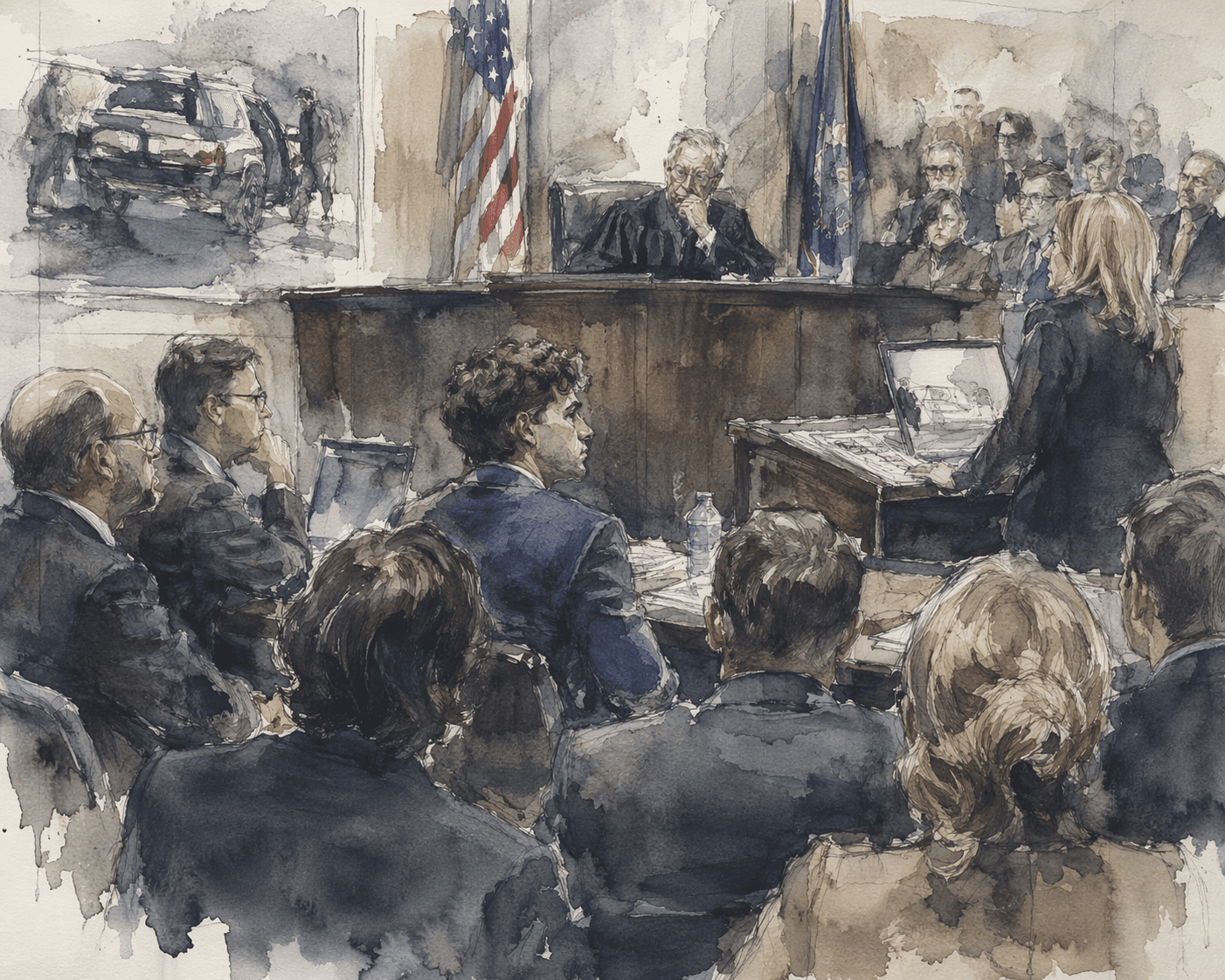
What it's about
The Supreme Court held that the later federal prosecution was allowed because the two prosecutions were for different offenses.
The case tested whether one government may bring two prosecutions arising from a single act when the offenses are distinct.
Question presented
Is the Court of Indian Offenses of Ute Mountain Ute Agency a federal agency such that Merle Denezpi's conviction in that court barred his subsequent prosecution in a United States District Court for a crime arising out of the same incident?
What the Court decided
Holding
The Double Jeopardy Clause does not bar successive prosecutions of distinct offenses arising from a single act, even if a single sovereign prosecutes them. 979 F. 3d 777, affirmed.
- Result
- Affirmed
The vote
From the opinions
“Federal prosecutors tried Merle Denezpi twice for the same crime.”
What's next
The Tenth Circuit's ruling remains in place after the Supreme Court's decision. Lower courts can apply this rule to future Double Jeopardy challenges involving distinct offenses from one act.
Documents
Docket activity
New analysis added
AI analysis generated: Case Briefing
New analysis added
AI analysis generated: Impact Analysis
AI analysis generated: Opinion Summary
Show 5 moreShow fewer
AI analysis generated: Decision Record
Case data updated: status, opinion_date
Opinion added: opinion
Brief added: Petition
Brief added: Questions Presented
More questions
- What did Denezpi v. United States decide?
- The Supreme Court upheld the Tenth Circuit's ruling. It said the Double Jeopardy Clause allows successive prosecutions for distinct offenses arising from one act, even when the same government brings both.
- What did Merle Denezpi argue about the later prosecution?
- He argued that the later federal prosecution violated the Double Jeopardy Clause. An earlier prosecution in the Court of Indian Offenses arose from the same incident.
- How does the ruling affect future Double Jeopardy challenges?
- It permits successive prosecutions for distinct offenses arising from one act, even when the same government brings both. Lower courts can apply that rule in similar disputes.
- What happens next in Denezpi v. United States?
- The Tenth Circuit's ruling remains in place after the Supreme Court's decision. Lower courts can use the rule when reviewing similar Double Jeopardy challenges.
Sources
Primary materials plus reporting. Best-effort analysis: this explainer relies on a mix of primary materials and trusted secondary sources. Official filings and opinions remain authoritative.