Real harm for class actions
TransUnion v. Ramirez
In brief
The Court limited federal damages suits against private companies to people who suffered concrete, real-world harm; it overturned (reversed) the Ninth Circuit's ruling and sent the case back (remanded).
- Where it stands
- Decided
Decided 5-4 · June 25, 2021 · Opinion by Justice Kavanaugh
- What it’s about
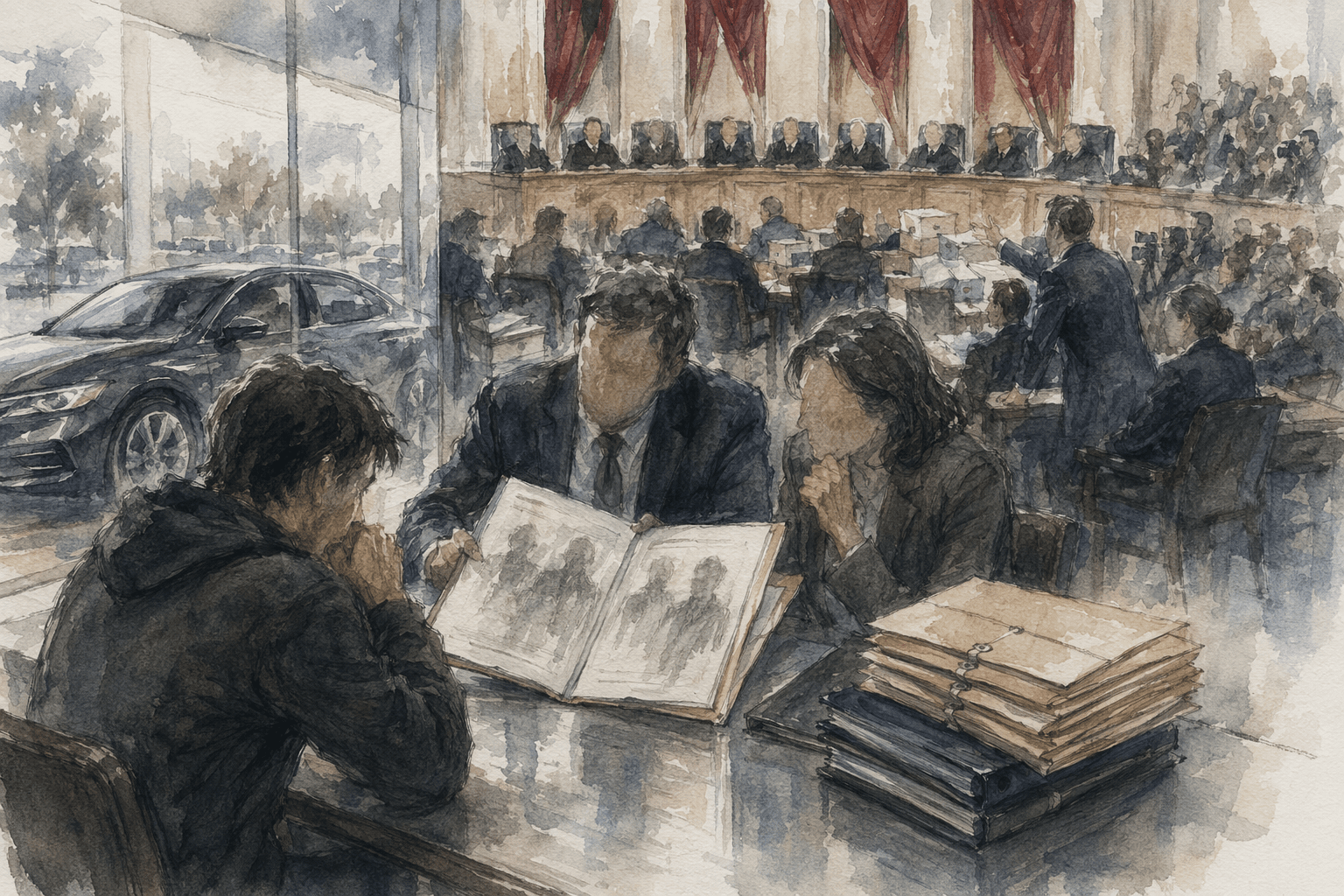
- This case asked whether people may recover damages in federal court under the Fair Credit Reporting Act when a credit reporting agency incorrectly labeled them as possible matches to a government terrorist list, even if many of them never had that misleading information sent to anyone else.
- Who it affects
- The ruling limits federal damages claims against private companies to people who can show a concrete, real-world injury, such as having misleading information shared with a third party.
Summary: written with AI from the case record.
What it's about
The Court held that only class members who suffered a concrete, real-world injury—such as having the misleading credit report shared with a third party—had Article III standing to seek damages.
More broadly, the case shows that a federal law can create a claim, but the Constitution's Article III still requires a real-world injury before a federal court can award damages.
Question presented
Whether either Article III or Rule 23 permits a damages class action where the vast majority of the class suffered no actual injury, let alone an injury anything like what the class representative suffered.
What the Court decided
Holding
Only plaintiffs concretely harmed by a defendant’s statutory violation have Article III standing to seek damages against that private defendant in federal court. 951 F. 3d 1008, reversed and remanded.
- Result
- Reversed
The vote
From the opinions
“The Court here transforms standing law from a doctrine of judicial modesty into a tool of judicial aggrandizement.”
What's next
The case was sent back to the Ninth Circuit (remanded) for further proceedings. Lower courts will apply the concrete-injury rule when deciding whether similar private damages claims can proceed in federal court.
Why it matters
A legal violation alone is not enough to seek damages in federal court, and the case was sent back to the Ninth Circuit (remanded) for further proceedings.
Documents
Docket activity
New analysis added
AI analysis generated: Case Briefing
New analysis added
AI analysis generated: Impact Analysis
AI analysis generated: Opinion Summary
Show 5 moreShow fewer
AI analysis generated: Decision Record
Case data updated: status, opinion_date
Opinion added: opinion
Brief added: Petition
Brief added: Questions Presented
More questions
- What was TransUnion LLC v. Ramirez about?
- The case involved people labeled as possible matches to a government terrorist list, including some whose reports were never shared with anyone else. It asked whether they could seek damages under the Fair Credit Reporting Act when the information was not shared.
- What did the Supreme Court decide about Article III standing?
- Only people concretely harmed by a private company's legal violation have Article III standing to seek damages in federal court. The Court overturned (reversed) the Ninth Circuit's ruling and sent the case back (remanded).
- How did the ruling affect class members without concrete harm?
- People who cannot show concrete, real-world harm do not have Article III standing to seek damages in federal court. A violation of a law alone is not enough.
- What happens next in TransUnion LLC v. Ramirez?
- The case was sent back to the Ninth Circuit (remanded) for further proceedings. Lower courts will apply the concrete-injury rule to similar federal damages claims.
Sources
Primary materials plus reporting. Best-effort analysis: this explainer relies on a mix of primary materials and trusted secondary sources. Official filings and opinions remain authoritative.