Power to fire agency leaders
Seila Law v. Consumer Financial Protection Bureau
In brief
The Supreme Court wiped out the Ninth Circuit’s ruling and sent the case back to that court (vacated and remanded), so the underlying dispute continues.
- Where it stands
- Decided
Decided 9-0 · July 8, 2020 · Opinion by Justice Thomas
- What it’s about
- The Supreme Court wiped out the Ninth Circuit’s judgment and sent the case back to that court (vacated and remanded).
- Who it affects
- Because the Ninth Circuit’s ruling was wiped out, that court must handle the case again. The Supreme Court’s action does not identify who ultimately wins the underlying dispute.
Summary: written with AI from the case record.
What it's about
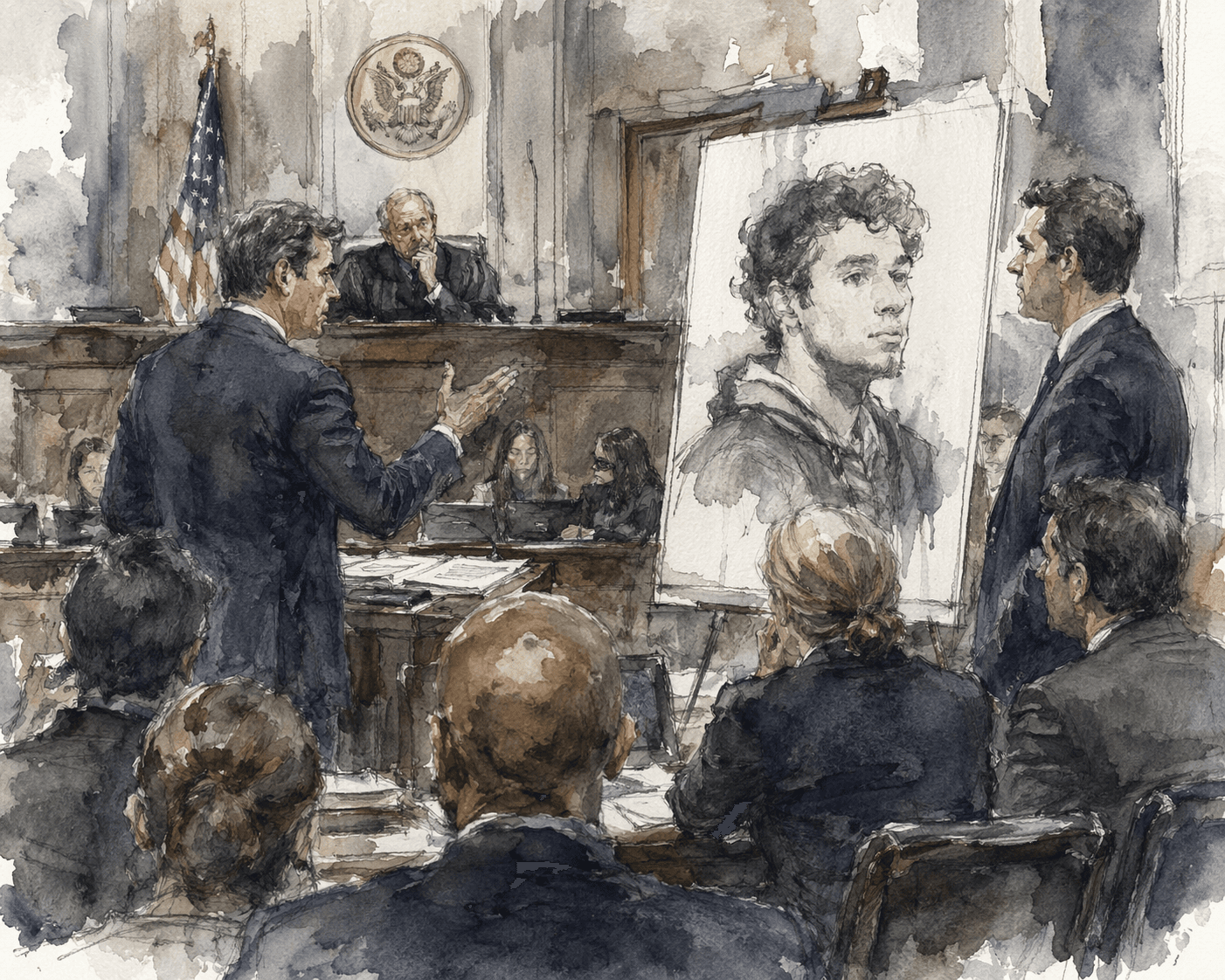
The dispute involved the Consumer Financial Protection Bureau’s demand for information from Seila Law and whether the Bureau’s single-director structure violated constitutional rules dividing government power, or whether its removal protection could be separated from Dodd-Frank.
The case is part of a broader debate over presidential control and the independence of executive agencies.
Question presented
1. Whether the vesting of substantial executive authority in the Consumer Financial Protection Bureau, an independent agency led by a single director, violates the separation of powers? 2. If the Consumer Financial Protection Bureau is found unconstitutional on the basis of the separation of powers, can 12 U.S.C. § 5491(c)(3) be severed from the Dodd-Frank Act?
What the Court decided
Holding
The judgment is vacated and remanded. 923 F. 3d 680, vacated and remanded.
- Result
- Vacated
The vote
- Joined the judgment
- Concurred in a separate opinion
- Wrote an opinion
- Majority · 5joined the Court's opinion
From the opinions
“I respectfully dissent from the Court’s severability analysis, however, because I do not believe that we should address severability in this case.”
What's next
The Ninth Circuit must continue the case after the Supreme Court wiped out its ruling. The final result for the parties remains unresolved.
Documents
Docket activity
New analysis added
AI analysis generated: Impact Analysis
AI analysis generated: Opinion Summary
Case data updated: summary, question_presented, generation_metadata
New analysis added
Show 6 moreShow fewer
AI analysis generated: Case Briefing
AI analysis generated: Decision Record
Case data updated: status, opinion_date
Opinion added: opinion
Brief added: Petition
Brief added: Questions Presented
More questions
- What did Seila Law challenge?
- Seila Law challenged the CFPB’s single-director structure. It argued that giving one director major executive power while allowing presidential removal only for a legally accepted reason violated separation of powers.
- What was the question about the CFPB’s removal rule?
- The case asked whether that rule could be cut out of the Dodd-Frank Act while the rest of the law remained in place.
- What did the Supreme Court do in Seila Law?
- It wiped out the Ninth Circuit’s ruling and sent the case back for further proceedings (vacated and remanded).
Sources
Primary materials plus reporting. Best-effort analysis: this explainer relies on a mix of primary materials and trusted secondary sources. Official filings and opinions remain authoritative.