Pereida v. Wilkinson
In brief
Pereida lost because the Court said an ambiguous conviction record did not prove he was eligible to seek cancellation of removal.
- Where it stands
- Decided
Decided 5-3 · March 4, 2021 · Opinion by Justice Gorsuch
- What it’s about
- José Pereida, a nonpermanent resident seeking to cancel his removal order, had a state conviction under a law covering several crimes.
- Who it affects
- The decision places the risk of an unclear criminal-court record on certain nonpermanent residents seeking relief from removal.
Summary: written with AI from the case record.
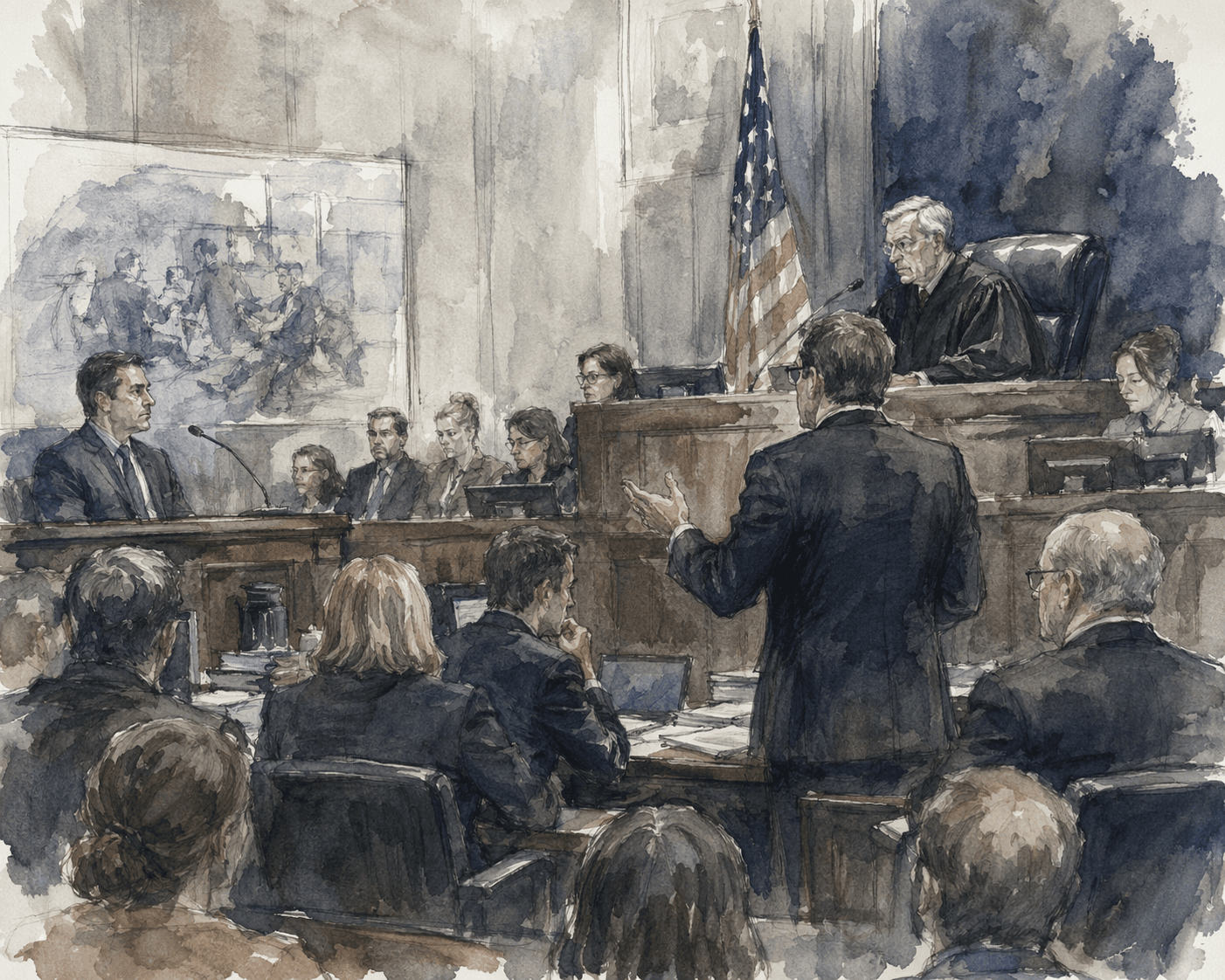
What it's about
The Court agreed with the lower court (affirmed), ruling that he had to show the conviction was not disqualifying; an unclear record did not meet that burden.
The case concerns how immigration courts determine whether a past state conviction blocks a person from seeking cancellation of removal.
Question presented
Whether a criminal conviction bars a noncitizen from applying for relief from removal when the record of conviction is merely ambiguous as to whether it corresponds to an offense listed in the Immigration and Nationality Act.
What the Court decided
Holding
Under the INA, certain nonpermanent residents seeking to cancel a lawful removal order bear the burden of showing they have not been convicted of a disqualifying offense. An alien has not carried that burden when the record shows he has been convicted under a statute listing multiple offenses, some of which are disqualifying, and the record is ambiguous as to which crime formed the basis of his conviction. 916 F. 3d 1128, affirmed.
- Result
- Affirmed
The vote
From the opinions
“This case, in my view, has little or nothing to do with burdens of proof.”
What's next
The Supreme Court has finished this case. The Eighth Circuit's ruling remains in place.
Why it matters
If some crimes in the state law would disqualify the person, uncertainty about which crime led to the conviction is not enough to establish eligibility.
Documents
Docket activity
New analysis added
AI analysis generated: Impact Analysis
AI analysis generated: Opinion Summary
New analysis added
AI analysis generated: Case Briefing
Show 6 moreShow fewer
AI analysis generated: Decision Record
Case data updated: summary, question_presented, generation_metadata
Case data updated: status, opinion_date
Opinion added: opinion
Brief added: Petition
Brief added: Questions Presented
More questions
- What did the Supreme Court do in Pereida v. Wilkinson?
- The Court upheld the Eighth Circuit's ruling. It held that Pereida did not meet his burden with an ambiguous record of conviction.
- How did an unclear conviction record affect immigration relief?
- It did not establish eligibility for cancellation of removal. The state law listed multiple crimes, and some were disqualifying offenses.
- Who joined the majority in Pereida v. Wilkinson?
- Justice Gorsuch wrote for Chief Justice Roberts and Justices Thomas, Alito, and Kavanaugh. Justice Barrett did not participate.
- What happens next in Pereida's case?
- The Supreme Court's work on this case is complete. The Eighth Circuit's decision remains in effect.
Sources
Primary materials plus reporting. Best-effort analysis: this explainer relies on a mix of primary materials and trusted secondary sources. Official filings and opinions remain authoritative.