Dunn v. Domineque Hakim Marcelle Ray
In brief
Alabama could not proceed with Ray’s execution under the policy blocked by the lower court’s order.
- Where it stands
- Decided
Decided · February 7, 2019
- What it’s about
- The Court denied Alabama’s request to lift a stay of Domineque Ray’s execution, leaving in place the lower court’s order that prevented the execution from going forward under the State’s policy.
- Who it affects
- The action kept the lower court’s order in place, preventing Ray’s execution under Alabama’s policy. It affects a Muslim inmate seeking the same spiritual comfort at execution that Christian inmates receive from chaplains.
Summary: written with AI from the case record.
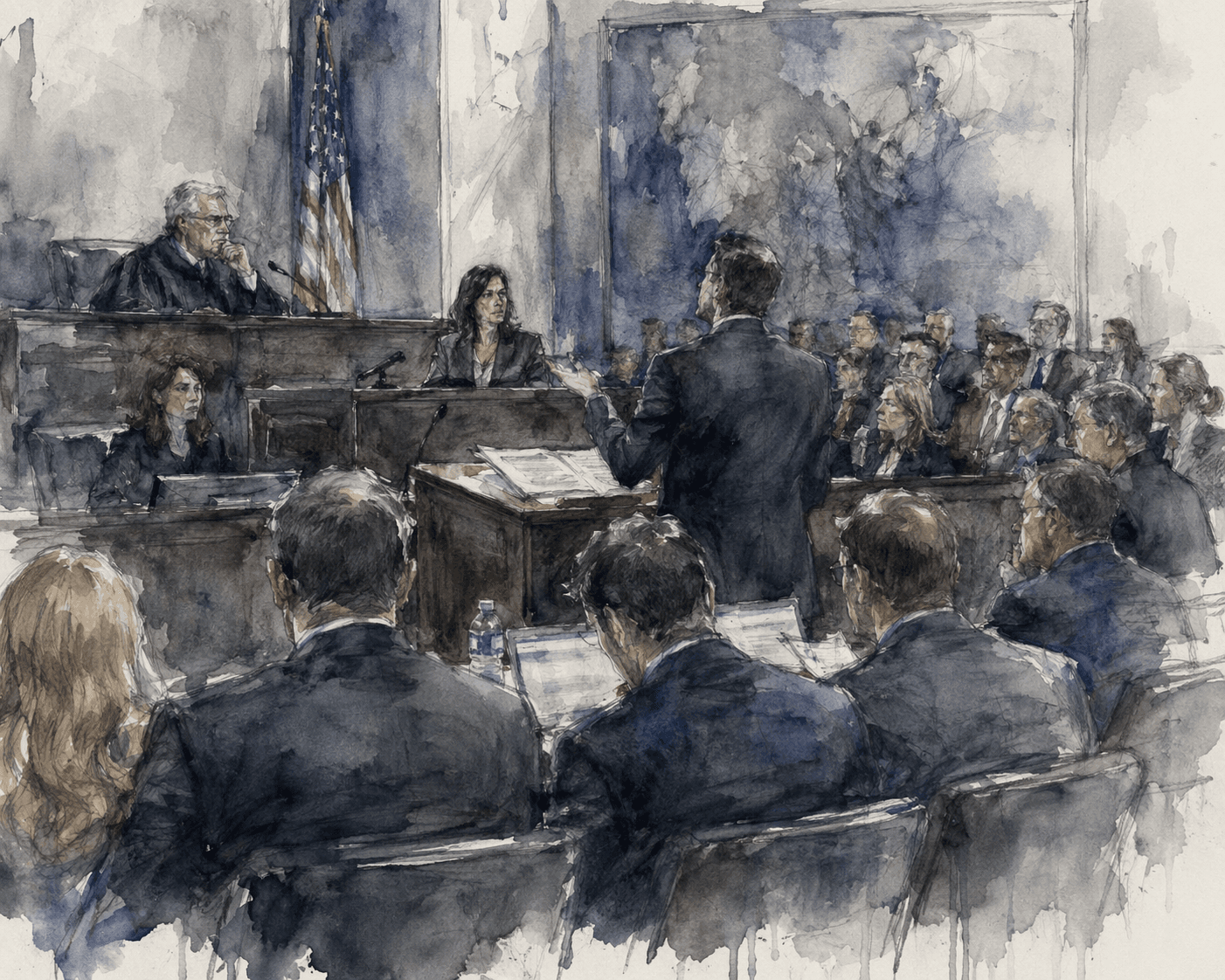
What it's about
The Court concluded that Alabama had not shown Ray waited too long to raise his claim, because he had no reason before January 23 to know that his imam would receive less access to the execution chamber than the Christian chaplain.
The dispute concerns whether prison execution policies treat religious advisers for Muslim and Christian inmates equally.
Question presented
Whether a State prison may prohibit an imam from accompanying a Muslim inmate into the death chamber during his execution, despite routinely allowing similarly situated Christian inmates the spiritual comfort of Christian chaplains?
What the Court decided
What's next
The Court has finished this docket action. The lower court’s order remained in place.
Documents
Opinions
Key filings
Docket activity
New analysis added
AI analysis generated: Case Briefing
Case data updated: summary, question_presented, generation_metadata
Opinion added: Opinion
Brief added: Reply
More questions
- What did the Supreme Court rule in Dunn v. Ray?
- The Court denied Alabama’s request to lift the stay of Ray’s execution. The lower court’s order blocking the execution under the challenged policy remained in place.
- Who was affected by the decision in Dunn v. Ray?
- Domineque Ray was directly affected because his execution could not proceed under the challenged policy. The case also concerned access for his Muslim imam.
- What happens next in Dunn v. Ray?
- The Supreme Court finished this docket action. The lower court’s order remained in effect.
Sources
Primary materials plus reporting. Best-effort analysis: this explainer relies on a mix of primary materials and trusted secondary sources. Official filings and opinions remain authoritative.