Confronting witnesses in court
Jeffrey Clyde Pitts v. Mississippi
In brief
The Court said a denial of face-to-face confrontation can be treated as a harmless error and returned Pitts's case to Mississippi for further consideration.
- Where it stands
- Case remanded
Remanded · November 24, 2025 · Opinion by Justice Curiam
- What it’s about
- The Supreme Court vacated the lower court's judgment and remanded the case for further consideration regarding whether the denial of face-to-face confrontation rights can be considered harmless error.
- Who it affects
- The decision affects defendants whose witnesses testify behind screens and child witnesses protected from trauma in court. For example, a conviction may not automatically be overturned if a confrontation error did not affect the trial's result.
Summary: written with AI from the case record.
What it's about
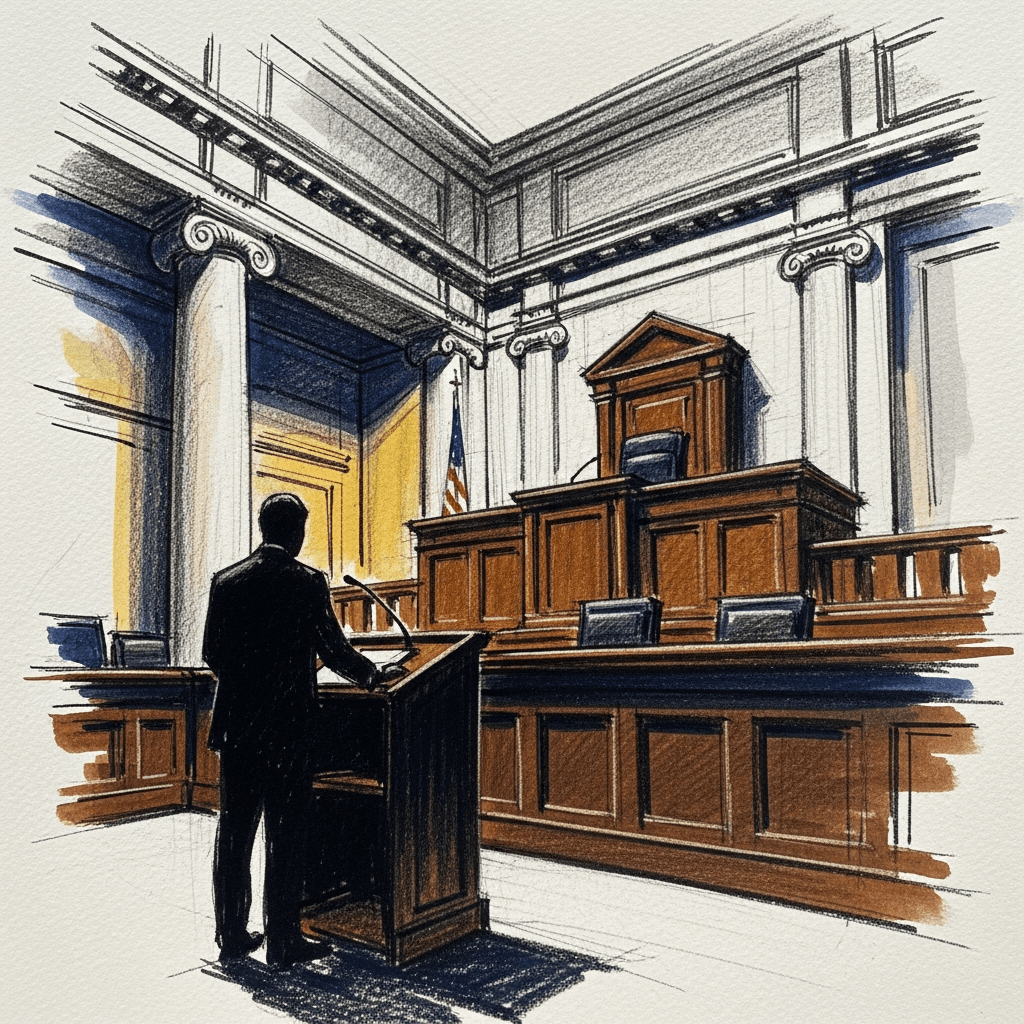
The case concerns how courts balance the Sixth Amendment right to confront witnesses with protections for child witnesses in abuse cases.
Question presented
Whether the denial of face-to-face confrontation rights can be considered harmless error.
What the Court decided
Result
Remanded
The vote
From the opinions
“The Confrontation Clause “guarantees the defendant a face-to-face meeting with witnesses appearing before the trier of fact.””
What's next
Mississippi courts must reconsider the case under the Supreme Court's direction. The Supreme Court has finished this docket action.
Docket activity
New analysis added
AI analysis generated: Case Briefing
New analysis added
Judgment and Mandate Issued.
Petition GRANTED. Judgment REVERSED and case REMANDED for further proceedings not inconsistent with the opinion of the Court. Opinion per curiam.
Show 4 moreShow fewer
Opinion added: opinion
Opinion added: Opinion of the Court - Per Curiam
Opinion added: Pitts
Brief added: Petition
More questions
- What did the Supreme Court rule in Pitts v. Mississippi?
- The Court vacated the Mississippi judgment and returned the case for further review. It said face-to-face confrontation errors can be examined for harmlessness.
- Who is affected by the Pitts v. Mississippi decision?
- Criminal defendants and child witnesses may be affected. Courts may use screens for child witnesses when constitutional requirements are met, then assess any error's effect.
- What happens next in Pitts v. Mississippi?
- Mississippi courts must reconsider Pitts's case. They must apply the Supreme Court's direction about harmless-error review.
Sources
Primary materials plus reporting. Best-effort analysis: this explainer relies on a mix of primary materials and trusted secondary sources. Official filings and opinions remain authoritative.