Department of Commerce v. New York
In brief
The Court said the Constitution permits asking about citizenship and the Secretary’s decision can be reviewed; it partly upheld and partly overturned the lower-court ruling and sent the case back to the lower court (remanded).
- Where it stands
- Decided
Decided 9-0 · June 27, 2019 · Opinion by Chief Justice Roberts
- What it’s about
- Commerce Secretary Wilbur Ross sought to add a citizenship question to the 2020 census, while New York and other states, cities, and counties argued that it could lower response rates and cause an undercount.
- Who it affects
- The Court rejected the idea that the Constitution itself forbids asking about citizenship and confirmed that the Secretary’s choice could be challenged under the APA. Sending the case back left further proceedings for the lower court and the parties.
Summary: written with AI from the case record.
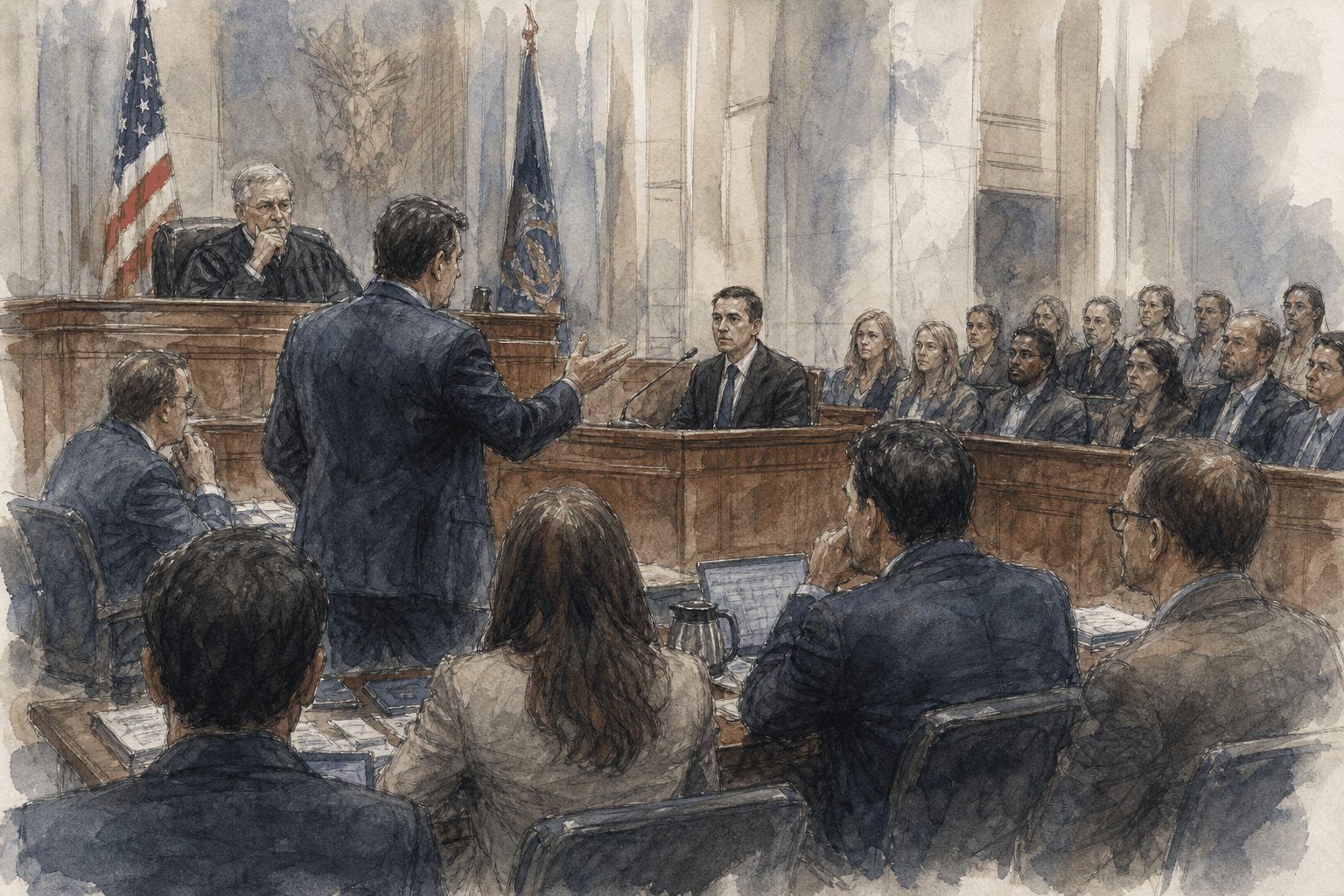
What it's about
The Supreme Court ruled that the Constitution permits asking about citizenship and that Ross’s decision could be reviewed under the Administrative Procedure Act, but it left some lower-court rulings in place, overturned others, and sent the case back for another look (remanded) because his stated reason did not match the evidence.
The case tested Congress’s broad power over the census and how courts review decisions by federal agencies.
Question presented
1. WHETHER THE SECRETARY OF COMMERCE’S DECISION TO ADD A CITIZENSHIP QUESTION TO THE DECENNIAL CENSUS VIOLATED THE ENUMERATION CLAUSE OF THE U.S. CONSTITUTION, ART. I, §2, CL. 3. 2. Whether the district court erred in enjoining the Secretary of Commerce from reinstating a question about citizenship to the 2020 decennial census on the ground that the Secretary's decision violated the Administrative Procedure Act (APA), 5 U.S.C. 701 et seq. 3. Whether, in an action seeking to set aside agency action under the APA, a district court may order discovery outside the administrative record to probe the mental processes of the agency decisionmaker-including by compelling the testimony of high-ranking Executive Branch officials-without a strong showing that the decisionmaker disbelieved the objective reasons in the administrative record, irreversibly prejudged the issue, or acted on a legally forbidden basis.
What the Court decided
Holding
1. At least some respondents have Article III standing. For a legal dispute to qualify as a genuine case or controversy, at least one plaintiff must “present an injury that is concrete, particularized, and actual or imminent; fairly traceable to the defendant’s challenged behavior; and likely to be redressed by a favorable ruling.” Davis v. Cite as: 588 U. S. ____ (2019) 3 Syllabus Federal Election Comm’n , 554 U. S. 724, 733. 2. The Enumeration Clause permits Congress, and by extension the Secretary, to inquire about citizenship on the census questionnaire. That conclusion follows from Congress’s broad authority over the census, as informed by long and consistent historical practice that “has been open, widespread, and unchallenged since the early days of the Republic.” NLRB v. Noel Canning , 573 U. S. 513, 572 (Scalia, J., concurring in judgment). 3. The Secretary’s decision is reviewable under the Administrative Procedure Act. The APA instructs reviewing courts to set aside agency action that is “arbitrary, capricious, an abuse of discretion, or otherwise not in accordance with law,” 5 U. S. C. §706(2)(A), but it makes review unavailable “to the extent that” the agency action is “committed to agency discretion by law,” §701(a)(2). The Census Act confers broad authority on the Secretary, but it does not leave his discretion unbounded. 4. The Secretary’s decision was supported by the evidence before him. He examined the Bureau’s analysis of various ways to collect improved citizenship data and explained why he thought the best course was to both reinstate a citizenship question and use citizen- ship data from administrative records to fill in the gaps. 351 F. Supp. 3d 502, affirmed in part, reversed in part, and remanded.
The vote
From the opinions
“For the first time ever, the Court invalidates an agency action solely because it questions the sincerity of the agency’s otherwise adequate rationale.”
What's next
The lower court next handles the case the Supreme Court sent back to it (remanded), applying the Court’s rulings on the Constitution and APA. The Commerce Department, New York, and the other challengers continue the dispute there.
Documents
Docket activity
New analysis added
AI analysis generated: Case Briefing
New analysis added
AI analysis generated: Impact Analysis
AI analysis generated: Opinion Summary
Show 6 moreShow fewer
Case data updated: summary, question_presented, generation_metadata
New analysis added
AI analysis generated: Decision Record
Opinion added: opinion
Brief added: Petition
Brief added: Questions Presented
More questions
- What was the census dispute in Department of Commerce v. New York?
- Ross sought to add a citizenship question to the 2020 census. New York and other governments argued it could lower response rates and cause an undercount.
- What action did the Supreme Court take in Department of Commerce v. New York?
- The Court partly upheld and partly overturned the lower-court ruling, then sent the case back to the lower court (remanded).
- Was the citizenship question allowed by the Constitution?
- Yes. The Court said the Constitution’s census-counting clause (Enumeration Clause) permits Congress and the Commerce Secretary to ask about citizenship.
- Did the Administrative Procedure Act allow court review?
- Yes. The Court said the Administrative Procedure Act (APA) permits review; the Secretary’s broad authority was not unlimited.
- What happens next after the case was sent back?
- The lower court handles the case the Supreme Court sent back to it (remanded), applying the Court’s rulings. The Commerce Department and challengers continue proceedings there.
Sources
Primary materials plus reporting. Best-effort analysis: this explainer relies on a mix of primary materials and trusted secondary sources. Official filings and opinions remain authoritative.