Tennessee Wine and Spirits Retailers Assn. v. Thomas
In brief
The Supreme Court rejected Tennessee’s two-year residency requirement for retail liquor-store license applicants because the Commerce Clause does not allow it, and the Twenty-first Amendment does not save it.
- Where it stands
- Decided
Decided 7-2 · June 26, 2019 · Opinion by Justice Alito
- What it’s about
- This case was about a Tennessee law that let people or businesses get retail liquor licenses only if they had lived in the state for a set number of years.
- Who it affects
- The decision rejects Tennessee’s use of this residency rule to favor in-state applicants for retail liquor licenses. It says the Twenty-first Amendment does not protect this requirement from the Commerce Clause.
Summary: written with AI from the case record.
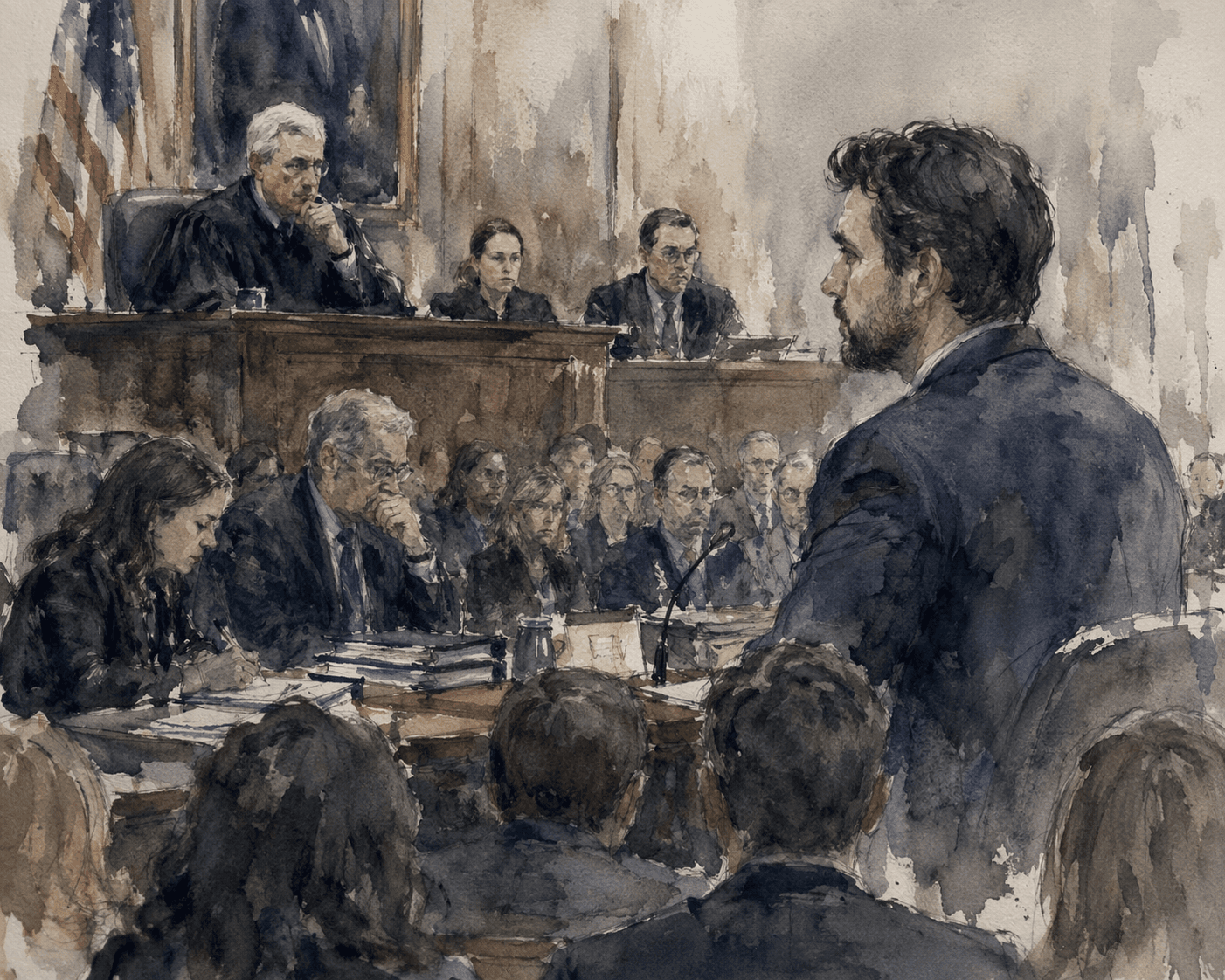
What it's about
The Supreme Court considered whether those residency rules were unconstitutional discrimination against out-of-state businesses or were allowed under the Twenty-first Amendment.
The case tested whether states’ special power over alcohol lets them favor residents over businesses from other states.
Question presented
Whether the Twenty-first Amendment empowers States, consistent with the dormant Commerce Clause, to regulate liquor sales by granting retail or wholesale licenses only to individuals or entities that have resided in-state for a specified time.
What the Court decided
Holding
Tennessee’s 2-year durational-residency requirement applicable to retail liquor store license applicants violates the Commerce Clause and is not saved by the Twenty-first Amendment. 883 F. 3d 608, affirmed.
- Result
- Affirmed
The vote
From the opinions
“Today and for the first time, the Court claims to have discovered a duty and power to strike down laws like these as unconstitutional. Respectfully, I do not see it.”
What's next
The Supreme Court has finished its review, and the Sixth Circuit’s ruling remains in effect. Tennessee’s two-year residency requirement cannot be enforced.
Documents
Docket activity
New analysis added
AI analysis generated: Case Briefing
AI analysis generated: Decision Record
New analysis added
Opinion added: opinion
Show 3 moreShow fewer
Brief added: Petition
Court Order added: Lower Court Orders/Opinions
Brief added: Questions Presented
More questions
- What was Tennessee Wine and Spirits v. Thomas about?
- It concerned Tennessee’s two-year residency requirement for retail liquor-store license applicants. The issue was whether the Twenty-first Amendment allowed that rule despite the Commerce Clause.
- What did the Supreme Court decide about Tennessee’s residency rule?
- The Court upheld the Sixth Circuit’s ruling and decided that the rule violates the Commerce Clause. The Twenty-first Amendment does not protect it.
- How did the justices line up in Tennessee Wine and Spirits?
- Justice Alito wrote the Court’s opinion, and Chief Justice Roberts and Justices Ginsburg, Breyer, Sotomayor, Kagan, and Kavanaugh signed on to it. Justice Gorsuch wrote a dissent (a written disagreement), and Justice Thomas signed on to it.
- What happens next after the decision?
- The Supreme Court’s review is finished. The Sixth Circuit’s ruling remains in effect, so Tennessee’s two-year residency requirement cannot be enforced.
Sources
Primary materials plus reporting. Best-effort analysis: this explainer relies on a mix of primary materials and trusted secondary sources. Official filings and opinions remain authoritative.