Sparks v. Davis
In brief
The Court left the Fifth Circuit's result in place without deciding Sparks' legal claims.
- Where it stands
- Decided
Decided · September 25, 2019
- What it’s about
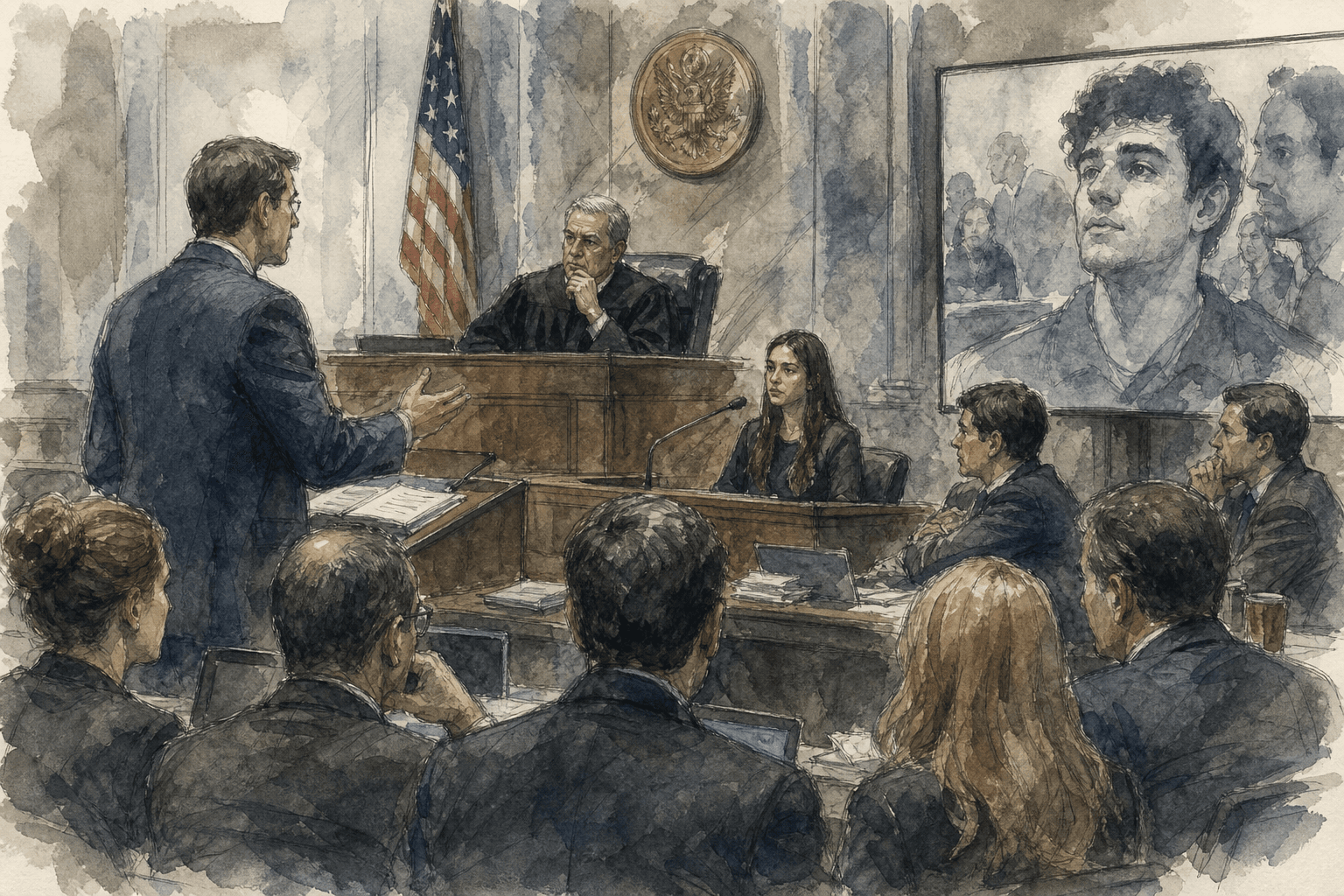
- Robert Sparks sought Supreme Court review of his capital case, arguing that false testimony by a prosecution expert and a bailiff’s conduct undermined the fairness of his sentencing and jury.
- Who it affects
- The outcome left Sparks without Supreme Court relief on claims involving an expert's allegedly false testimony and a bailiff's conduct. It also meant Texas prison official Lorie Davis prevailed in this Supreme Court docket action.
Summary: written with AI from the case record.
What it's about
The Court denied review, leaving the Fifth Circuit’s ruling in place and resulting in a win for Texas prison official Lorie Davis.
The petition raised questions about fairness in capital sentencing and whether outside influences may compromise an impartial jury.
Question presented
1. Does cross-examination of a prosecution’s expert cure all harm from that expert’s repeated false testimony during a capital punishment proceeding, and is the petitioner or prosecution at fault for failing to correct the expert’s false testimony? 2. Did the Circuit Court Err by failing to consider whether Bailiff Moorehead’s actions created an unacceptable risk of impermissible factors coming into play at Sparks’ trial, and does Brecht’s “substantial and injurious effect or influence” standard of harm apply to impartial jury claims?
What the Court decided
What's next
The Supreme Court has finished its action in this case. The Fifth Circuit's decision remains in effect.
Documents
Docket activity
New analysis added
AI analysis generated: Case Briefing
Case data updated: summary, question_presented, generation_metadata
Opinion added: Opinion
Brief added: Petition
Show 1 moreShow fewer
Court Order added: Lower Court Orders/Opinions
More questions
- What did the Supreme Court do in Sparks v. Davis?
- The Court declined to review the case. It did not decide the claims about expert testimony or the bailiff's conduct.
- Who won Sparks v. Davis?
- Texas prison official Lorie Davis prevailed because the Fifth Circuit's result remained in place. The Supreme Court did not decide the merits.
- What happens next in Sparks v. Davis?
- The Supreme Court's docket action is complete. The Fifth Circuit's decision continues to govern Sparks' case.
Sources
Primary materials plus reporting. Best-effort analysis: this explainer relies on a mix of primary materials and trusted secondary sources. Official filings and opinions remain authoritative.