Holguin-Hernandez v. United States
In brief
The Supreme Court ruled that asking for a specific shorter sentence was enough, wiped out the Fifth Circuit's judgment (vacated), and sent the case back (remanded).
- Where it stands
- Decided
Decided 9-0 · February 26, 2020 · Opinion by Justice Breyer
- What it’s about
- This case asked whether a criminal defendant preserves a challenge to an allegedly too-long sentence simply by arguing for a shorter sentence in the trial court, or whether he must also formally object after the sentence is announced.
- Who it affects
- A defendant who asks for a specific shorter sentence can preserve a challenge to its length without objecting again after sentencing. Holguin-Hernandez's case returned to the Fifth Circuit, but the record does not state the final result.
Summary: written with AI from the case record.
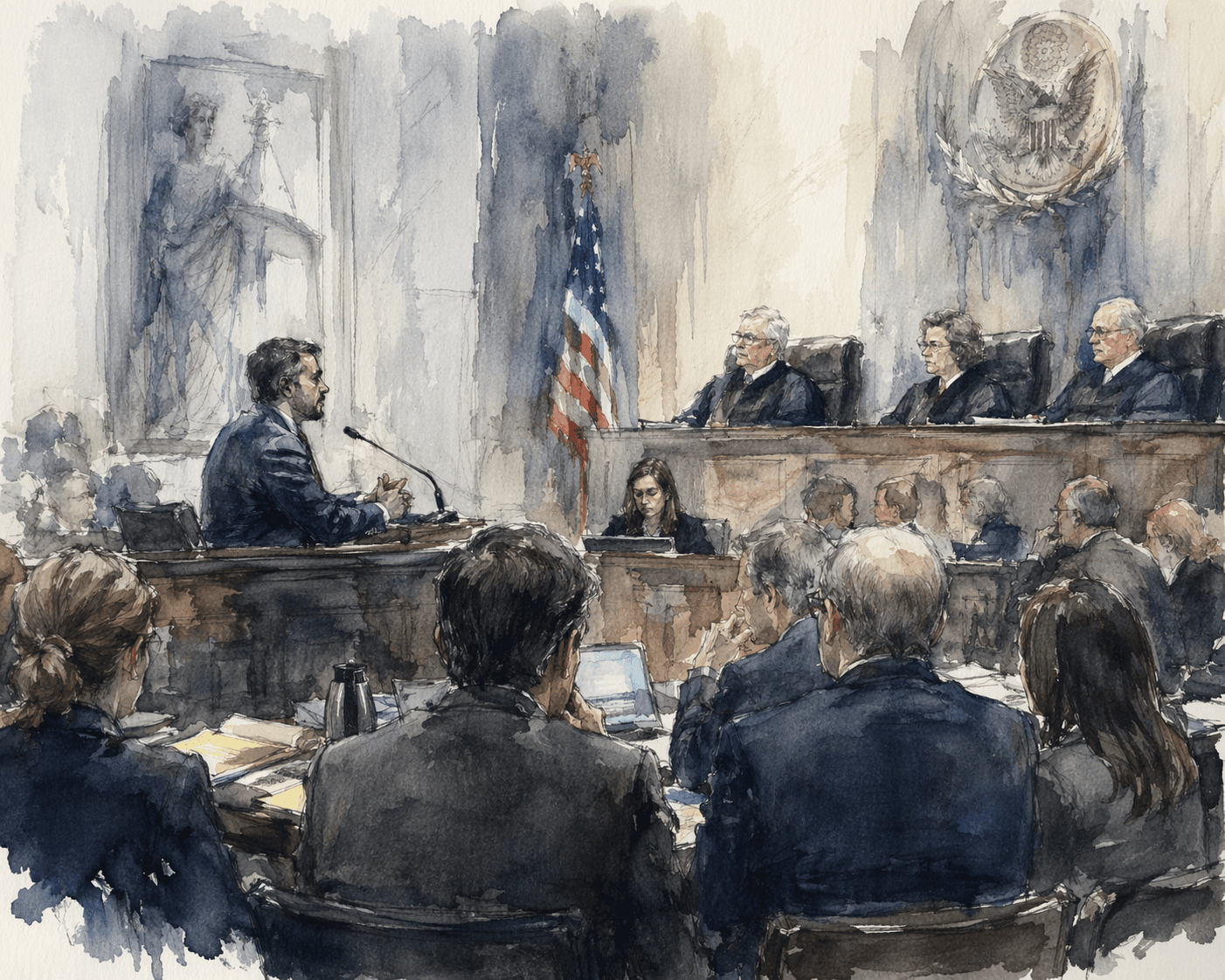
What it's about
The Supreme Court held that arguing for a shorter sentence is enough to preserve appellate review of the sentence’s substantive reasonableness.
The case clarified how federal defendants preserve claims that their sentences are too long for appeal.
Question presented
Whether a formal objection after pronouncement of sentence is necessary to invoke appellate reasonableness review of the length of a defendant's sentence.
What the Court decided
Holding
Petitioner’s district-court argument for a specific sentence (nothing or less than 12 months) preserved his claim on appeal that the sentence imposed was unreasonably long. A party who informs the court of the “action” he “wishes the court to take,” Rule 51(b), ordinarily brings to the court’s attention his objection to a contrary decision. That is certainly true where, as here, the defendant advocates for a sentence shorter than the one actually imposed. 403, vacated and remanded.
- Result
- Vacated
The vote
What's next
The case returns to the Fifth Circuit for further proceedings. The record does not state the final result.
Documents
Docket activity
New analysis added
AI analysis generated: Case Briefing
AI analysis generated: Decision Record
New analysis added
Opinion added: opinion
Show 2 moreShow fewer
Brief added: Petition
Brief added: Questions Presented
More questions
- What issue did Holguin-Hernandez raise?
- He argued that asking for no prison time or less than 12 months preserved a later challenge that his sentence was too long.
- Did the Supreme Court require a second formal objection?
- No. The Court decided that arguing for a specific shorter sentence preserved review of whether the sentence was unreasonably long.
- What did the Supreme Court do to the Fifth Circuit's judgment?
- It wiped out the judgment (vacated) and sent the case back to the Fifth Circuit (remanded) for further proceedings.
- What happens next in Holguin-Hernandez?
- The case returns to the Fifth Circuit for further proceedings; the record does not state the final result.
Sources
Primary materials plus reporting. Best-effort analysis: this explainer relies on a mix of primary materials and trusted secondary sources. Official filings and opinions remain authoritative.