Patterson v. Walgreen
In brief
The Supreme Court refused to hear Patterson's case, so it did not decide the Title VII dispute and left the Eleventh Circuit's ruling in place.
- Where it stands
- Decided
Decided · February 24, 2020
- What it’s about
- Darrell Patterson asked the Court to review an Eleventh Circuit ruling involving Title VII religious accommodations after he alleged that Walgreen Co. did not accommodate his Sabbath observance.
- Who it affects
- The Eleventh Circuit's ruling remains in place.
Summary: written with AI from the case record.
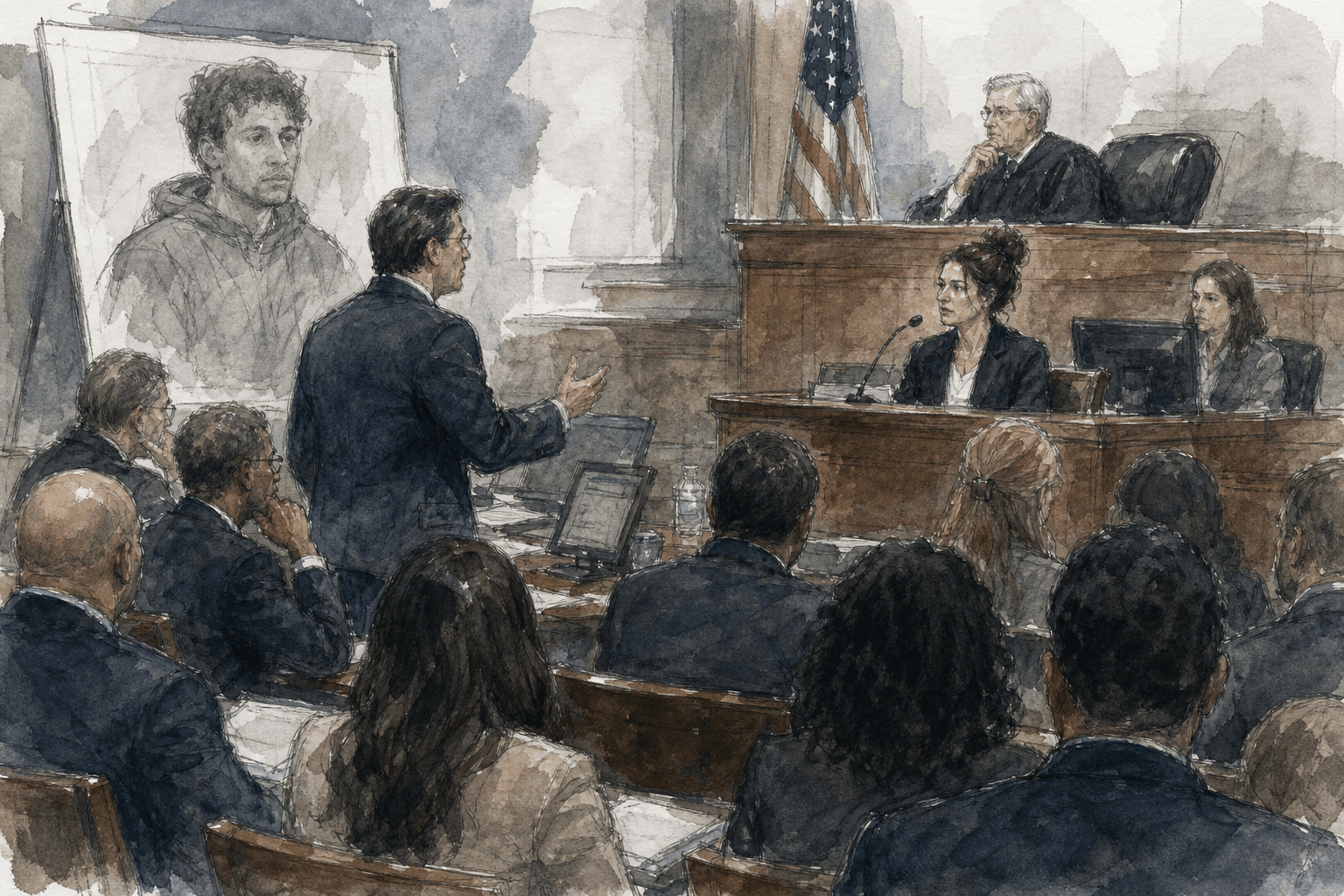
What it's about
The Supreme Court denied the petition for review, leaving the lower court’s ruling in favor of Walgreen Co. in place without deciding the Title VII questions on the merits.
This case illustrates that the Supreme Court can leave an appeals-court ruling in place without answering broader questions about religious accommodations at work.
Question presented
1. Whether Title VII may require an employer to provide a partial accommodation for an employee’s religious practices even if a full accommodation would impose an undue hardship? 2. Whether an employer can show that an accommodation would impose an undue hardship based on speculative harm?
What the Court decided
Holding
Petition DENIED. Justice Alito, with whom Justice Thomas and Justice Gorsuch join, concurring in the denial of certiorari. (Detached Opinion )
What's next
The Supreme Court has finished this docket action. The lower-court ruling remains in place, and the record identifies no further Supreme Court step in this case.
Why it matters
The Supreme Court did not decide whether Title VII may require partial religious accommodation when full accommodation creates an undue hardship (a burden too great for an employer), or whether speculative harm can show that burden.
Documents
Docket activity
New analysis added
AI analysis generated: Case Briefing
AI analysis generated: Decision Record
New analysis added
Case data updated: summary, question_presented, generation_metadata
Show 3 moreShow fewer
Opinion added: Opinion
Brief added: Petition
Court Order added: Lower Court Orders/Opinions
More questions
- What did the Supreme Court do in Patterson v. Walgreen?
- The Court declined review and did not decide the Title VII questions. The Eleventh Circuit's ruling remained in place.
- What Title VII questions did Patterson ask the Court to review?
- He asked whether Title VII may require partial accommodation despite a full accommodation's undue hardship (a burden too great for the employer). He also asked whether speculative harm could show that burden, but the Court did not decide either question.
- Did the Supreme Court endorse Walgreen's position?
- No. The Court's refusal to hear the case did not endorse Walgreen's arguments or decide the Title VII questions.
- What happens next in Patterson v. Walgreen?
- The Supreme Court's action on this petition is complete. The Eleventh Circuit ruling remains in place, with no Supreme Court decision on the Title VII questions.
Sources
Primary materials plus reporting. Best-effort analysis: this explainer relies on a mix of primary materials and trusted secondary sources. Official filings and opinions remain authoritative.