Kisor v. Wilkie
In brief
The Supreme Court wiped out the Federal Circuit’s ruling and sent Kisor’s case back to that court (vacated and remanded); the benefits dispute remains unresolved.
- Where it stands
- Decided
Decided 9-0 · June 26, 2019 · Opinion by Justice Kagan
- What it’s about
- Marine veteran James Kisor sought retroactive disability benefits for service-related PTSD after the Department of Veterans Affairs refused to pay them under its reading of a benefits regulation.
- Who it affects
- The Federal Circuit’s earlier ruling no longer stands: the Supreme Court wiped it out (vacated it) and sent the case back to that court (remanded it). Kisor’s request for an earlier benefits start date remains unresolved.
Summary: written with AI from the case record.
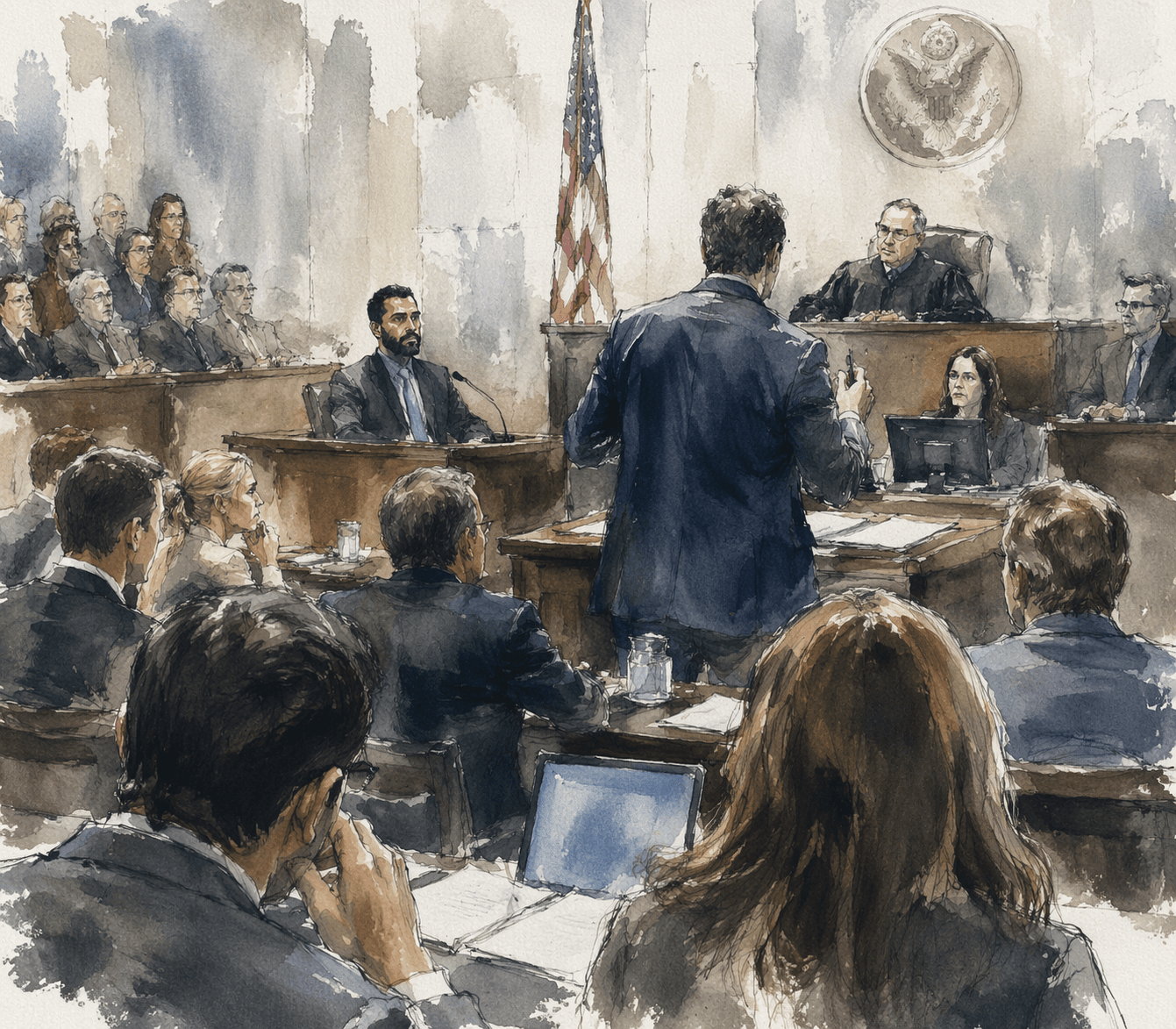
What it's about
The Supreme Court left Auer and Seminole Rock in place, but wiped out the Federal Circuit’s ruling and sent the case back (vacated and remanded) to reconsider the regulation’s meaning.
It fits a broader debate over the Auer/Seminole Rock rule, which lets courts give agencies extra weight when they interpret their own unclear regulations.
Question presented
1. Whether the Court should overrule Auer and Seminole Rock. 2. Alternatively, whether Auer deference should yield to a substantive canon of construction.
What the Court decided
Holding
The judgment is vacated and remanded. 869 F. 3d 1360, vacated and remanded.
- Result
- Vacated
The vote
- Joined the judgment
- Concurred in a separate opinion
- Wrote an opinion
- Majority · 5joined the Court's opinion
What's next
The Federal Circuit will handle the next proceedings after the Supreme Court sent the case back (remanded it). The final answer about Kisor’s earlier benefits start date remains for those proceedings.
Documents
Docket activity
New analysis added
AI analysis generated: Impact Analysis
AI analysis generated: Opinion Summary
Case data updated: summary, question_presented, generation_metadata
New analysis added
Show 7 moreShow fewer
AI analysis generated: Case Briefing
AI analysis generated: Decision Record
New analysis added
Opinion added: opinion
Brief added: Petition
Court Order added: Lower Court Orders/Opinions
Brief added: Questions Presented
More questions
- What was Kisor v. Wilkie about?
- Vietnam veteran James Kisor sought an earlier disability-benefit start date after lower courts gave the VA’s reading extra weight. It also asked whether courts should keep using the Auer/Seminole Rock rule or use another rule for unclear regulations.
- What did the Supreme Court do in Kisor?
- It wiped out the Federal Circuit’s ruling and sent the case back to that court (vacated and remanded). The action did not end the benefits dispute.
- Did the Court decide whether Kisor gets earlier benefits?
- No final benefits result was stated. The case went back to the Federal Circuit for further proceedings after the Supreme Court wiped out its ruling (vacated it).
- What happens next after Kisor v. Wilkie?
- The Federal Circuit will continue the case after the Supreme Court sent it back (remanded it). Kisor’s request for an earlier benefits start date remains unresolved.
Sources
Primary materials plus reporting. Best-effort analysis: this explainer relies on a mix of primary materials and trusted secondary sources. Official filings and opinions remain authoritative.