Nasrallah v. Barr
In brief
The Supreme Court opened the door to factual review of Nasrallah’s CAT claim but did not decide whether he will receive protection.
- Where it stands
- Decided
Decided 7-2 · June 1, 2020 · Opinion by Justice Kavanaugh
- What it’s about
- This case asked whether federal appeals courts may review the facts behind an immigration agency’s denial of protection under the Convention Against Torture for a noncitizen facing removal after a criminal conviction.
- Who it affects
- The ruling lets federal appeals courts review an agency’s factual findings in CAT cases despite the immigration-law limits at issue. It did not itself grant Nasrallah protection or decide whether he faces torture in Lebanon.
Summary: written with AI from the case record.
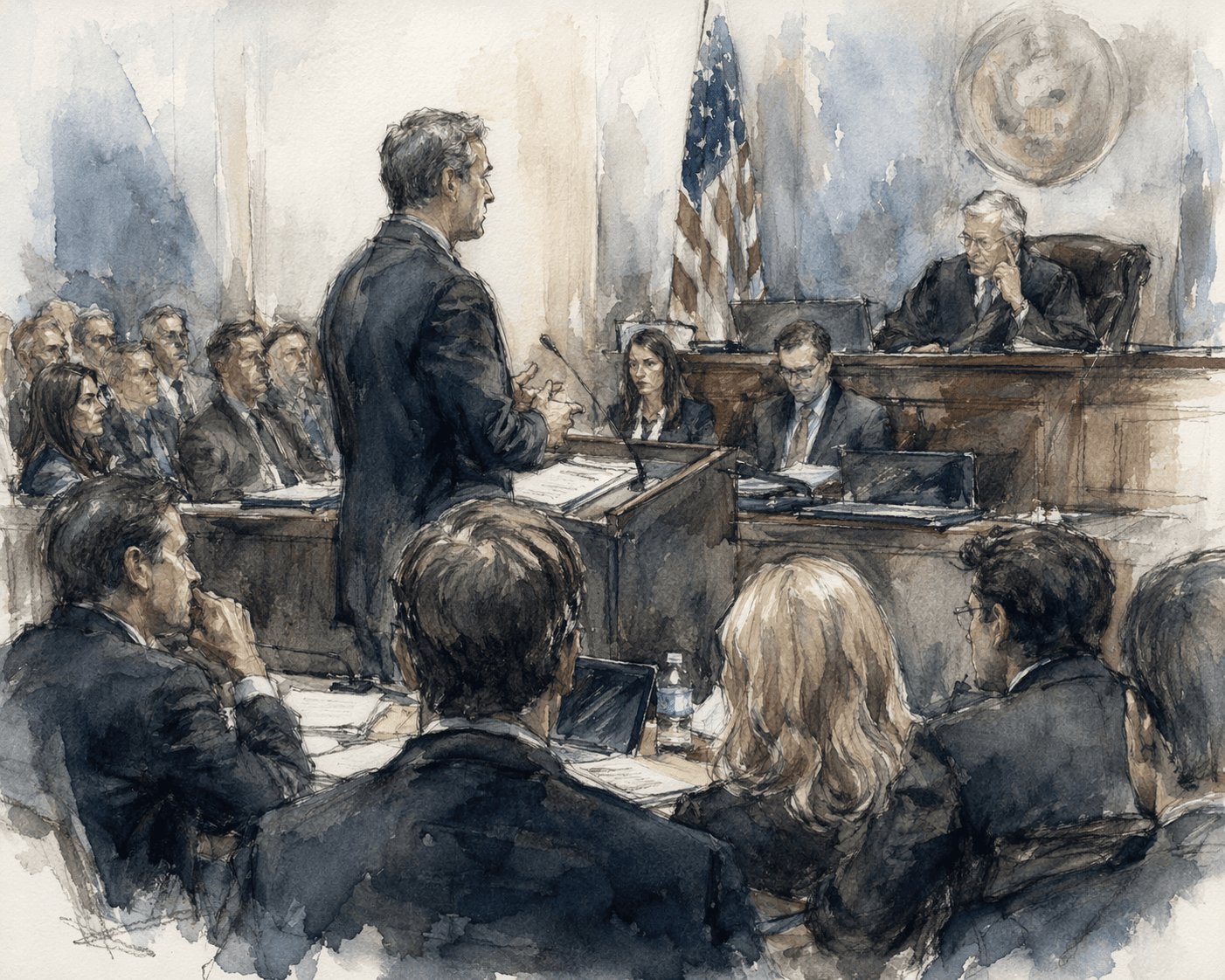
What it's about
Nasrallah argued that, even if he was removable, the courts could still review whether the agency wrongly rejected his claim that he would likely be tortured if sent to Lebanon.
The case drew a line between limits on reviewing removal orders and court review of factual claims seeking protection from torture.
Question presented
Whether, notwithstanding Section 1252(a)(2)(C), the courts of appeals possess jurisdiction to review factual findings underlying denials of withholding (and deferral) of removal relief.
What the Court decided
Holding
Sections 1252(a)(2)(C) and (D) do not preclude judicial review of a noncitizen’s factual challenges to a CAT order. 638, reversed.
- Result
- Reversed
The vote
From the opinions
“The majority holds that the federal courts of appeals have jurisdiction to review factual challenges to orders resolving claims brought under the Convention Against Torture and Other Cruel, Inhuman or Degrading Treatment or Punishment.”
What's next
Nasrallah’s factual challenge can now be reviewed under the Supreme Court’s ruling. The Court did not decide whether the facts qualify him for protection under CAT.
Documents
Docket activity
New analysis added
AI analysis generated: Case Briefing
AI analysis generated: Decision Record
New analysis added
Opinion added: opinion
Show 2 moreShow fewer
Brief added: Petition
Brief added: Questions Presented
More questions
- What was Nasrallah v. Barr about?
- It asked whether appeals courts may review the facts behind an agency’s denial of Convention Against Torture protection after a criminal conviction.
- What did the Supreme Court decide?
- It overturned the Eleventh Circuit’s ruling and said the relevant law does not block review of factual challenges to a CAT order.
- What remains unresolved for Nasrallah?
- The Court did not decide whether he would face torture in Lebanon or whether he ultimately qualifies for CAT protection.
- What happens next in the case?
- Nasrallah’s factual challenge can be reviewed under the Supreme Court’s ruling, but his ultimate protection claim remains unresolved.
Sources
Primary materials plus reporting. Best-effort analysis: this explainer relies on a mix of primary materials and trusted secondary sources. Official filings and opinions remain authoritative.