Lipschultz v. Charter Advanced Services (MN)
In brief
The Supreme Court refused to hear Lipschultz v. Charter, leaving the Eighth Circuit's ruling unchanged without deciding the underlying VoIP questions.
- Where it stands
- Decided
Decided · October 21, 2019
- What it’s about
- The Supreme Court denied Minnesota utility commissioners’ petition for review, leaving the Eighth Circuit’s ruling in favor of Charter Advanced Services in place.
- Who it affects
- The Eighth Circuit's ruling for Charter remains unchanged in this case. The Supreme Court's order did not endorse that reasoning or decide whether federal policy blocks state regulation or what kind of service VoIP is.
Summary: written with AI from the case record.
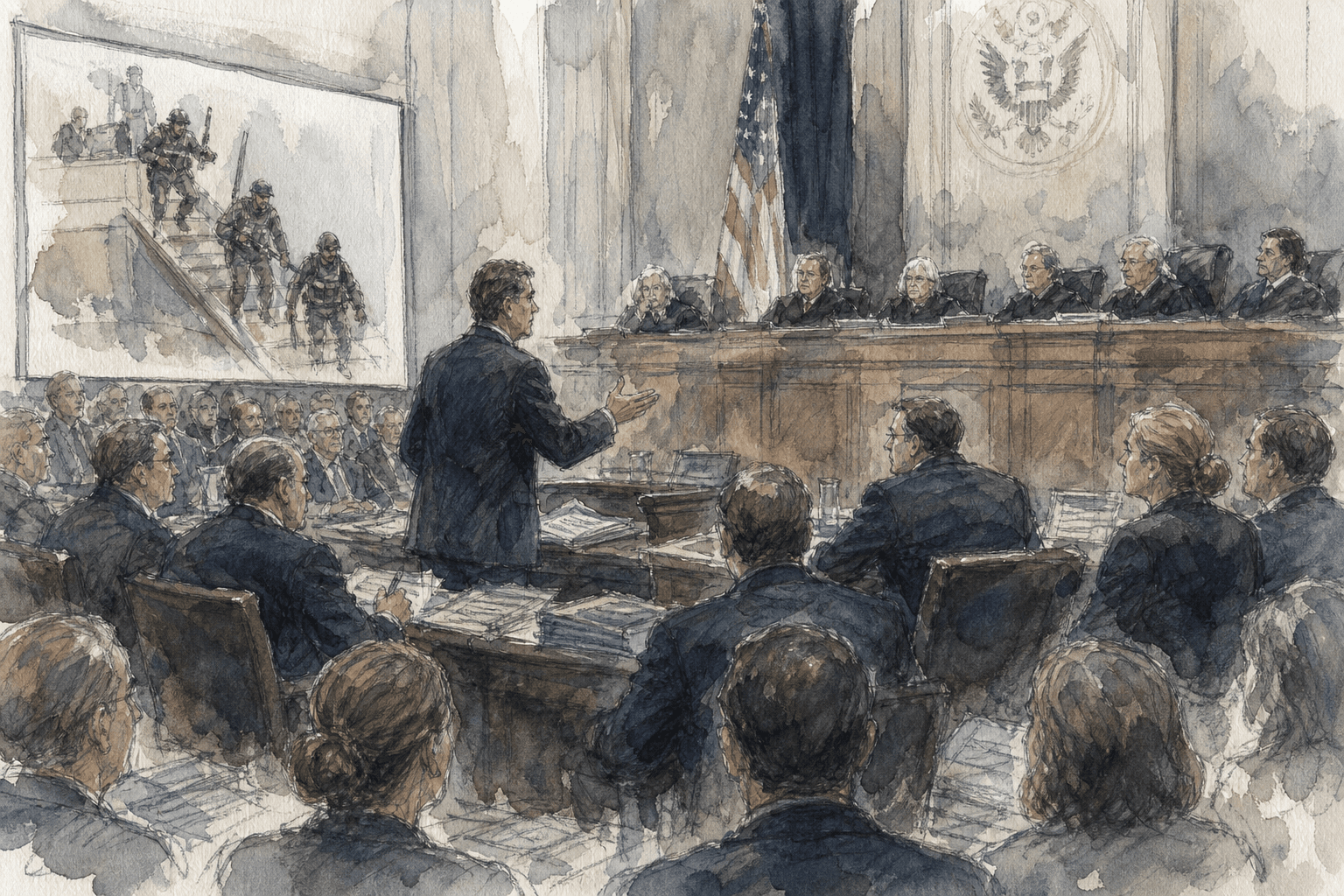
What it's about
The lower court had concluded that Charter’s Voice over Internet Protocol service was an information service and that the FCC’s policy against regulating such services preempted Minnesota regulation.
The dispute reflects a broader question about how federal policy for internet-based phone services interacts with state regulation.
Question presented
1. Whether FCC policy preempts state regulation of Voice over Internet Protocol (VoIP) service? 2. Whether VoIP service is a telecommunications or an information service under the appropriate functional test for classification determinations from Brand X?
What the Court decided
Holding
Petition DENIED. Justice Thomas, with whom Justice Gorsuch joins, concurring in the denial of certiorari. The Chief Justice took no part in the consideration or decision of this petition. (Detached Opinion )
What's next
The Eighth Circuit's ruling remains in place in this case. The Supreme Court's action on this petition is finished.
Documents
Docket activity
New analysis added
AI analysis generated: Case Briefing
AI analysis generated: Decision Record
New analysis added
Case data updated: summary, question_presented, generation_metadata
Show 3 moreShow fewer
Opinion added: Opinion
Brief added: Petition
Court Order added: Lower Court Orders/Opinions
More questions
- What did the Supreme Court do in Lipschultz v. Charter?
- It declined review and did not decide whether FCC policy blocked Minnesota from regulating Charter's Voice over Internet Protocol service.
- Did the Court decide how Charter's VoIP service should be classified?
- No. The Court refused to hear the petition and did not decide whether the service was a telecommunications service or an information service.
- What ruling remains in place after the denial?
- The Eighth Circuit's ruling for Charter remains unchanged in this case. The Supreme Court's order did not endorse that ruling's reasoning.
- What happens next in Lipschultz v. Charter?
- The Supreme Court's action on the petition is finished. The case remains subject to the Eighth Circuit's ruling.
Sources
Primary materials plus reporting. Best-effort analysis: this explainer relies on a mix of primary materials and trusted secondary sources. Official filings and opinions remain authoritative.