Espinoza v. Montana Dept. of Revenue
In brief
The Supreme Court overturned the Montana Supreme Court’s judgment and sent the case back, saying the state’s application of its no-aid rule violated the federal Free Exercise Clause.
- Where it stands
- Decided
Decided 5-4 · June 30, 2020 · Opinion by Justice Thomas
- What it’s about
- This case was about Montana’s tax-credit scholarship program for private school tuition and the state’s decision to bar families from using those scholarships at religious schools.
- Who it affects
- The ruling says Montana could not use its no-aid rule in this way to exclude religious schools and families seeking to send children there. The case returns to the Montana Supreme Court, and the scholarship program’s final form remains unresolved.
Summary: written with AI from the case record.
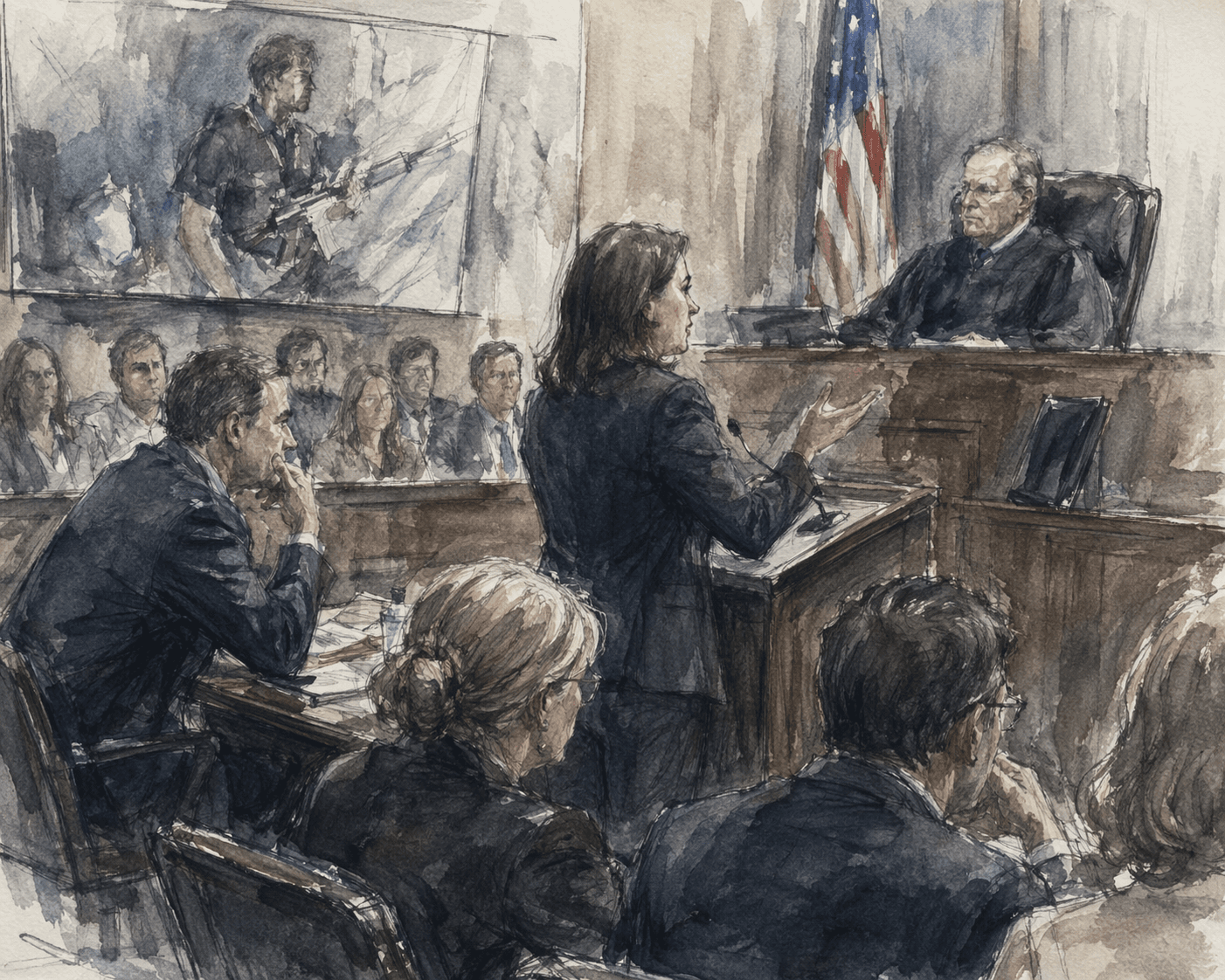
What it's about
The parents argued that excluding religious schools, and then striking down the whole program because religious schools might benefit, unlawfully discriminated against religion.
The case sits at the intersection of religious freedom and government aid for private religious schools.
Question presented
Does it violate the Religion Clauses or Equal Protection Clause of the United States Constitution to invalidate a generally available and religiously neutral student-aid program simply because the program affords students the choice of attending religious schools?
What the Court decided
Holding
The application of the no-aid provision discriminated against religious schools and the families whose children attend or hope to attend them in violation of the Free Exercise Clause of the Federal Constitution. 393 Mont. 446, 435 P. 3d 603, reversed and remanded.
- Result
- Reversed
The vote
- Joined the judgment
- Dissented
- Wrote an opinion
- Majority · 5joined the Court's opinion
From the opinions
“Because the state court’s decision does not so discriminate, I would reject petitioners’ free exercise claim.”
What's next
The case goes back to the Montana Supreme Court for further proceedings. How Montana’s scholarship program will operate after those proceedings remains unresolved.
Documents
Docket activity
New analysis added
AI analysis generated: Case Briefing
AI analysis generated: Decision Record
New analysis added
Opinion added: opinion
Show 2 moreShow fewer
Brief added: Petition
Brief added: Questions Presented
More questions
- What was Espinoza v. Montana about?
- Parents challenged Montana’s decision to exclude religious schools from a tax-credit scholarship program for private-school tuition.
- What did the Supreme Court decide?
- It decided that applying Montana’s no-aid rule discriminated against religious schools and families seeking to send children to them under the Free Exercise Clause. It overturned the Montana Supreme Court’s judgment.
- Who agreed and disagreed in Espinoza?
- Chief Justice Roberts wrote the Court’s opinion, signed by Justices Thomas, Alito, Gorsuch, and Kavanaugh. Justices Ginsburg, Breyer, and Sotomayor disagreed; Justice Kagan signed Ginsburg’s opinion and part of Breyer’s.
- What happens next in the case?
- The case returns to the Montana Supreme Court for further proceedings. The final form of the scholarship program remains unresolved.
Sources
Primary materials plus reporting. Best-effort analysis: this explainer relies on a mix of primary materials and trusted secondary sources. Official filings and opinions remain authoritative.