Intel Corp. Investment Policy Comm. v. Sulyma
In brief
The Supreme Court left the Ninth Circuit's ruling in place: the three-year deadline depends on actual awareness, not merely receiving or having access to disclosures.
- Where it stands
- Decided
Decided 9-0 · February 26, 2020 · Opinion by Justice Alito
- What it’s about
- This case asked when the three-year deadline for bringing an ERISA fiduciary-breach claim begins to run.
- Who it affects
- A disclosure alone does not automatically start the three-year clock when the worker never read it or cannot remember reading it. The deadline turns on whether the worker actually became aware of the relevant information.
Summary: written with AI from the case record.
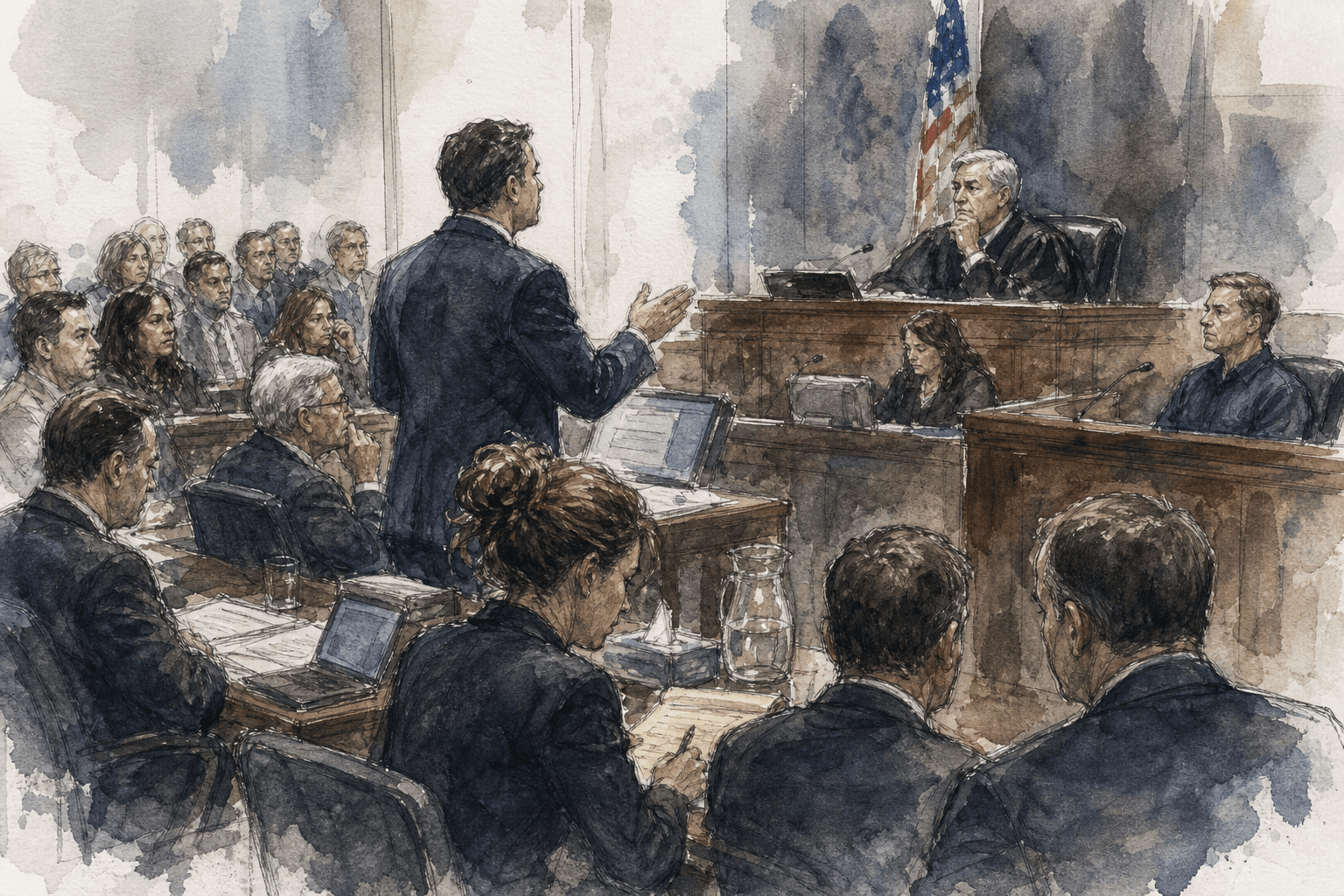
What it's about
The Court held that a plaintiff does not have the required "actual knowledge" just because plan disclosures were made available to him if he did not read them or cannot remember reading them.
The case shows how ERISA connects retirement-plan disclosures with deadlines for claims that people overseeing a plan violated their legal duties.
Question presented
Whether the three-year limitations period in Section 413(2) of the Employee Retirement Income Security Act, 29 U.S.C. 1113(2), which runs from "the earliest date on which the plaintiff had actual knowledge of the breach or violation," bars suit where all of the relevant information was disclosed to the plaintiff by the defendants more than three years before the plaintiff filed the complaint, but the plaintiff chose not to read or could not recall having read the information.
What the Court decided
Holding
A plaintiff does not necessarily have “actual knowledge” under §1113(2) of the information contained in disclosures that he receives but does not read or cannot recall reading. To meet §1113(2)’s “actual knowledge” requirement, the plaintiff must in fact have become aware of that information. 909 F. 3d 1069, affirmed.
- Result
- Affirmed
The vote
What's next
The Supreme Court's review is complete. The Ninth Circuit's ruling remains in place, and any remaining proceedings will apply the actual-awareness rule to evidence showing when the worker learned it.
Documents
Docket activity
New analysis added
AI analysis generated: Case Briefing
AI analysis generated: Decision Record
Opinion added: opinion
Brief added: Petition
Show 1 moreShow fewer
Brief added: Questions Presented
More questions
- What did the Supreme Court decide in Intel v. Sulyma?
- It said receiving retirement-plan disclosures does not by itself give a worker actual knowledge (actual awareness). The worker must actually become aware of the relevant information.
- When does the three-year ERISA deadline start?
- It starts when the plaintiff actually becomes aware of the relevant information. Receiving or having access to disclosures alone is not enough.
- Did the Court overturn the Ninth Circuit's ruling?
- No. The Supreme Court agreed with the Ninth Circuit and left its ruling in place.
- What remains unresolved in Sulyma's case?
- The remaining factual question is when the worker actually learned the information. His testimony created a dispute about that timing.
- What happens next in Intel v. Sulyma?
- The Supreme Court's review is complete. If proceedings continue, the lower courts will apply the actual-awareness rule to evidence about when the worker learned the information.
Sources
Primary materials plus reporting. Best-effort analysis: this explainer relies on a mix of primary materials and trusted secondary sources. Official filings and opinions remain authoritative.