Lamps Plus v. Varela
In brief
The Supreme Court said an unclear agreement alone cannot authorize class arbitration and sent the case back to the lower court (remanded).
- Where it stands
- Decided
Decided 5-4 · April 24, 2019 · Opinion by Justice Thomas
- What it’s about
- After Lamps Plus employee Frank Varela sued over the company’s release of employee information during a phishing scam, a federal appeals court allowed class arbitration, a single proceeding for many people’s claims, under an ambiguous agreement.
- Who it affects
- The ruling limits when courts may require class arbitration: an agreement must provide a contractual basis for that process, not merely use general language that remains unclear.
Summary: written with AI from the case record.
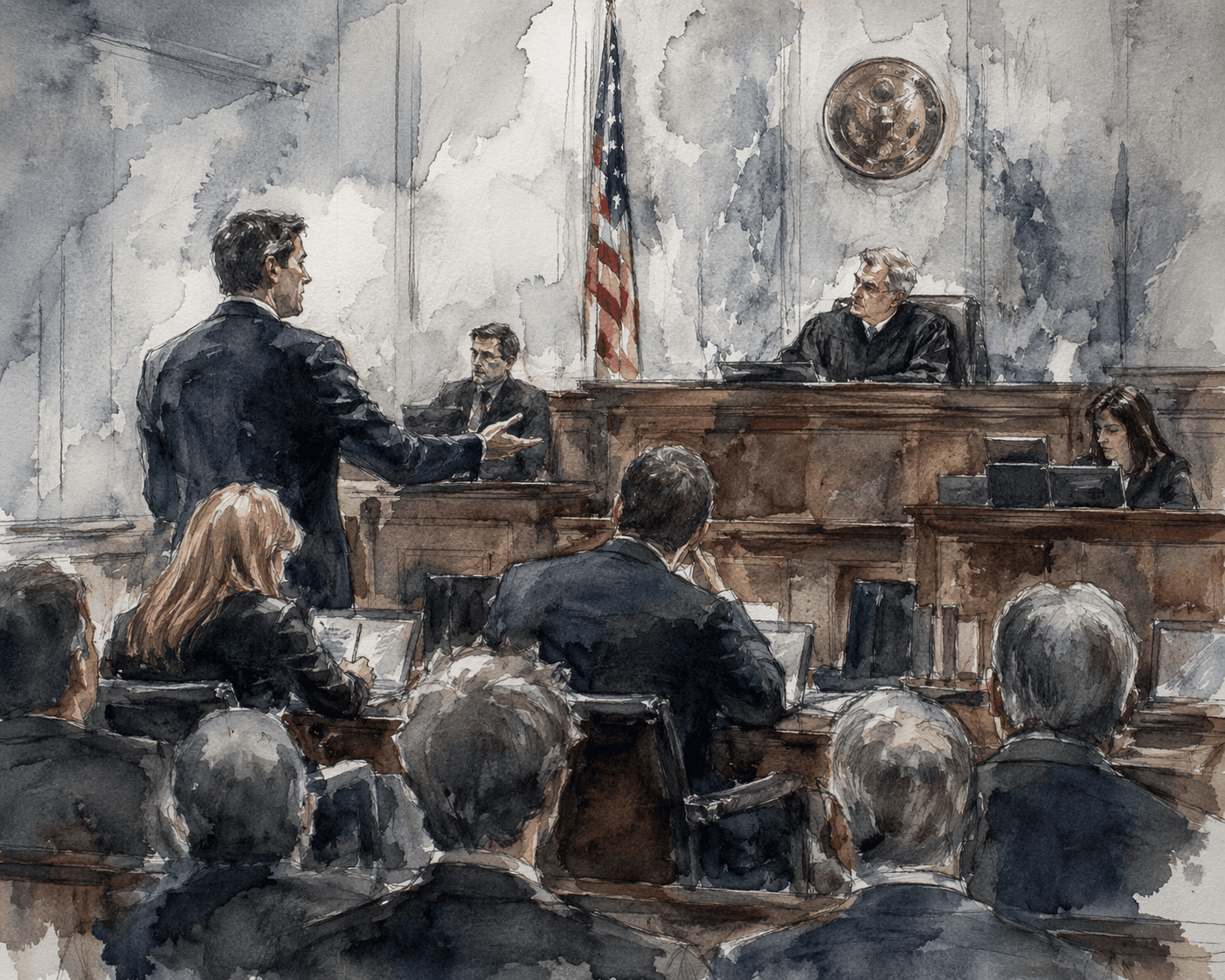
What it's about
The Supreme Court overturned that ruling (reversed it) and sent the case back to the lower court (remanded it), deciding that ambiguity alone cannot show the parties agreed to class arbitration under the Federal Arbitration Act.
The case reflects a broader debate over whether courts may treat general contract language as consent to class arbitration.
Question presented
Whether the Federal Arbitration Act forecloses a state-law interpretation of an arbitration agreement that would authorize class arbitration based solely on general language commonly used in arbitration agreements.
What the Court decided
Holding
This Court has jurisdiction. An order that both compels arbitration and dismisses the underlying claims qualifies as “a final decision with respect to an arbitration” within the meaning of 9 U. S. C. §16(a)(3), the jurisdictional provision on which Lamps Plus relies. See Green Tree Financial Corp.-Ala. v. Randolph , 531 U. S. 79, Varela attempts to distinguish Randolph on the ground that the appeal here was taken by the party who had already secured the relief it requested, i.e. , Lamps Plus had already obtained an order dismissing the claim and compelling arbitration. But Lamps Plus did not se - cure the relief it requested, since it sought individual rather than class arbitration.
- Result
- Dismissed
The vote
- Joined the judgment
- Dissented
- Wrote an opinion
- Majority · 5joined the Court's opinion
From the opinions
“But the Act does not federalize basic contract law.”
What's next
The case now goes back to the lower court (remanded) for further proceedings. The final outcome of Varela's underlying claims remains unresolved.
Why it matters
The final outcome of Varela's underlying claims remains to be determined in further proceedings.
Documents
Docket activity
New analysis added
AI analysis generated: Impact Analysis
AI analysis generated: Opinion Summary
AI analysis generated: Decision Record
Case data updated: summary, question_presented, generation_metadata
Show 7 moreShow fewer
New analysis added
AI analysis generated: Case Briefing
New analysis added
Opinion added: opinion
Brief added: Petition
Court Order added: Lower Court Orders/Opinions
Brief added: Questions Presented
More questions
- What was Lamps Plus v. Varela about?
- It involved Frank Varela's class action (group lawsuit) after a data breach exposed tax information belonging to about 1,300 Lamps Plus employees. The dispute centered on whether his employment agreement allowed class arbitration.
- What did the Supreme Court decide about class arbitration?
- It decided that an unclear arbitration agreement cannot provide the required contractual basis for class arbitration under the Federal Arbitration Act.
- Did the Supreme Court have jurisdiction (legal power) to hear the appeal?
- Yes. It said an order that requires arbitration and throws out the underlying claims counts as a final decision for appeal purposes.
- What happens next for Frank Varela?
- The case goes back to the lower court (remanded) for further proceedings. The final outcome of his underlying claims remains unresolved.
Sources
Primary materials plus reporting. Best-effort analysis: this explainer relies on a mix of primary materials and trusted secondary sources. Official filings and opinions remain authoritative.