Robert Ira Peede v. Jones
In brief
The Supreme Court declined to hear Peede's case, leaving the Eleventh Circuit's decision in place without deciding his claims.
- Where it stands
- Decided
Decided · June 25, 2018
- What it’s about
- Robert Ira Peede sought federal habeas relief from his capital sentence, arguing that his trial counsel inadequately investigated and presented mitigating evidence at sentencing and that the lower courts wrongly deferred to the state court’s analysis.
- Who it affects
- The denial left the Eleventh Circuit's decision in place, but it did not endorse either side's arguments or decide whether Peede's lawyers performed adequately.
Summary: written with AI from the case record.
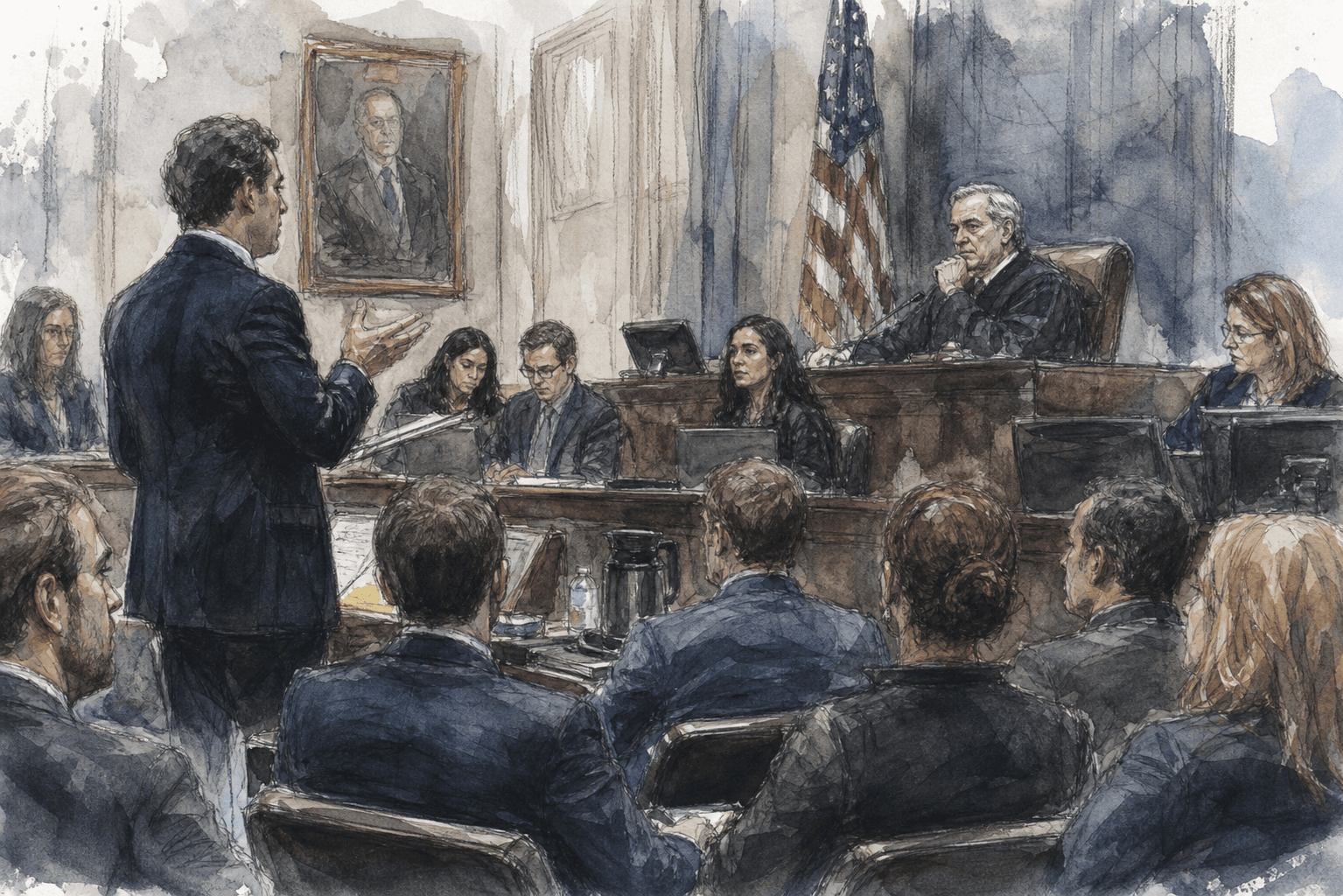
What it's about
On June 25, 2018, the Supreme Court denied his petition for review, leaving the Eleventh Circuit’s decision in place without deciding the merits of his claims.
This case involved a challenge to a death sentence and the way federal courts review state-court decisions, but the Supreme Court only decided whether to hear it.
Question presented
1. Whether a defendant who is deemed “difficult”, yet who in no way prohibited his counsel from investigating or presenting mitigation at the penalty phase of his capital trial, is precluded from subsequently complaining that his counsel performed ineffectively? 2. Whether a state court’s determination is entitled to deference in federal habeas proceedings when the state court’s analysis is based on an unreasonable application of clearly established federal law? 3. Whether a court’s decision to negate the value of clear mitigating evidence on the basis of perceived negative information that the jury would also have heard is objectively unreasonable?
What the Court decided
Holding
Petition DENIED. Statement of Justice Sotomayor, respecting the denial of certiorari. (Detached Opinion )
What's next
The Supreme Court's docket action is complete, and its denial leaves the Eleventh Circuit's decision in place. The order provides no Supreme Court ruling on Peede's underlying claims.
Why it matters
The Supreme Court left questions about the sentencing evidence and lower courts' review unresolved in this case.
Documents
Opinions
Key filings
Docket activity
New analysis added
AI analysis generated: Case Briefing
AI analysis generated: Decision Record
New analysis added
Case data updated: summary, question_presented, generation_metadata
Show 2 moreShow fewer
Opinion added: Opinion
Brief added: Petition
More questions
- What was Peede's case about?
- Peede argued that his trial lawyers failed to investigate and present evidence that might support a less severe sentence.
- What did the Supreme Court do in Peede v. Jones?
- It declined review by denying Peede's petition and did not decide the legal questions.
- Did the Court decide whether Peede's lawyers performed adequately?
- No. The Court did not reach that question or decide whether Peede's challenge should succeed.
- What happened to the Eleventh Circuit's decision?
- It remained in place after the Supreme Court declined review.
- What happens next in Peede's Supreme Court case?
- The Supreme Court's docket action is complete; its order contains no ruling on Peede's underlying claims.
Sources
Primary materials plus reporting. Best-effort analysis: this explainer relies on a mix of primary materials and trusted secondary sources. Official filings and opinions remain authoritative.