Bucklew v. Precythe
In brief
Missouri won: the Supreme Court rejected Bucklew's challenge to its lethal-injection method and left the lower court's ruling in place.
- Where it stands
- Decided
Decided 5-4 · April 1, 2019 · Opinion by Justice Thomas
- What it’s about
- Russell Bucklew, a death-row inmate with a unique medical condition, challenged Missouri's lethal injection protocol under the Eighth Amendment, arguing it would cause him severe pain.
- Who it affects
- The decision requires prisoners challenging an execution method, including because of an individual medical condition, to meet the Baze-Glossip test. In Bucklew's case, the lower court's rejection of his challenge remained in place.
Summary: written with AI from the case record.
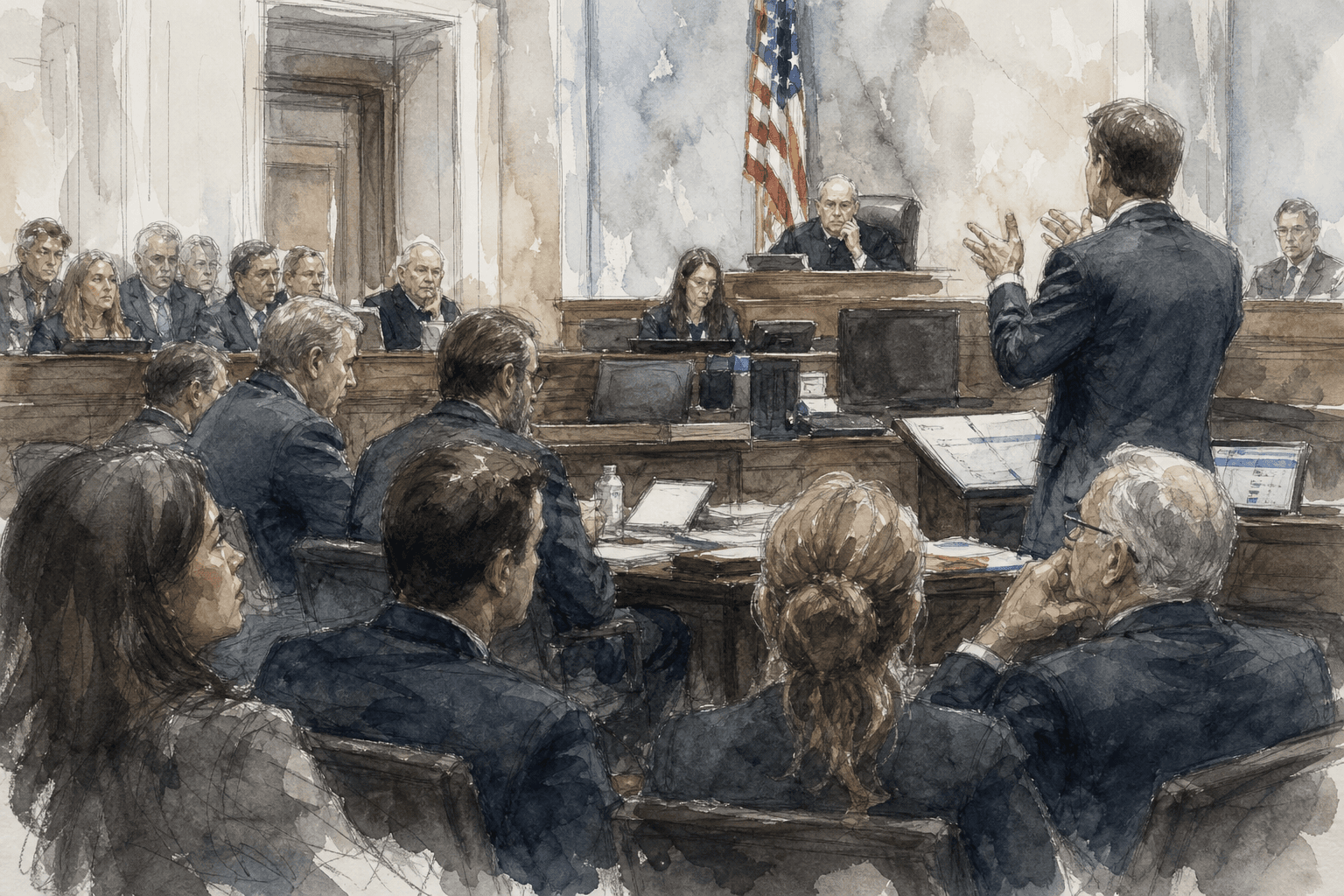
What it's about
The Supreme Court ruled that he failed to meet his burden of proving a feasible alternative method of execution that would significantly reduce his risk of pain.
The case concerns how the Eighth Amendment's ban on cruel and unusual punishment applies when a prisoner says an otherwise lawful execution method would cause severe pain in that person's circumstances.
Question presented
Whether petitioner met his burden under Glossip v. [Gross]?
What the Court decided
Holding
Mr. Bucklew has failed to satisfy the Baze - Glossip test. Pp. 20– 28. 883 F. 3d 1087, affirmed.
- Result
- Affirmed
The vote
- Joined the judgment
- Dissented
- Wrote an opinion
- Majority · 5joined the Court's opinion
From the opinions
“The majority holds that the State may execute him anyway.”
What's next
The Supreme Court has finished its action in this case. Its decision left the Eighth Circuit's ruling against Bucklew in place.
Documents
Docket activity
New analysis added
AI analysis generated: Case Briefing
AI analysis generated: Decision Record
Opinion added: opinion
Brief added: Petition
Show 1 moreShow fewer
Brief added: Questions Presented
More questions
- What did the Supreme Court decide in Bucklew v. Precythe?
- The Court agreed with the Eighth Circuit and rejected Bucklew's challenge to Missouri's lethal-injection protocol. It ruled that he had not met the Baze-Glossip test.
- Who won Bucklew v. Precythe?
- Missouri won. The Supreme Court upheld the lower court ruling against Russell Bucklew by a 5-4 vote.
- What legal rule did the Court apply in Bucklew?
- The Court said the Baze-Glossip test governs all Eighth Amendment claims that an execution method causes unconstitutionally cruel pain. That includes claims based on a prisoner's individual medical condition.
- What happens next in Bucklew v. Precythe?
- The Supreme Court's action is complete. The ruling from the Eighth Circuit remains in place.
Sources
Primary materials plus reporting. Best-effort analysis: this explainer relies on a mix of primary materials and trusted secondary sources. Official filings and opinions remain authoritative.