Mary Anne Sause v. Bauer
In brief
Sause’s case could not be dismissed without considering the Fourth Amendment claims that a liberal reading of her complaint may contain.
- Where it stands
- Decided
Decided 9-0 · June 28, 2018 · Per curiam
- What it’s about
- The Court ruled for Sause, vacating the Tenth Circuit’s judgment.
- Who it affects
- The decision means courts must carefully read complaints filed without a lawyer before dismissing them. For example, an individual alleging police misconduct may keep related claims in the case even if they did not use precise legal labels.
Summary: written with AI from the case record.
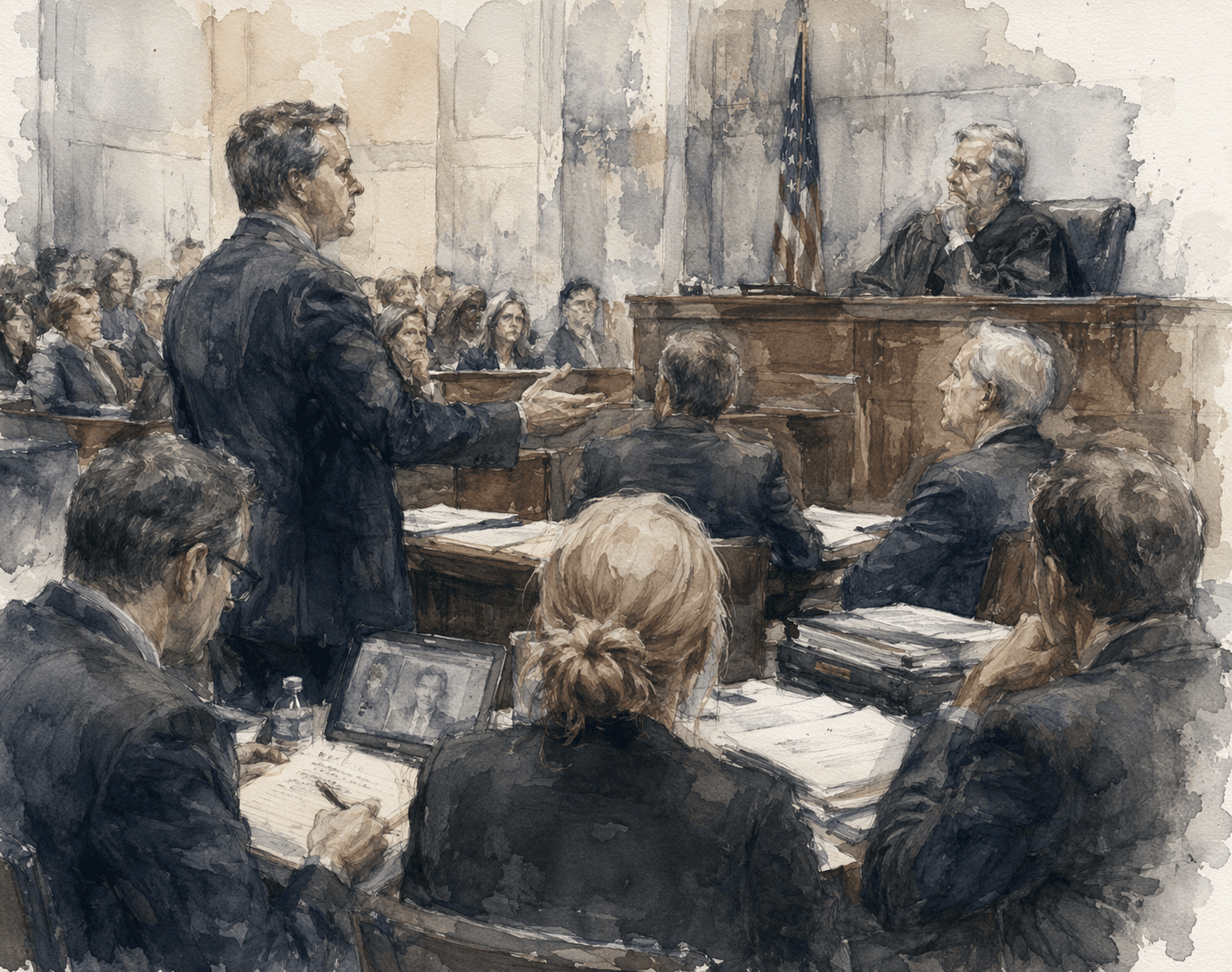
What it's about
It held that her self-represented complaint had to be read liberally and could state Fourth Amendment claims closely tied to her claim that officers ordered her to stop praying, so the officers’ qualified-immunity defense could not be resolved without considering those claims.
The case concerns qualified immunity (a defense that can protect officials from lawsuits) and how courts read complaints filed by people without lawyers.
Question presented
Whether the Court of Appeals correctly held Respondents were entitled to qualified immunity because the law was not so clearly defined at the time of the incident that it would be clear to every reasonable law enforcement officer that they would violate the First Amendment by instructing the subject of an investigatory detention to stop praying while the investigation was ongoing.
What the Court decided
Holding
BAUER Per Curiam and we remand the case for further proceedings consistent with this opinion.
- Result
- Reversed
The vote
What's next
The Supreme Court has finished this docket action. The Tenth Circuit’s judgment was vacated, allowing further proceedings consistent with the Court’s decision.
Documents
Opinions
Key filings
Docket activity
New analysis added
AI analysis generated: Decision Record
New analysis added
AI analysis generated: Case Briefing
Case data updated: summary, question_presented, generation_metadata
Show 3 moreShow fewer
New analysis added
Opinion added: Opinion
Brief added: Petition
More questions
- What did the Supreme Court rule in Sause v. Bauer?
- The Court vacated the Tenth Circuit’s judgment and said Sause’s self-represented complaint could state Fourth Amendment claims.
- Who is affected by the Sause v. Bauer decision?
- People filing civil-rights cases without lawyers may benefit when courts assess whether their complaints raise related constitutional claims.
- What happens next in Sause v. Bauer?
- The Supreme Court has completed its action. Further proceedings may address the Fourth Amendment claims identified through a liberal reading of Sause’s complaint.
Sources
Primary materials plus reporting. Best-effort analysis: this explainer relies on a mix of primary materials and trusted secondary sources. Official filings and opinions remain authoritative.