Wessinger v. Vannoy
In brief
The Supreme Court declined to hear Wessinger's case, so the Fifth Circuit's decision stayed in place.
- Where it stands
- Decided
Decided · March 5, 2018
- What it’s about
- In this capital habeas case, Todd Wessinger argued that Louisiana’s refusal to fund a post-conviction mitigation investigation excused his failure to raise an ineffective-assistance claim earlier.
- Who it affects
- For Wessinger, the Fifth Circuit's result remained in effect. Other capital defendants in the Fifth Circuit may face that result when seeking to raise claims based on later-developed evidence about their trial lawyers' work.
Summary: written with AI from the case record.
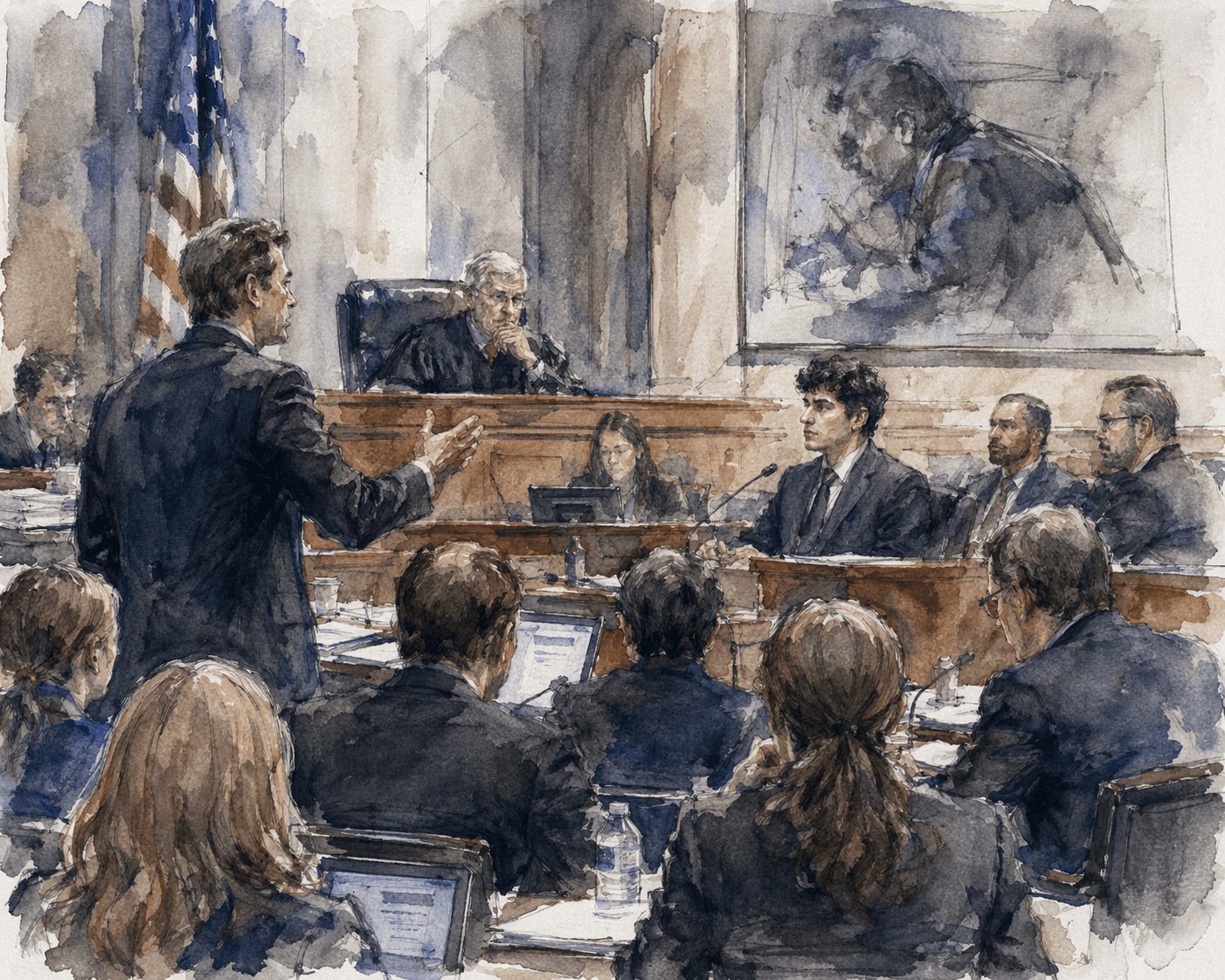
What it's about
On March 5, 2018, the Supreme Court denied review, leaving the Fifth Circuit’s decision in place and providing no ruling on the merits.
The case concerned whether a lack of state funding for an investigation can excuse a prisoner's earlier failure to raise a claim in a death-penalty case.
Question presented
1. Where a state post-conviction court refuses a request for funds to conduct a mitigation investigation in a death penalty case, does counsel nevertheless have a duty himself or herself to investigate mitigation evidence? 2. Does a state court’s denial of capital post-conviction counsel’s request for funds to conduct a mitigation investigation constitute “cause” to overcome procedural default where that denial operated as an objective factor external to the defense which impeded development and presentation of an ineffective assistance of trial counsel claim during the state court proceeding? 3. Does a state court’s denial of capital post-conviction counsel’s request for funds to conduct a mitigation investigation render the available state corrective process ineffective to protect the rights of the applicant under 28 U.S.C. § 2254(b)(1)(B)(ii), such that state-court exhaustion of a claim of ineffective assistance of trial counsel based on the results of such an investigation is not required?
What the Court decided
What's next
The Supreme Court has finished its action on this docket. Wessinger's case remained governed by the Fifth Circuit's decision.
Documents
Opinions
Key filings
Docket activity
New analysis added
AI analysis generated: Case Briefing
Case data updated: summary, question_presented, generation_metadata
Opinion added: Opinion
Brief added: Petition
More questions
- What did the Supreme Court do in Wessinger v. Vannoy?
- The Court declined to review the case. It left the Fifth Circuit's decision in place and did not decide the legal questions.
- Who is affected by Wessinger v. Vannoy?
- Wessinger and other capital defendants seeking federal review may be affected when they rely on evidence developed after state proceedings ended.
- What happens next after Wessinger v. Vannoy?
- The Supreme Court's docket action is finished. The Fifth Circuit's decision remains in effect for Wessinger's case.
Sources
Primary materials plus reporting. Best-effort analysis: this explainer relies on a mix of primary materials and trusted secondary sources. Official filings and opinions remain authoritative.