Tharpe v. Sellers
In brief
Tharpe won the right to pursue an appeal over whether racial bias tainted his death sentence.
- Where it stands
- Case remanded
Remanded · January 8, 2018
- What it’s about
- The Court ruled for Keith Tharpe, holding that he was entitled to a certificate of appealability because a juror’s affidavit containing racist statements gave substantial reason to question whether racial bias affected the death-sentence verdict.
- Who it affects
- The decision gives Tharpe another chance to challenge his death sentence based on evidence of racial bias by a juror. It also matters to other death-row prisoners who can show strong evidence that racial prejudice affected a verdict.
Summary: written with AI from the case record.
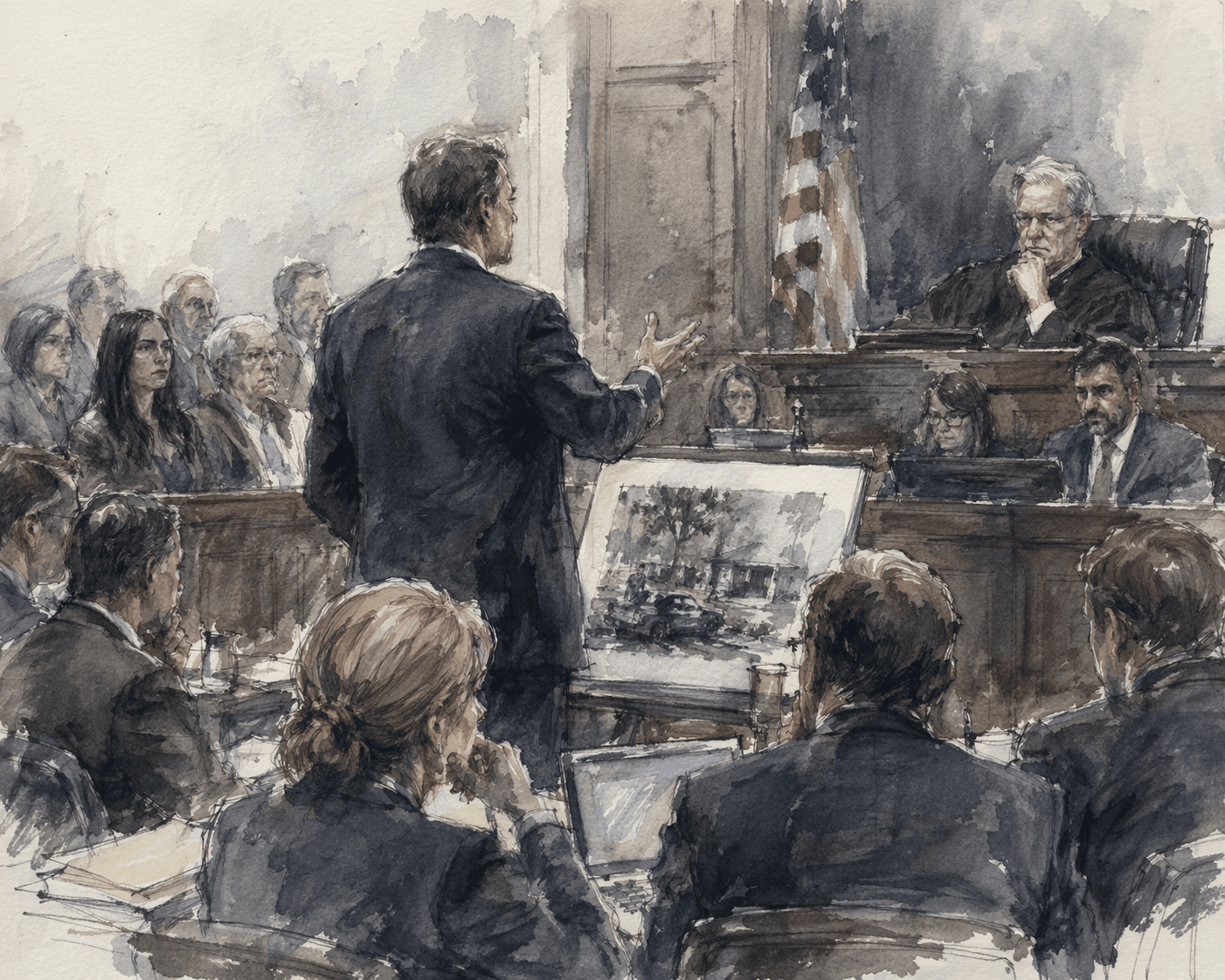
What it's about
The Court vacated the Eleventh Circuit’s ruling and sent the case back for further consideration of whether the judgment should be reopened under Federal Rule of Civil Procedure 60(b)(6).
The case concerns when courts must take evidence of racial bias seriously even after a jury has reached a verdict.
Question presented
Should a capital case be reopened in light of a juror's racially discriminatory statements made after the petitioner's capital murder trial, providing sufficient evidence in the record for the trial court to conclude that racial animus had influenced the jury's conviction and imposition of the death sentence?
What the Court decided
Result
Remanded
The vote
What's next
The Eleventh Circuit must reconsider whether to reopen the judgment under Rule 60(b)(6), a rule allowing exceptional reopening of final judgments. The Supreme Court has finished its action in this docket.
Docket activity
New analysis added
AI analysis generated: Case Briefing
Case data updated: summary, question_presented, generation_metadata
New analysis added
Opinion added: Opinion
More questions
- What did the Supreme Court rule in Tharpe v. Sellers?
- The Court said Tharpe was entitled to appeal and vacated the Eleventh Circuit's decision. It ordered further consideration of reopening his case.
- How could the Tharpe decision affect death penalty cases?
- It gives prisoners a path to challenge a death sentence when strong evidence suggests racial bias affected a juror's decision.
- When does Tharpe's case move forward again?
- The case returns to the Eleventh Circuit now. That court must consider whether exceptional circumstances justify reopening the judgment.
Sources
Primary materials plus reporting. Best-effort analysis: this explainer relies on a mix of primary materials and trusted secondary sources. Official filings and opinions remain authoritative.