South Dakota v. Wayfair
In brief
The Court ended Quill’s physical-presence rule and sent South Dakota’s case back for another look.
- Where it stands
- Decided
Decided 5-4 · June 21, 2018 · Opinion by Justice Thomas
- What it’s about
- South Dakota challenged a rule that barred the state from requiring online and other remote sellers, including Wayfair, to collect sales tax unless they had a physical presence there.
- Who it affects
- The decision removed the earlier physical-presence rule for state sales-tax collection duties. The Court did not leave the South Dakota Supreme Court’s judgment in place.
Summary: written with AI from the case record.
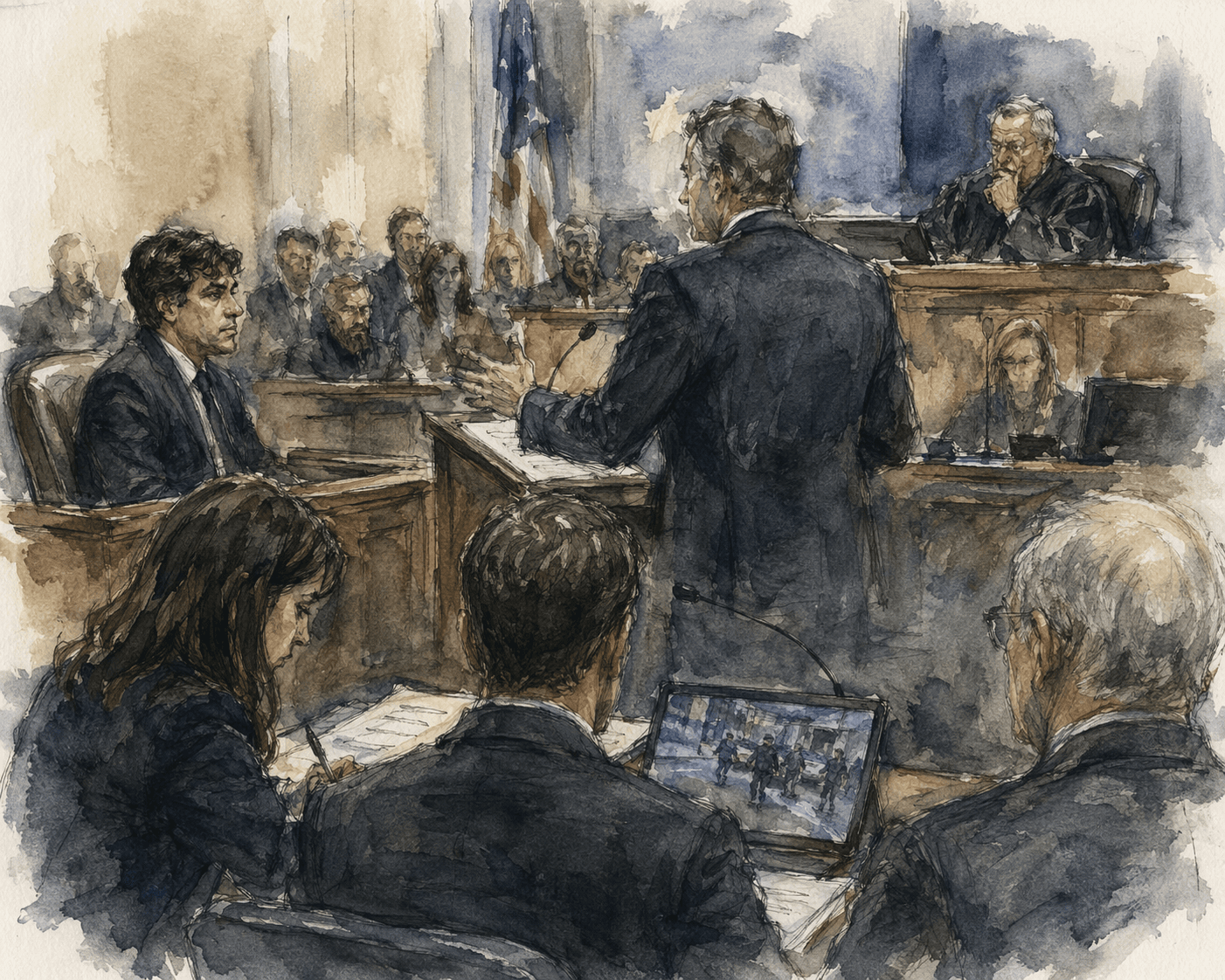
What it's about
The Supreme Court rejected that rule, overruled Quill and Bellas Hess as controlling precedents, wiped out the South Dakota Supreme Court’s judgment, and sent the case back to that court (remanded).
The case concerned the dormant Commerce Clause, an implied constitutional limit on state laws that burden interstate commerce.
Question presented
Should this Court abrogate Quill's sales-tax-only, physical-presence requirement?
What the Court decided
Holding
Because the physical presence rule of Quill is unsound and incorrect, Quill Corp. v. North Dakota , 504 U. S. 298, and National Bellas Hess, Inc. v. Department of Revenue of Ill. , 386 U. S. 753, are overruled. 2017 S.D. 56, 901 N. W. 2d 754, vacated and remanded.
- Result
- Vacated
The vote
- Joined the judgment
- Dissented
- Wrote an opinion
- Majority · 5joined the Court's opinion
From the opinions
“I would decline that invitation as well.”
What's next
The South Dakota Supreme Court must reconsider the case after the Court’s ruling. The Supreme Court has finished its action in this docket.
Documents
Docket activity
New analysis added
AI analysis generated: Impact Analysis
AI analysis generated: Opinion Summary
Case data updated: summary, question_presented, generation_metadata
New analysis added
Show 5 moreShow fewer
AI analysis generated: Case Briefing
AI analysis generated: Decision Record
New analysis added
Opinion added: opinion
Brief added: Questions Presented
More questions
- What did the Supreme Court do in South Dakota v. Wayfair?
- The Court discarded Quill’s physical-presence rule. It wiped out the state court judgment (vacated) and sent the case back (remanded).
- What rule did the Court reject?
- It rejected the rule that a seller needed a physical presence in a state before that state could require sales-tax collection.
- Who voted in the Wayfair decision?
- Justice Kennedy’s opinion had five justices. Chief Justice Roberts disagreed, joined by Justices Breyer, Sotomayor and Kagan.
- What happens next in the Wayfair case?
- The South Dakota Supreme Court must reconsider the dispute under the Supreme Court’s decision. The Supreme Court’s docket action is complete.
Sources
Primary materials plus reporting. Best-effort analysis: this explainer relies on a mix of primary materials and trusted secondary sources. Official filings and opinions remain authoritative.