Dawson v. Steager
In brief
The Court sided with Dawson: West Virginia could not tax his federal retirement benefits while exempting comparable state law-enforcement pensions.
- Where it stands
- Decided
Decided 9-0 · February 20, 2019 · Opinion by Justice Gorsuch
- What it’s about
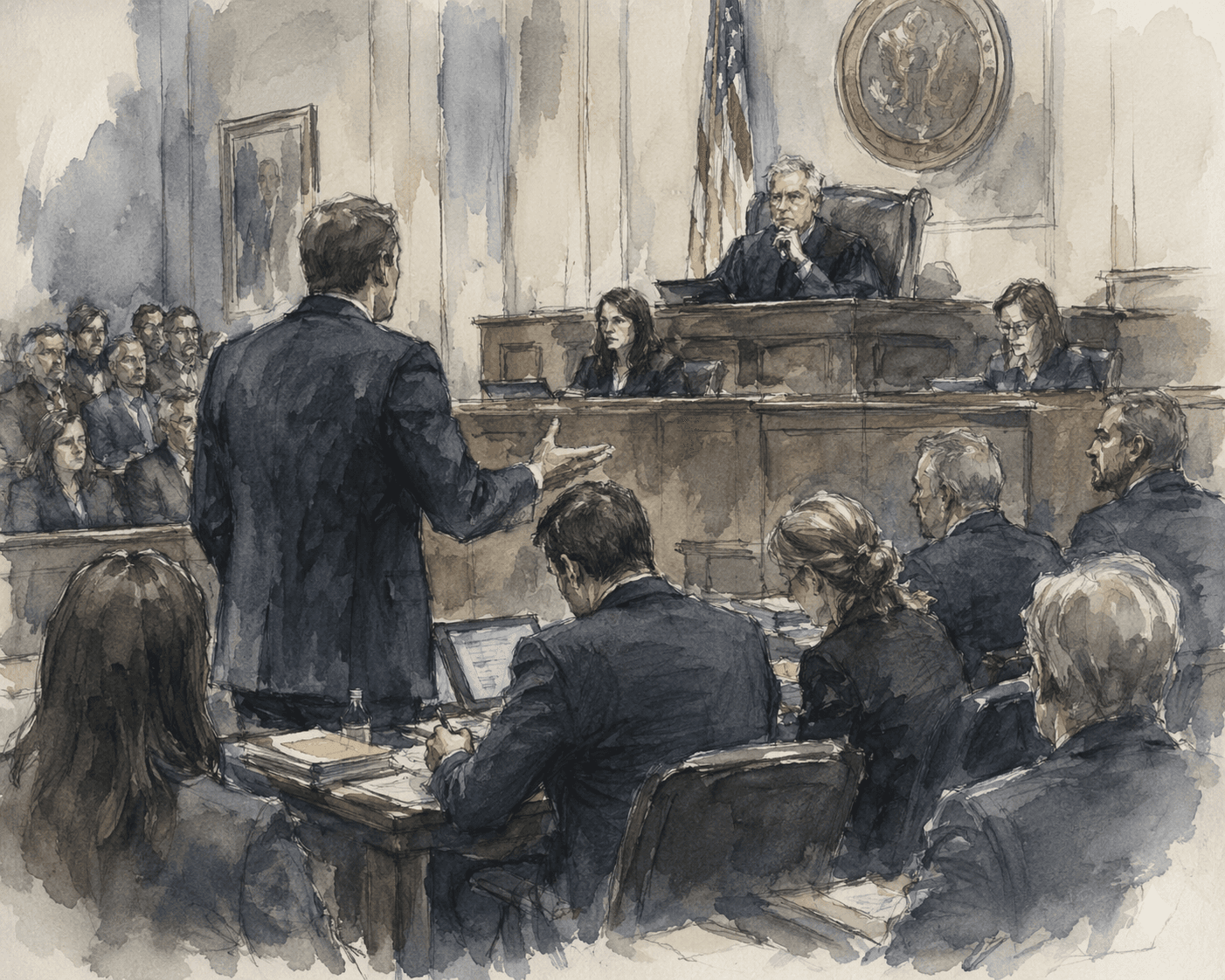
- West Virginia exempted retirement income for many state and local firefighters and law-enforcement officers but taxed James Dawson’s federal marshal retirement benefits.
- Who it affects
- West Virginia cannot give the identified state law-enforcement retirees a tax break while denying the same treatment to similarly situated federal retirees. Different treatment is allowed only when significant job differences justify it.
Summary: written with AI from the case record.
What it's about
The Supreme Court ruled this unequal treatment violated 4 U.S.C. §111, overturned the West Virginia Supreme Court of Appeals’ judgment, and sent the case back to the lower court (remanded).
The case applied 4 U.S.C. §111, a federal law that bars states from taxing federal employees more heavily because their pay comes from the federal government.
Question presented
1. Whether the doctrine of intergovernmental tax immunity, as codified in 4 U.S.C. 111, prohibits the State of West Virginia from exempting from state taxation the retirement benefits of certain former state law-enforcement officers, without providing the same exemption for the retirement benefits of former employees of the United States Marshals Service? 2. Whether this Court's precedent and the doctrine of intergovernmental tax immunity bar states from exempting groups of state retirees from state income tax while discriminating against similarly situated federal retirees based on the source of their retirement income?
What the Court decided
Holding
The West Virginia statute unlawfully discriminates against Mr. Dawson as §111 forbids. A State violates §111 when it treats retired state employees more favorably than retired federal employees and no “significant differences between the two classes” justify the differential treatment. Davis v. Michigan Dept. of Treasury , 489 U. S. 803, 814–816. Here, West Virginia expressly affords state law enforcement retirees a tax benefit that federal retirees cannot receive, and there are no “significant differences” between Mr. Dawson’s former job responsibilities and those of the tax-exempt state law enforce - ment retirees. Reversed and remanded.
- Result
- Reversed
The vote
What's next
The case returns to the West Virginia courts for further proceedings under the Supreme Court's ruling. The Supreme Court has finished its review of this docket.
Documents
Docket activity
New analysis added
AI analysis generated: Impact Analysis
AI analysis generated: Opinion Summary
Case data updated: summary, question_presented, generation_metadata
New analysis added
Show 5 moreShow fewer
AI analysis generated: Case Briefing
AI analysis generated: Decision Record
New analysis added
Opinion added: opinion
Brief added: Questions Presented
More questions
- What did Dawson v. Steager decide?
- The Court decided West Virginia's tax rule unlawfully treated Dawson's federal retirement income worse than comparable state retirement income.
- Who won Dawson v. Steager?
- James Dawson won at the Supreme Court. The Court overturned the West Virginia Supreme Court's ruling and sent the case back.
- How did West Virginia's tax rule discriminate?
- It exempted pensions for certain retired state law-enforcement officers but did not provide the same exemption for Dawson's U.S. Marshals Service pension.
- What happens next in Dawson v. Steager?
- West Virginia courts will take up the case again under the Supreme Court's decision. The Court did not leave the earlier state-court ruling in place.
Sources
Primary materials plus reporting. Best-effort analysis: this explainer relies on a mix of primary materials and trusted secondary sources. Official filings and opinions remain authoritative.