Mission Product Holdings v. Tempnology
In brief
Bankruptcy rejection is a breach of a license agreement, so it does not automatically take away a licensee's rights.
- Where it stands
- Decided
Decided 8-1 · May 20, 2019 · Opinion by Justice Kagan
- What it’s about
- After Tempnology filed for bankruptcy, it rejected a licensing agreement that let Mission distribute certain products and use Tempnology’s trademarks.
- Who it affects
- A licensee may keep rights that would survive an ordinary contract breach outside bankruptcy. The answer still depends on what nonbankruptcy law says about the particular license.
Summary: written with AI from the case record.
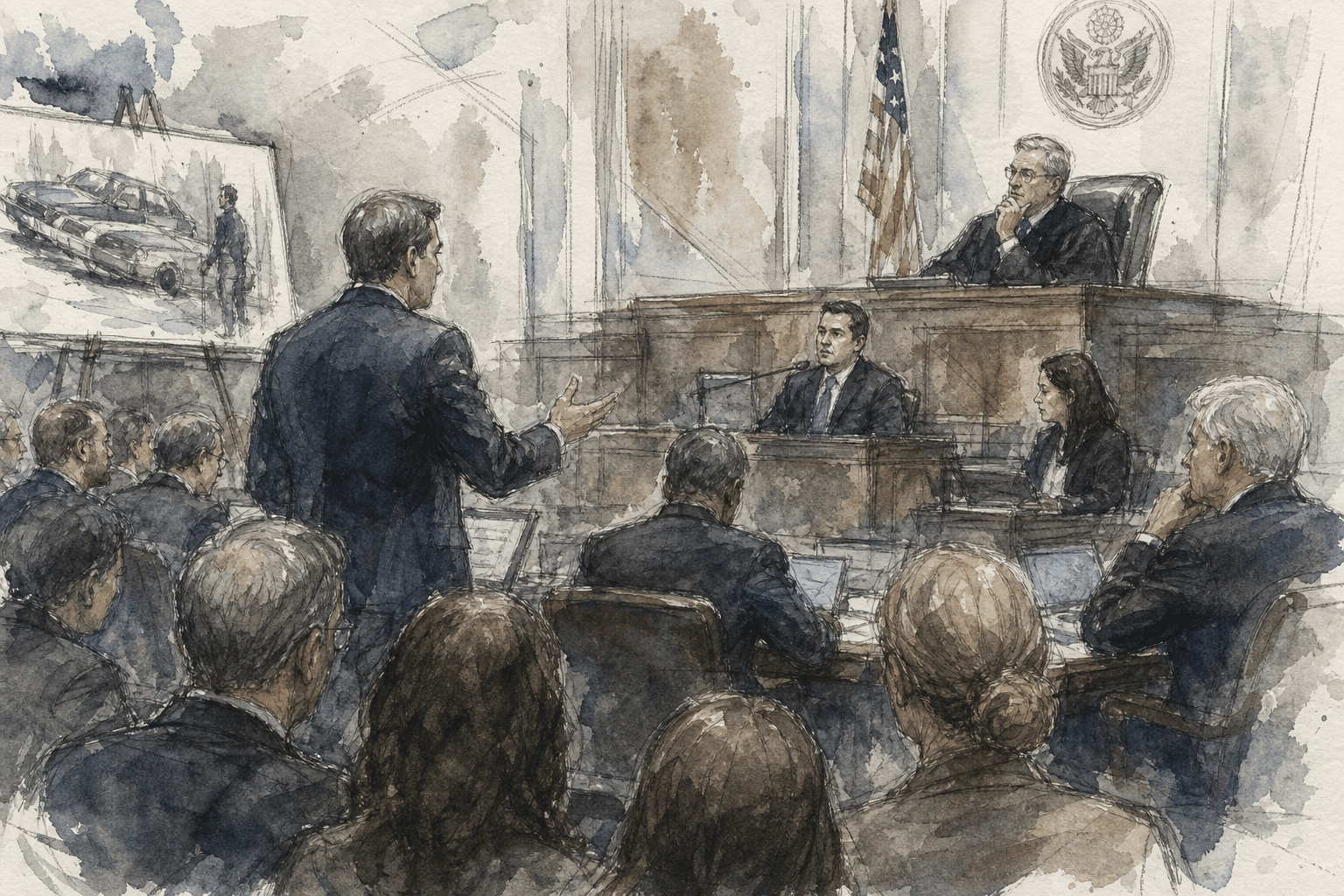
What it's about
The Supreme Court held that rejecting the contract counted as a breach, not a cancellation, so it did not automatically strip Mission of rights that would have survived an ordinary breach outside bankruptcy.
The decision applies a basic bankruptcy rule: rejecting an ongoing contract does not erase the contract as though it never existed.
Question presented
Whether, under §365 of the Bankruptcy Code, a debtor-licensor's "rejection" of a license agreement which "constitutes a breach of such contract," 11 U.S.C. §365(g)-terminates rights of the licensee that would survive the licensor's breach under applicable non-bankruptcy law.
What the Court decided
Holding
This case is not moot. Mission presents a plausible claim for money damages arising from its inability to use Tempnology’s trademarks, which is sufficient to preserve a live controversy. See Chafin v. Chafin , 568 U. S. 165, Tempnology’s various arguments that Mission is not entitled to damages do not so clearly preclude recovery as to render this case moot.
- Result
- Reversed
The vote
From the opinions
“This Court is not in the business of deciding abstract questions, no matter how interesting.”
What's next
The case returns to the lower court for further proceedings consistent with the Supreme Court's ruling. Mission's possible money-damages claim keeps the dispute live even though the agreement expired.
Documents
Docket activity
New analysis added
AI analysis generated: Case Briefing
AI analysis generated: Decision Record
Opinion added: opinion
Brief added: Petition
Show 2 moreShow fewer
Court Order added: Lower Court Orders/Opinions
Brief added: Questions Presented
More questions
- What did Mission Product Holdings v. Tempnology decide?
- The Court said bankruptcy rejection of a license agreement is a breach, not a cancellation. It overturned the First Circuit and sent the case back to the lower court.
- Was the Tempnology case moot?
- No. The Court found that Mission had a plausible claim for money damages tied to its inability to use Tempnology's trademarks.
- How did the justices vote in Mission Product Holdings?
- Justice Kagan's opinion had eight votes. Justice Gorsuch was the only dissenter, while Justice Sotomayor also wrote separately.
- What rights can a licensee keep after bankruptcy rejection?
- It can keep rights that would survive an ordinary breach under nonbankruptcy law. The Court did not say every trademark licensee may always keep using a mark.
- What happens next in the Tempnology case?
- The lower court will handle the case again under the Supreme Court's rule. The Court's decision left open further proceedings on Mission's claims.
Sources
Primary materials plus reporting. Best-effort analysis: this explainer relies on a mix of primary materials and trusted secondary sources. Official filings and opinions remain authoritative.