Bostock v. Clayton County
In brief
Employers covered by Title VII cannot fire workers simply for being gay or transgender.
- Where it stands
- Decided
Decided 6-3 · June 15, 2020 · Opinion by Justice Gorsuch
- What it’s about
- The Supreme Court decided that Title VII, a federal employment law, bars an employer from firing someone merely for being gay or transgender because that is discrimination “because of sex.”
- Who it affects
- The Court decided that an employer violates Title VII by firing someone merely for being gay or transgender. That makes sexual-orientation and transgender-status discrimination a form of prohibited sex discrimination under this law.
Summary: written with AI from the case record.
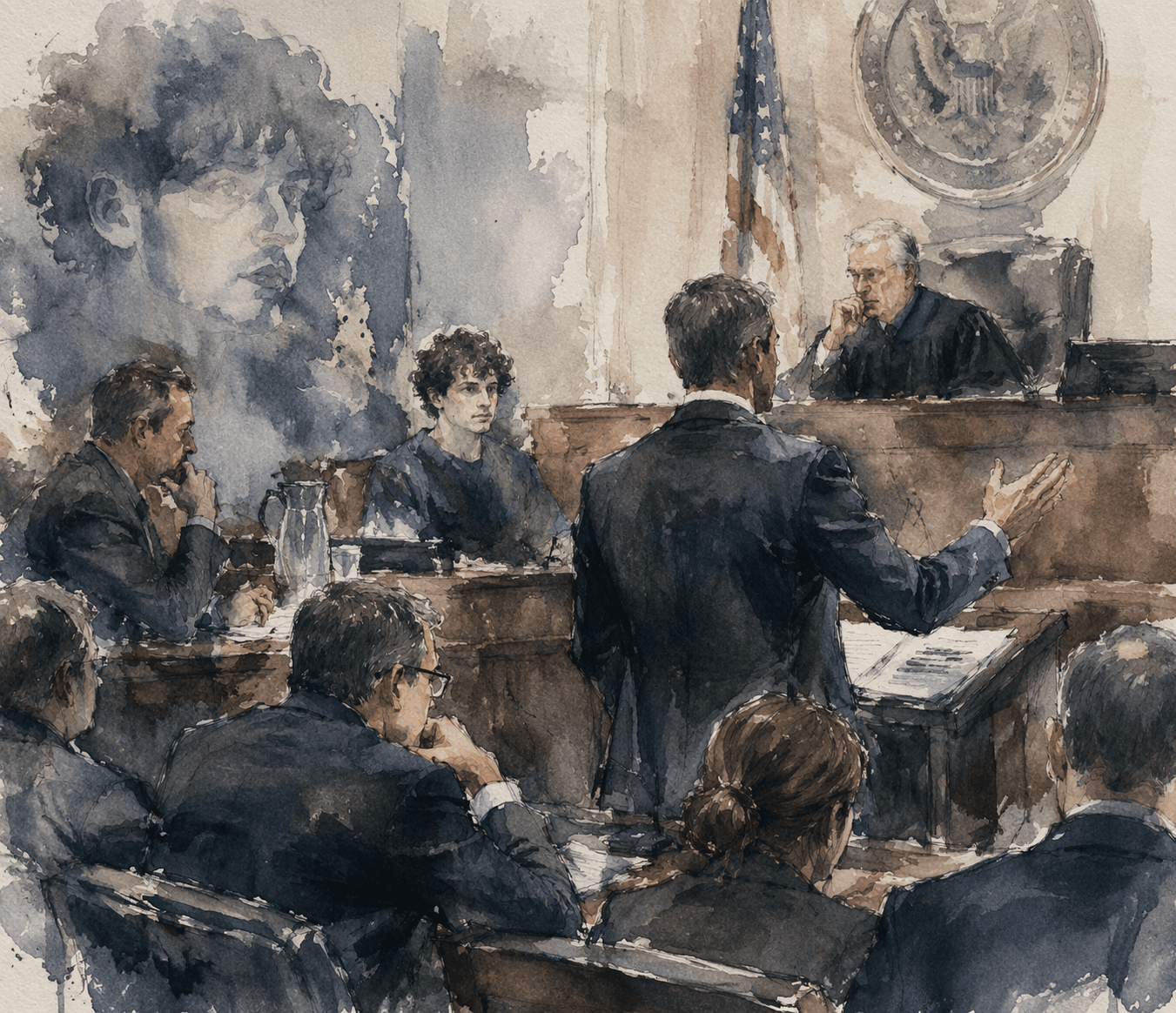
What it's about
In Bostock’s case against Clayton County, the Court overturned the Eleventh Circuit’s ruling and sent the case back for further proceedings (reversed and remanded); it separately upheld judgments in two companion cases.
The decision interpreted the word “sex” in the 1964 Civil Rights Act's workplace-discrimination ban.
Question presented
Whether discrimination against an employee because of sexual orientation constitutes prohibited employment discrimination "because of... sex" within the meaning of Title VII of the Civil Rights Act of 1964, 42U.S.C. § 2000e-2.
What the Court decided
Holding
An employer who fires an individual merely for being gay or transgender violates Title VII. 964, reversed and remanded
The vote
From the opinions
“There is only one word for what the Court has done today: legislation.”
What's next
The Court sent Bostock's case back to the lower court (remanded) for further proceedings consistent with its ruling. The Supreme Court has finished its work on this docket.
Documents
Docket activity
New analysis added
AI analysis generated: Impact Analysis
AI analysis generated: Opinion Summary
Case data updated: summary, question_presented, generation_metadata
New analysis added
Show 6 moreShow fewer
AI analysis generated: Case Briefing
AI analysis generated: Decision Record
New analysis added
Opinion added: opinion
Brief added: Petition
Brief added: Questions Presented
More questions
- What did Bostock v. Clayton County decide?
- The Court decided that firing a worker merely for being gay or transgender violates Title VII's ban on sex discrimination.
- Who won Bostock v. Clayton County?
- Bostock won at the Supreme Court. The Court overturned the Eleventh Circuit's ruling against him and sent the case back.
- How did the justices vote in Bostock?
- The Court ruled 6-3. Justice Gorsuch wrote the opinion, while Justices Alito and Kavanaugh wrote separate dissents.
- What happens next in Bostock's case?
- The case returned to the lower court for further proceedings consistent with the Supreme Court's decision.
Sources
Primary materials plus reporting. Best-effort analysis: this explainer relies on a mix of primary materials and trusted secondary sources. Official filings and opinions remain authoritative.