Alex M. Azar, II v. Allina Health Services
In brief
The Supreme Court upheld the lower court’s ruling, leaving the challenged HHS Medicare reimbursement policy wiped out (vacated) because the government had not identified a lawful excuse for skipping notice and comment.
- Where it stands
- Decided
Decided 7-1 · June 3, 2019 · Opinion by Justice Gorsuch
- What it’s about
- The Court ruled for Allina Health Services and held that the Department of Health and Human Services had to use notice-and-comment procedures before adopting its Medicare reimbursement policy.
- Who it affects
- The ruling means the challenged Medicare reimbursement policy is wiped out (vacated), so HHS cannot keep it in effect as adopted. The decision leaves open what replacement formula or future payment instructions will follow.
Summary: written with AI from the case record.
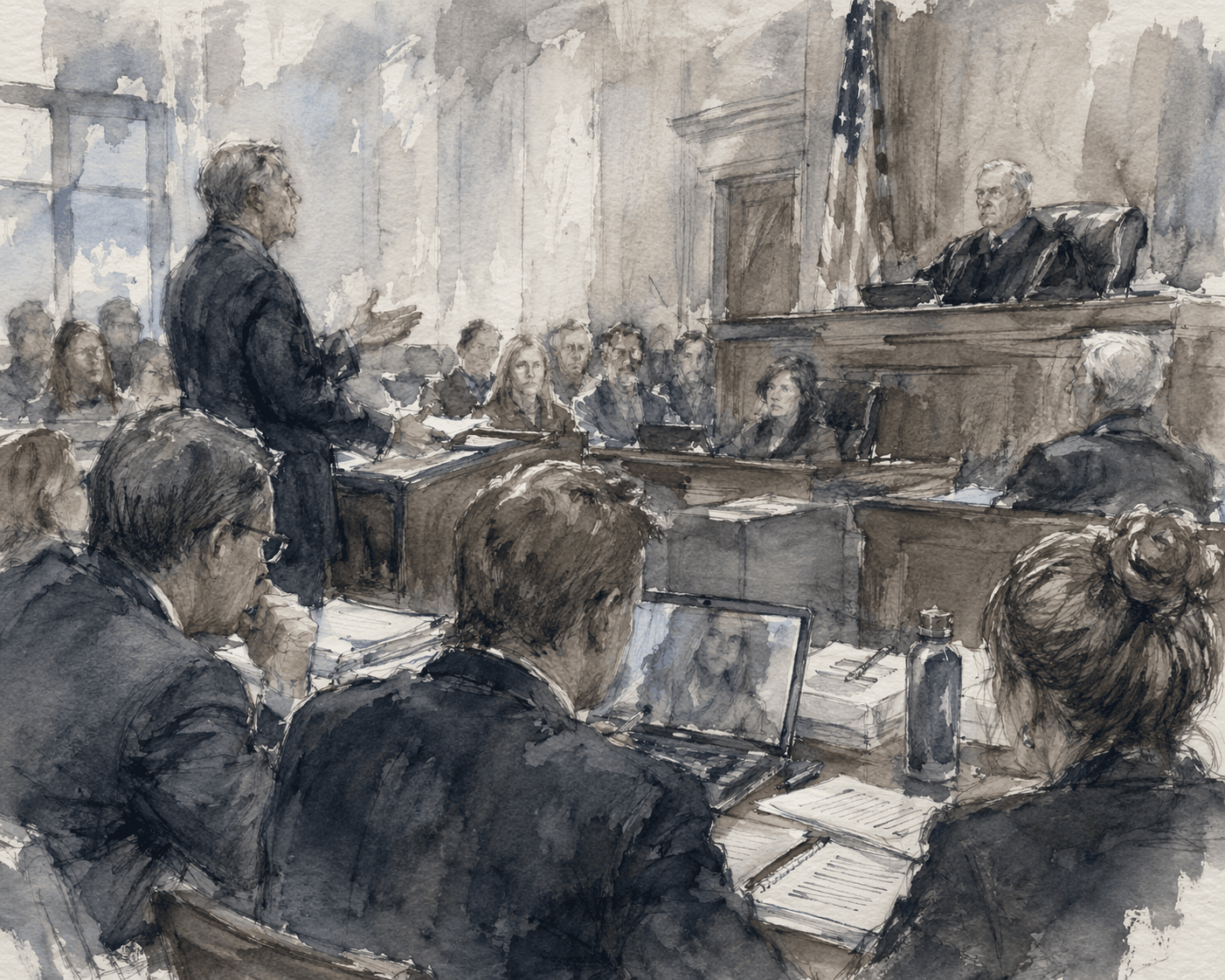
What it's about
Because HHS had no lawful excuse for skipping those procedures, the Court affirmed the lower court’s decision vacating the policy.
The case addressed when HHS must seek public input before changing Medicare payment policy through contractor instructions.
Question presented
1. WHETHER 42 U.S.C. §1395hh(a)(2) or §1395hh(a)(4) REQUIRED THE DEPARTMENT OF HEALTH AND HUMAN SERVICES TO CONDUCT NOTICE-AND-COMMENT RULEMAKING BEFORE PROVIDING THE CHALLENGED INSTRUCTIONS TO A MEDICARE ADMINISTRATOR CONTRACTOR MAKING INITIAL DETERMINATIONS OF PAYMENTS DUE UNDER MEDICARE. 2. Whether Section 1395hh(a)(2) requires HHS to conduct notice-and-comment rulemaking before providing instructions to a Medicare Administrative Contractor that makes initial determinations of payments due under Medicare, when those instructions rest on a non--legally-binding administrative interpretation of a relevant statutory provision.
What the Court decided
Holding
Because the government has not identified a lawful excuse for neglecting its statutory notice-and-comment obligations, its policy must be vacated. 863 F. 3d 937, affirmed.
- Result
- Affirmed
The vote
From the opinions
“After considering the relevant language, the statutory context, the statutory history, and the related consequences, I believe the Government is right.”
What's next
The D.C. Circuit’s appeals-court ruling remains in force. If HHS adopts a replacement policy covered by the ruling, it must use the required notice-and-comment process; the decision does not specify the replacement formula or further court steps.
Documents
Docket activity
New analysis added
AI analysis generated: Case Briefing
New analysis added
AI analysis generated: Impact Analysis
New analysis added
Show 7 moreShow fewer
AI analysis generated: Opinion Summary
AI analysis generated: Decision Record
New analysis added
Case data updated: summary, question_presented, generation_metadata
New analysis added
Opinion added: opinion
Brief added: Petition
More questions
- What did the Supreme Court decide in Azar v. Allina Health?
- It upheld the lower court’s ruling. The policy had to be wiped out (vacated) because the government had not identified a lawful excuse for skipping notice and comment.
- What issue did Allina Health raise about HHS’s Medicare policy?
- The dispute concerned HHS changing its Medicare reimbursement formula through instructions to a contractor making initial payment decisions. The question was whether Medicare law required notice and comment before that change.
- What happened to HHS’s reimbursement policy after the ruling?
- The policy was wiped out (vacated), and the D.C. Circuit’s ruling remains in place. The decision does not specify a replacement formula or future payment instructions.
- What must HHS do next after Azar v. Allina Health?
- The D.C. Circuit’s ruling remains in force. If HHS adopts a replacement policy covered by the ruling, it must use notice and comment; the decision does not specify the formula.
- Who delivered the opinion in Azar v. Allina Health?
- Justice Gorsuch delivered the Court’s opinion, and Chief Justice Roberts plus Justices Thomas, Ginsburg, Alito, Sotomayor, and Kagan signed on to it. Justice Breyer dissented (disagreed); Justice Kavanaugh took no part.
Sources
Primary materials plus reporting. Best-effort analysis: this explainer relies on a mix of primary materials and trusted secondary sources. Official filings and opinions remain authoritative.