Franchise Tax Bd. of Cal. v. Hyatt
In brief
California could not be sued by Gilbert Hyatt in Nevada state court without California’s consent.
- Where it stands
- Decided
Decided 5-4 · May 13, 2019 · Opinion by Justice Thomas
- What it’s about
- This case asked whether Gilbert Hyatt could keep suing California’s Franchise Tax Board in Nevada state court for alleged misconduct during a tax audit.
- Who it affects
- A private person generally cannot sue one state in another state’s courts unless the state agrees. The ruling ended the rule that had let each state decide whether to give another state that protection.
Summary: written with AI from the case record.
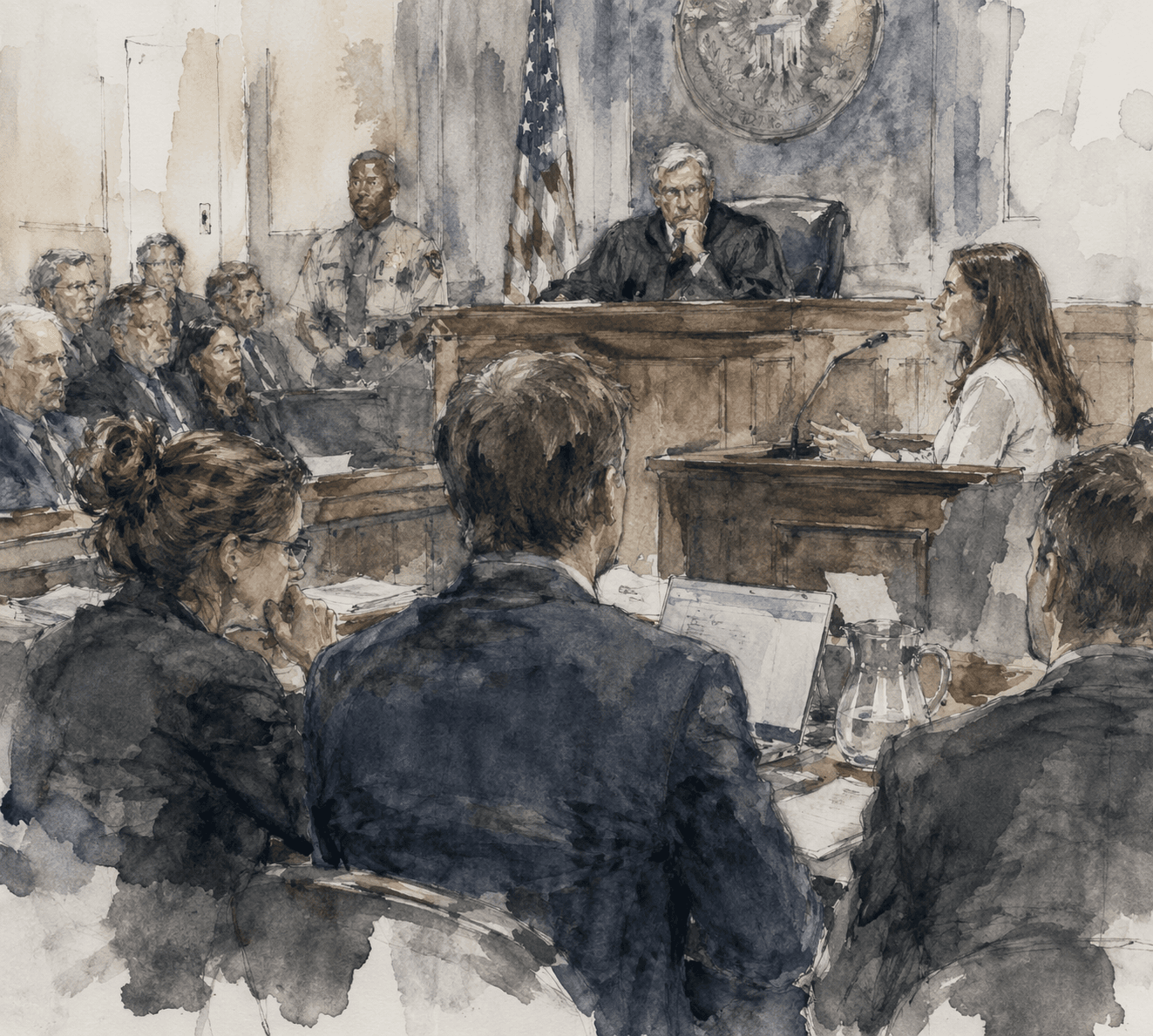
What it's about
The Supreme Court used the case to decide whether states have sovereign immunity from private suits in other states’ courts and ultimately overruled Nevada v. Hall.
The case resolved a long-running dispute over whether the Constitution requires states to respect one another’s immunity from private lawsuits.
Question presented
Whether Nevada v. Hall , 440 U.S. 410 (1979), which permits a sovereign State to be haled into another State's courts without its consent, should be overruled.
What the Court decided
Holding
Nevada v. Hall is overruled; States retain their sovereign immunity from private suits brought in courts of other States. 133 Nev. ___, 407 P. 3d 717, reversed and remanded.
- Result
- Reversed
The vote
From the opinions
“I can find no good reason to overrule Hall , however, and I consequently dissent.”
What's next
The case returned to the Nevada Supreme Court for further action consistent with the Supreme Court’s ruling. The Supreme Court has finished its work on this docket.
Documents
Docket activity
New analysis added
AI analysis generated: Case Briefing
AI analysis generated: Decision Record
New analysis added
Opinion added: opinion
Show 2 moreShow fewer
Brief added: Petition
Brief added: Questions Presented
More questions
- What did Franchise Tax Bd. of Cal. v. Hyatt decide?
- The Court said states cannot be sued by private people in another state’s courts without consent. It overturned Nevada v. Hall.
- Who won in the Supreme Court?
- California’s Franchise Tax Board won. The Court overturned the Nevada Supreme Court’s judgment and sent the case back.
- How did the justices vote in Hyatt?
- The Court ruled 5-4. Justice Thomas wrote the majority opinion, while Justice Breyer wrote for the four dissenting justices.
- What happens next in the Hyatt case?
- The Nevada Supreme Court must handle the case under the new rule. The Supreme Court has sent the case back to Nevada.
Sources
Primary materials plus reporting. Best-effort analysis: this explainer relies on a mix of primary materials and trusted secondary sources. Official filings and opinions remain authoritative.