Biestek v. Berryhill
In brief
The Court said a vocational expert can still provide enough evidence about available jobs even when the expert does not turn over private survey data.
- Where it stands
- Decided
Decided 6-3 · April 1, 2019 · Opinion by Justice Kagan
- What it’s about
- This case was about a Social Security disability benefits hearing in which an administrative law judge relied on a vocational expert’s testimony about jobs the claimant could still do, even though the expert refused to turn over the survey data behind her job-number estimates.
- Who it affects
- The decision means an expert's refusal to produce supporting job-survey data does not automatically disqualify the testimony. Courts must instead assess whether the evidence is reliable enough in the circumstances of each case.
Summary: written with AI from the case record.
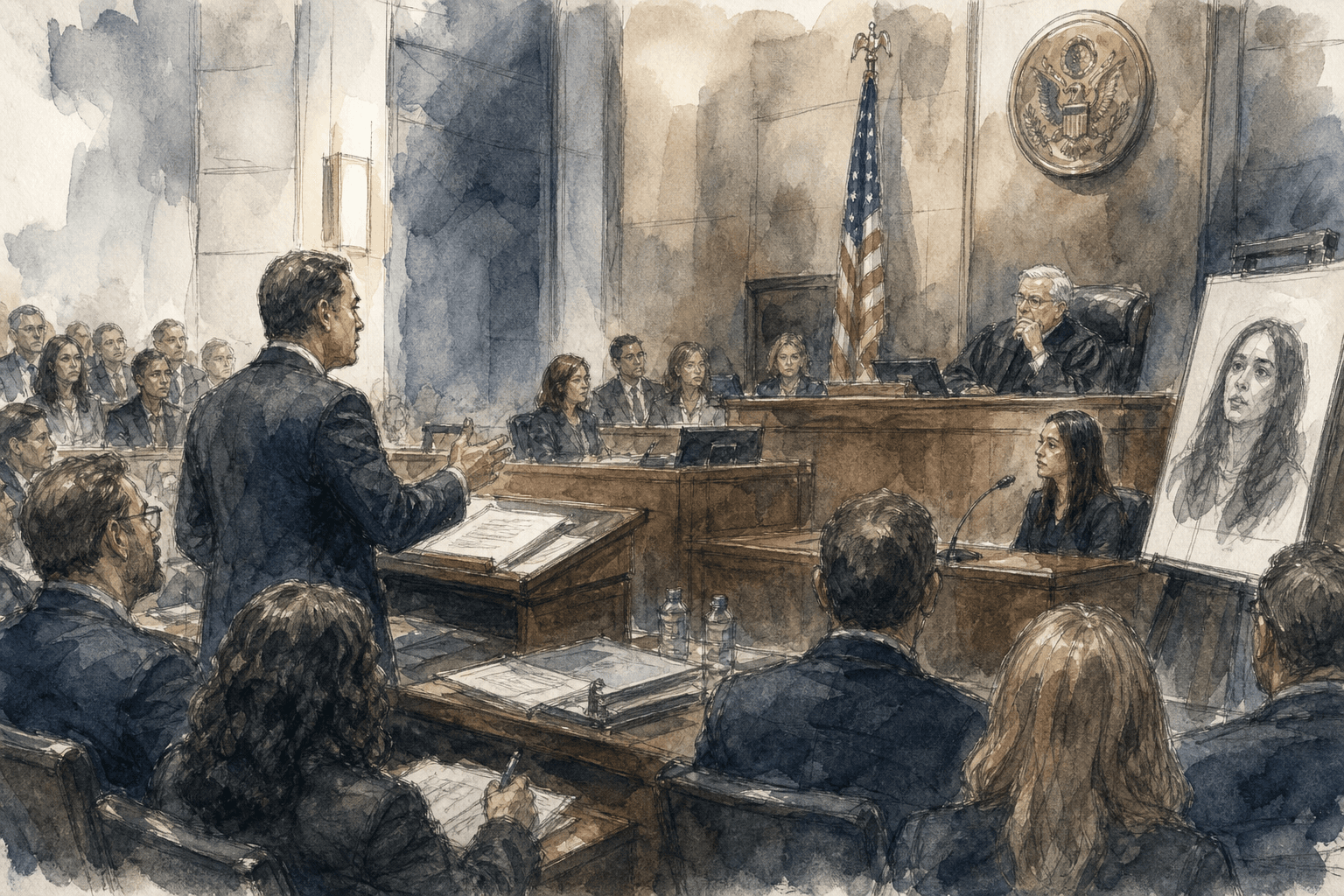
What it's about
The Supreme Court decided that such testimony is not automatically disqualified and can still count as substantial evidence, depending on the circumstances of the case.
The case concerns how the Social Security Administration decides whether a person with disabilities can adjust to other available work.
Question presented
Whether a vocational expert's testimony can constitute substantial evidence of "other work," 20 C.F.R. § 404.1520(a)(4)(v), available to an applicant for social security benefits on the basis of a disability, when the expert fails upon the applicant's request to provide the underlying data on which that testimony is premised.
What the Court decided
Holding
A vocational expert’s refusal to provide private market-survey data upon the applicant’s request does not categorically preclude the testimony from counting as “substantial evidence.” Substantial evidence is “more than a mere scintilla,” and means only “such relevant evidence as a reasonable mind might accept as adequate to support a conclusion.” Consolidated Edison Co. v. NLRB , 305 U. S. 197, 229. Biestek proposes a categorical rule that the testimony of a vocational expert who refuses a request for supporting data about job availability can never clear that bar. 880 F. 3d 778, affirmed.
- Result
- Affirmed
The vote
From the opinions
“the vocational expert’s conclusory testimony in this case, offered without even a hint of support, did not constitute substantial evidence.”
What's next
The Court has finished this case. The Sixth Circuit's ruling remains in place.
Documents
Docket activity
New analysis added
AI analysis generated: Case Briefing
AI analysis generated: Decision Record
Opinion added: opinion
Brief added: Petition
Show 1 moreShow fewer
Brief added: Questions Presented
More questions
- What did Biestek v. Berryhill decide?
- The Court said an expert's refusal to provide private survey data does not automatically make the expert's job-availability testimony insufficient evidence.
- Who won in Biestek v. Berryhill?
- The government prevailed because the Court upheld the Sixth Circuit's ruling. The Court did not adopt Michael Biestek's proposed automatic rule.
- How did the justices vote in Biestek v. Berryhill?
- Justice Kagan's opinion had six votes. Justice Sotomayor dissented separately, while Justice Gorsuch dissented with Justice Ginsburg joining him.
- What happens next after the Biestek decision?
- The Supreme Court has completed its action. The Sixth Circuit ruling stays in place.
Sources
Primary materials plus reporting. Best-effort analysis: this explainer relies on a mix of primary materials and trusted secondary sources. Official filings and opinions remain authoritative.