Garza v. Idaho
In brief
A criminal defense lawyer cannot refuse to file a requested appeal solely because the client signed an appeal waiver.
- Where it stands
- Decided
Decided 6-3 · February 27, 2019 · Opinion by Justice Sotomayor
- What it’s about
- This case asked whether a criminal defense lawyer gives ineffective assistance by refusing to file a notice of appeal after the defendant asks for one, even though the defendant signed a plea agreement waiving appeal rights.
- Who it affects
- An appeal waiver does not erase every possible appeal issue. A defendant who asked a lawyer to file an appeal can rely on the usual rule that assumes harm when the lawyer fails to do so.
Summary: written with AI from the case record.
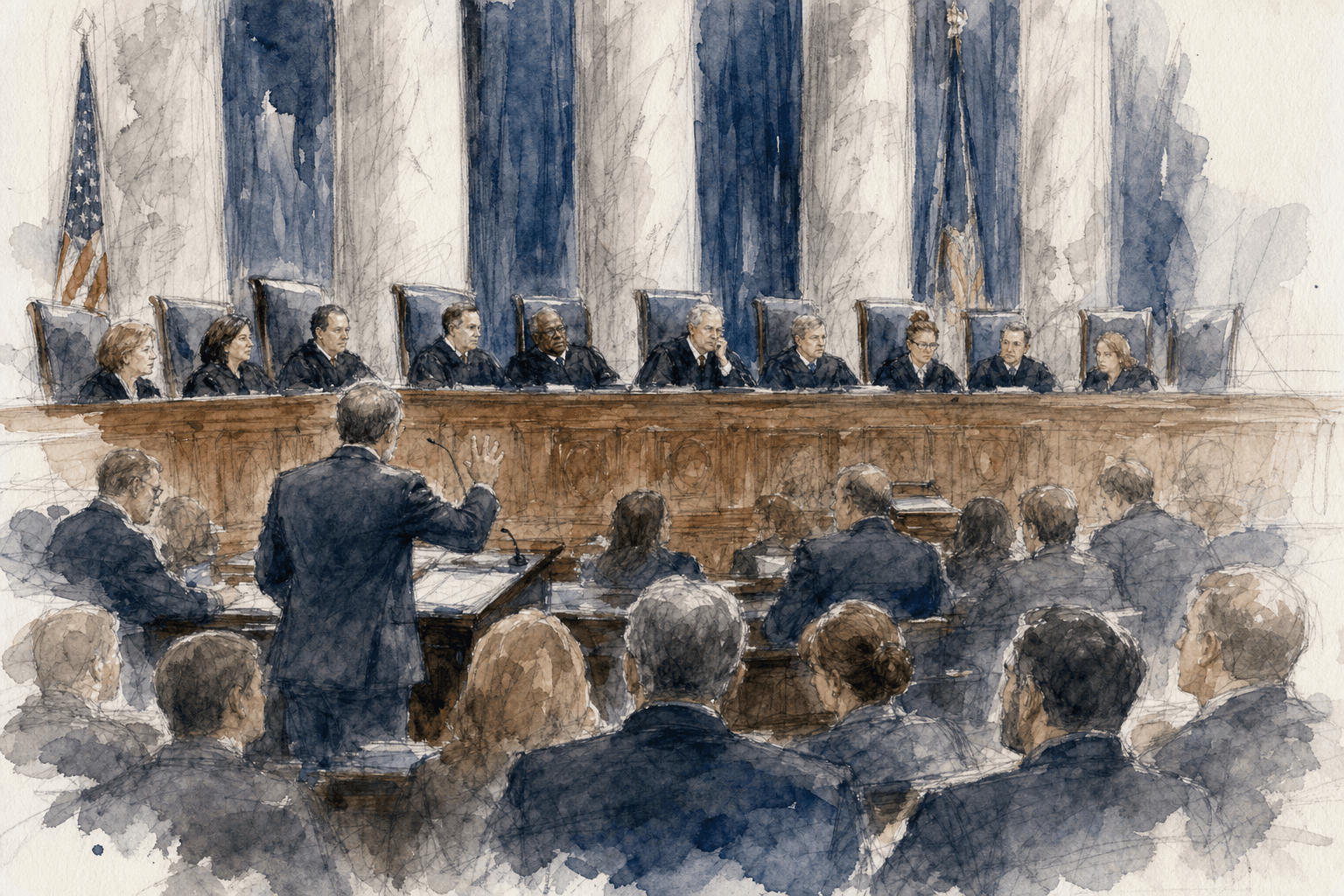
What it's about
The Supreme Court held that the usual presumption of prejudice applies in that situation because some issues may still be appealable despite the waiver.
The case applies the Sixth Amendment right to effective legal help after a criminal conviction and plea agreement.
Question presented
Does the "presumption of prejudice" recognized in Roe v. Flores-Ortega , 528 U.S. 470 (2000), apply where a criminal defendant instructs his trial counsel to file a notice of appeal but trial counsel decides not to do so because the defendant's plea agreement included an appeal waiver?
What the Court decided
Holding
Flores-Ortega’s presumption of prejudice applies regardless of whether a defendant has signed an appeal waiver. 162 Idaho 791, 405 P. 3d 576, reversed and remanded.
- Result
- Reversed
The vote
From the opinions
“In effect, this results in a “defendant-alwayswins” rule that has no basis in Roe v. Flores-Ortega , 528 U. S. 470 (2000), or our other ineffective-assistance precedents, and certainly no basis in the original meaning of the Sixth Amendment. I respectfully dissent.”
What's next
The Supreme Court has finished its work in this case. The Idaho courts must handle the case again under the Supreme Court's rule.
Documents
Docket activity
New analysis added
AI analysis generated: Case Briefing
AI analysis generated: Decision Record
Opinion added: opinion
Brief added: Petition
Show 1 moreShow fewer
Brief added: Questions Presented
More questions
- What did the Supreme Court decide in Garza v. Idaho?
- The Court said the usual assumption of harm applies when a lawyer ignores a client's request to appeal, despite an appeal waiver.
- Who won Garza v. Idaho?
- Gilberto Garza won at the Supreme Court. The Court overturned Idaho's ruling and sent the case back to the lower court (remanded).
- How did the justices split in Garza v. Idaho?
- Justice Sotomayor wrote for six justices. Justice Thomas disagreed, with Justice Gorsuch joining and Justice Alito joining parts of the dissent.
- What happens next in Garza v. Idaho?
- The Idaho courts must reconsider Garza's case using the Supreme Court's rule. The Supreme Court's docket action is complete.
Sources
Primary materials plus reporting. Best-effort analysis: this explainer relies on a mix of primary materials and trusted secondary sources. Official filings and opinions remain authoritative.