Rosales-Mireles v. United States
In brief
A Guidelines miscalculation that affects substantial rights ordinarily calls for the sentence to be vacated and reconsidered.
- Where it stands
- Decided
Decided 7-2 · June 18, 2018 · Opinion by Justice Sotomayor
- What it’s about
- Florencio Rosales-Mireles pleaded guilty to illegal reentry, but his sentencing range was miscalculated due to an error in his criminal history score.
- Who it affects
- The decision makes it easier for people sentenced under a wrongly calculated Guidelines range to obtain correction on appeal.
Summary: written with AI from the case record.
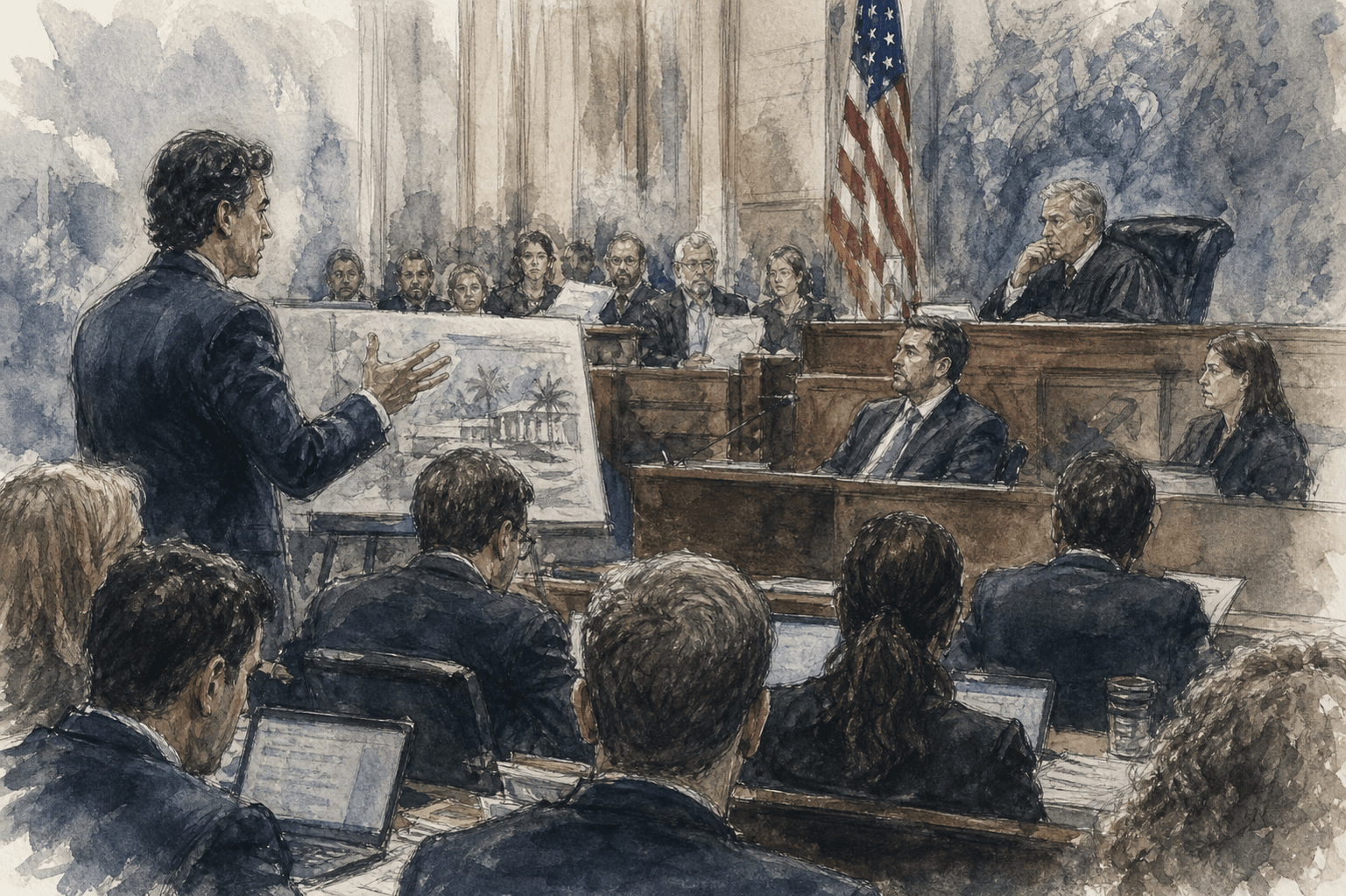
What it's about
The Supreme Court ruled that such a plain error affecting a defendant's substantial rights generally requires an appeals court to vacate the sentence, rejecting the lower court's overly restrictive standard.
The case concerns when federal appeals courts should correct an unpreserved sentencing mistake under Rule 52(b).
Question presented
Whether the Fifth Circuit’s standard for finding “plain error” under Federal Rule of Criminal Procedure 52(b) when a defendant is sentenced under an incorrectly calculated Guidelines range—that the error must “shock the conscience”—conflicts with this Court’s decision in Molina-Martinez v. United States, 136 S. Ct. 1338 (2016).
What the Court decided
The vote
What's next
The Supreme Court has finished this case. The case returns for proceedings consistent with the Court's decision, including correction of the sentencing error.
Why it matters
For example, a defendant whose criminal-history points were counted incorrectly may be entitled to resentencing even without an objection at sentencing.
Documents
Docket activity
New analysis added
AI analysis generated: Case Briefing
Opinion added: opinion
Brief added: Questions Presented
More questions
- What did the Supreme Court rule in Rosales-Mireles v. United States?
- The Court said appeals courts generally should vacate a sentence when a plain Guidelines-calculation error affects the defendant's substantial rights.
- Who benefits from Rosales-Mireles?
- Federal defendants sentenced under an incorrectly calculated Guidelines range may benefit, including people whose criminal-history scores were miscounted.
- How does Rosales-Mireles affect sentencing appeals?
- It rejects the Fifth Circuit's unusually strict requirement that the error must “shock the conscience” before correction.
- What happens next after Rosales-Mireles?
- The case proceeds under the Supreme Court's decision, with the sentencing error to be addressed in further proceedings.
- Is the rule on correcting plain Guidelines errors still the law after Rosales-Mireles?
- Yes. Appeals courts ordinarily should correct a plain Guidelines error that affects substantial rights.
Sources
Primary materials plus reporting. Best-effort analysis: this explainer relies on a mix of primary materials and trusted secondary sources. Official filings and opinions remain authoritative.