Washington State Dept. of Licensing v. Cougar Den
In brief
The Supreme Court sided with Cougar Den and left the Washington ruling in place: Washington cannot apply this fuel tax to the company’s highway fuel imports.
- Where it stands
- Decided
Decided 5-4 · March 19, 2019 · Opinion by Justice Breyer
- What it’s about
- This case asked whether Washington could impose its fuel-import tax on Cougar Den, a Yakama-owned company that transports fuel by highway from Oregon to the Yakama Reservation.
- Who it affects
- Washington cannot impose this fuel tax on Cougar Den’s fuel imports from Oregon by public highway. The ruling concerns this tax as applied to this company’s highway fuel imports.
Summary: written with AI from the case record.
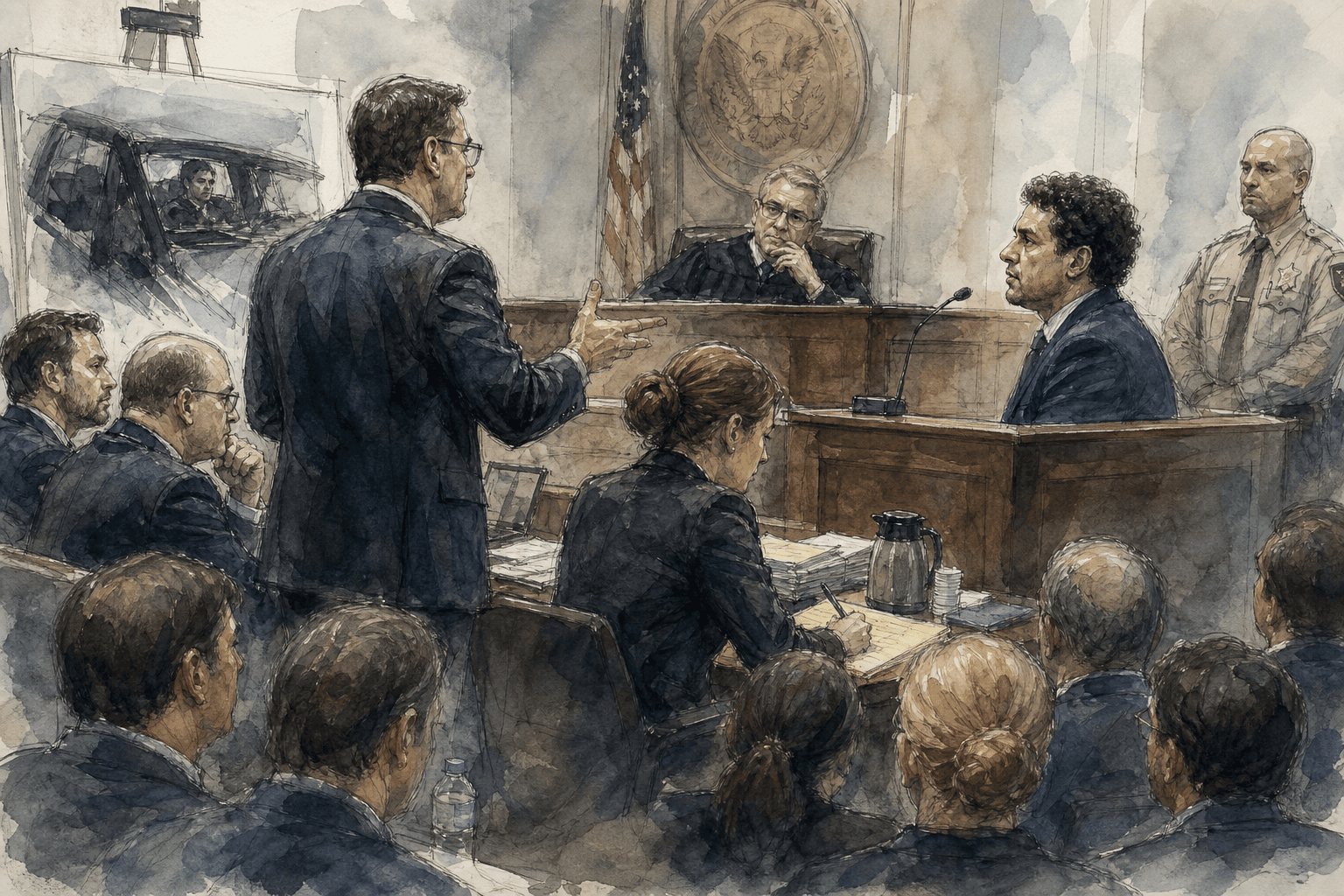
What it's about
The Supreme Court held that, as applied here, the tax was barred by an 1855 treaty protecting the Yakama Nation’s right to travel on public highways.
The case tested how an 1855 treaty promise to travel on public highways applies to modern tribal commerce and state taxation.
Question presented
Whether the Yakama Treaty of 1855 creates a right for tribal members to avoid state taxes on off-reservation commercial activities that make use of public highways.
What the Court decided
Holding
The judgment is affirmed. 188 Wash. 2d 55, 392 P. 3d 1014, affirmed. JUSTICE BREYER, joined by JUSTICE SOTOMAYOR and JUSTICE KAGAN, concluded that the 1855 treaty between the United States and the Yakama Nation pre-empts the State of Washington’s fuel tax as applied to Cougar Den’s importation of fuel by public highway.
- Result
- Affirmed
The vote
- Joined the judgment
- Concurred in a separate opinion
- Dissented
- Wrote an opinion
- Concurring · 2agreed with the result, wrote separately
- Ginsburg
- Gorsuchwrote separately
From the opinions
“The plurality agrees, concluding that Washington cannot impose the tax on Cougar Den because doing so would “have the practical effect of burdening” Cougar Den’s exercise of its right to travel on the highways.”
What's next
The Supreme Court’s action is complete. The Washington ruling remains in place, and the tax cannot be imposed on Cougar Den’s fuel brought from Oregon by highway.
Documents
Docket activity
New analysis added
AI analysis generated: Case Briefing
AI analysis generated: Decision Record
New analysis added
Opinion added: opinion
Show 1 moreShow fewer
Brief added: Questions Presented
More questions
- What did Washington State Dept. of Licensing v. Cougar Den decide?
- The Court upheld Washington’s ruling and said the 1855 Yakama treaty barred this fuel tax as applied to Cougar Den’s highway imports.
- What was Cougar Den’s argument about Washington’s tax?
- Cougar Den transported fuel from Oregon to the Yakama Reservation by public highway. It argued that the 1855 treaty protected that activity from Washington’s tax.
- How does the ruling affect Cougar Den’s fuel imports?
- Washington cannot impose this fuel tax on Cougar Den’s fuel imports from Oregon by public highway. The decision addresses this tax as applied to those imports.
- What happens next in Cougar Den?
- The Supreme Court’s action is complete. The Washington Supreme Court’s ruling remains in place.
Sources
Primary materials plus reporting. Best-effort analysis: this explainer relies on a mix of primary materials and trusted secondary sources. Official filings and opinions remain authoritative.