Ohio v. American Express
In brief
American Express won: the Supreme Court left its anti-steering contract terms in place.
- Where it stands
- Decided
Decided 5-4 · June 25, 2018 · Opinion by Justice Thomas
- What it’s about
- The Supreme Court ruled that American Express’s rules preventing merchants from steering cardholders toward cards that charged merchants less did not violate federal antitrust law.
- Who it affects
- American Express’s anti-steering contract terms remained in place under this ruling. The decision resolved this challenge to those terms under federal antitrust law.
Summary: written with AI from the case record.
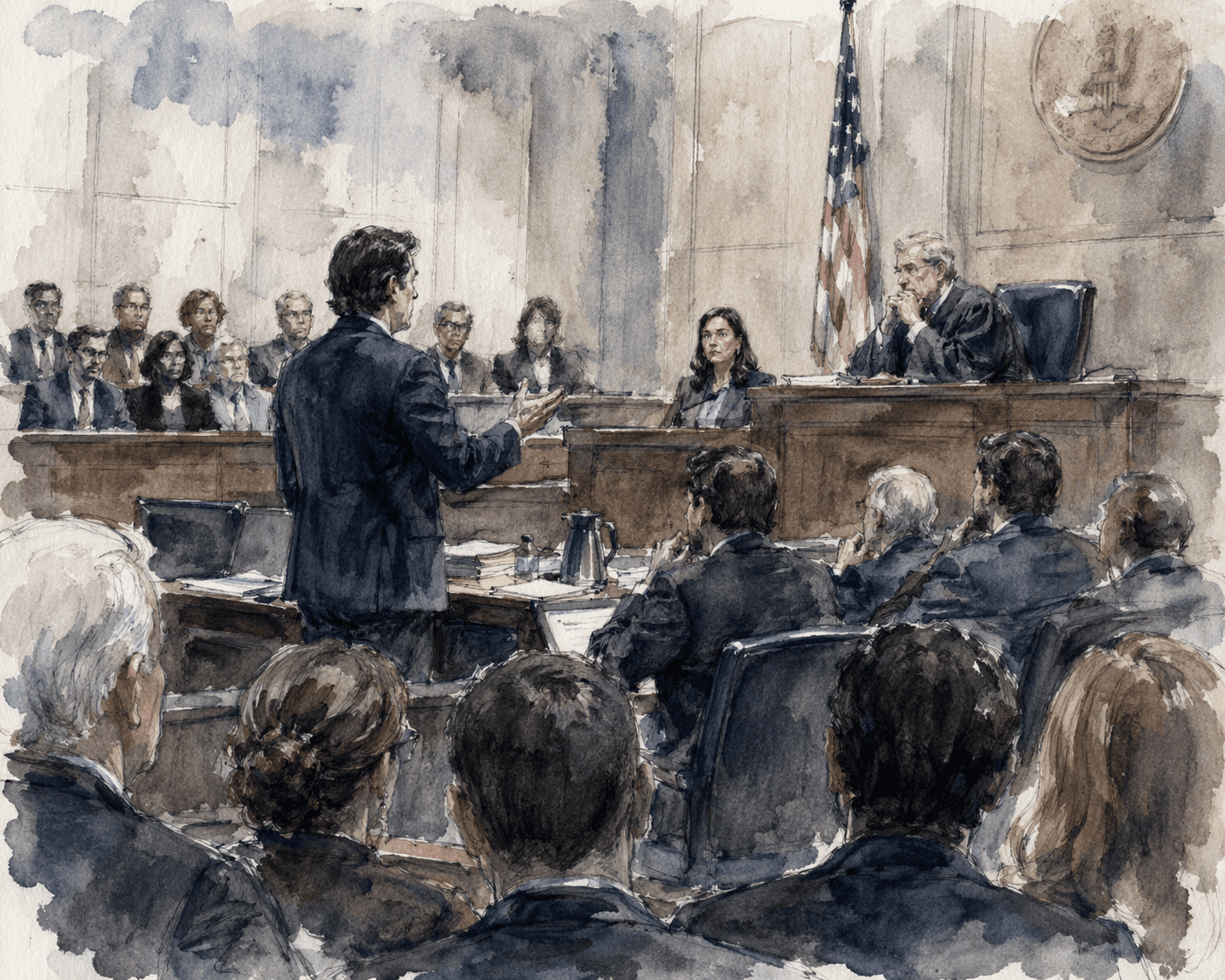
What it's about
The Court agreed with the Second Circuit (affirmed), deciding that the government had to show harm to both merchants and cardholders in this market serving both groups, but showed harm only to merchants.
The dispute concerned how antitrust law’s “rule of reason,” a test that weighs a practice’s effects on competition, applies to two-sided credit-card businesses.
Question presented
Under the "rule of reason," did the Government's showing that Amex's anti-steering provisions stifled price competition on the merchant side of the credit- card platform suffice to prove anticompetitive effects and thereby shift to Amex the burden of establishing any procompetitive benefits from the provisions?
What the Court decided
Holding
Amex’s antisteering provisions do not violate federal antitrust law. 838 F. 3d 179, affirmed.
- Result
- Affirmed
The vote
From the opinions
“This lawsuit is emblematic of the American approach.”
What's next
The Supreme Court has finished this case. The Second Circuit’s ruling remains in place.
Documents
Docket activity
New analysis added
AI analysis generated: Impact Analysis
AI analysis generated: Opinion Summary
Case data updated: summary, question_presented, generation_metadata
New analysis added
Show 5 moreShow fewer
AI analysis generated: Case Briefing
AI analysis generated: Decision Record
New analysis added
Opinion added: opinion
Brief added: Questions Presented
More questions
- What did Ohio v. American Express Co. decide?
- The Court upheld the ruling for American Express. It said the company’s anti-steering provisions do not violate federal antitrust law.
- Who won the American Express case?
- American Express won. The Court left in place the lower court ruling that rejected the antitrust challenge.
- How did the justices vote in the American Express case?
- The Court ruled 5-4. Justice Thomas wrote the majority opinion, while Justice Breyer wrote for the four dissenting justices.
- What happens next after the American Express decision?
- The Supreme Court has completed its work on this docket. The lower court ruling remains in effect.
Sources
Primary materials plus reporting. Best-effort analysis: this explainer relies on a mix of primary materials and trusted secondary sources. Official filings and opinions remain authoritative.