Byrd v. United States
In brief
Being left off the rental agreement alone was not enough to defeat Byrd's privacy claim, but the Court wiped out the lower court's ruling and sent the case back for more proceedings (vacated and remanded).
- Where it stands
- Decided
Decided 9-0 · May 14, 2018 · Opinion by Justice Kennedy
- What it’s about
- This case is about whether police may search a rental car without a warrant when the driver has the renter’s permission to use the car but is not listed on the rental agreement.
- Who it affects
- The Supreme Court left the Government's probable-cause argument (whether police had a reasonable legal basis to search) for the Third Circuit, which can also consider other facts about Byrd's ability to challenge it.
Summary: written with AI from the case record.
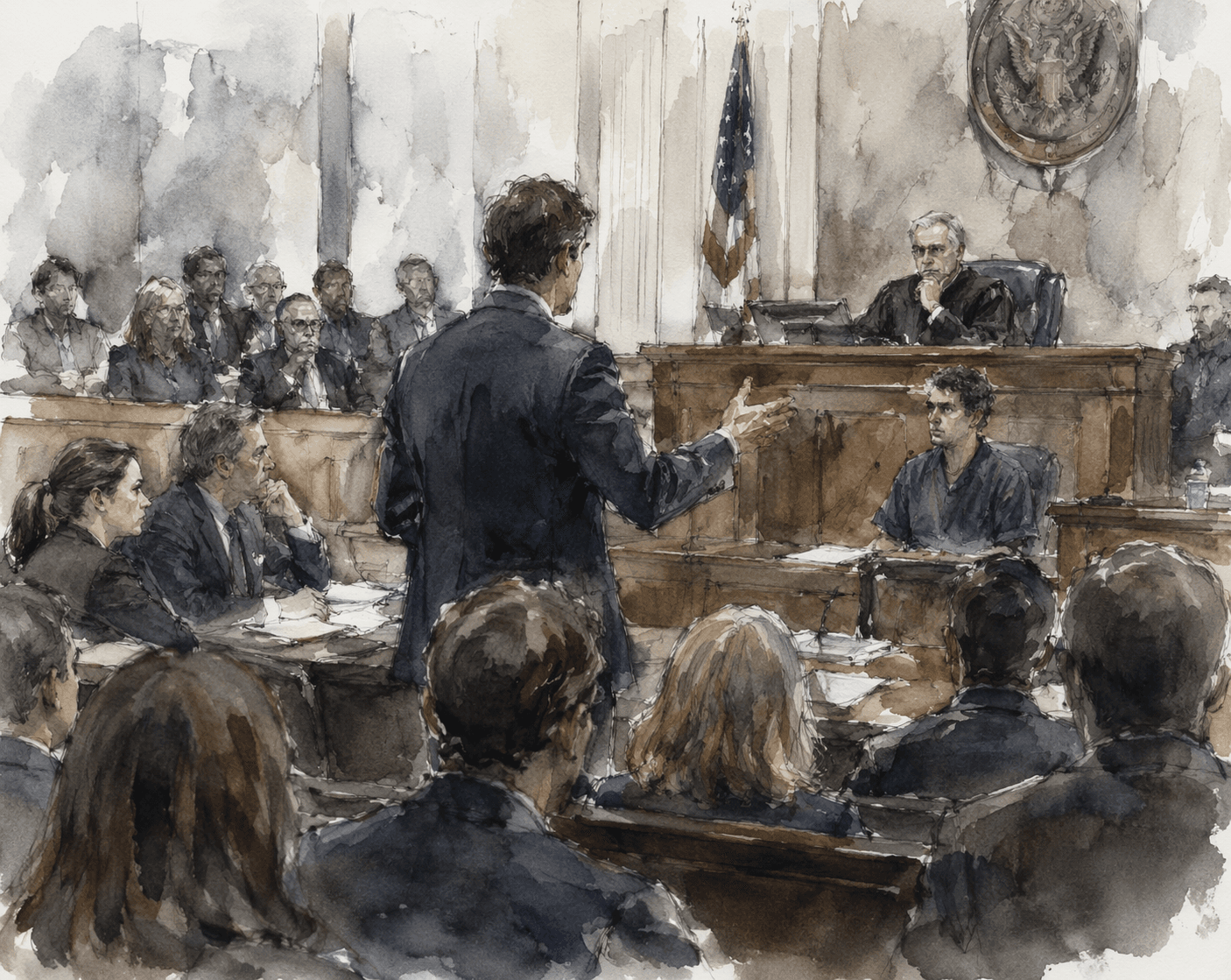
What it's about
The Court held that being left off the rental contract alone does not take away an otherwise reasonable expectation of privacy in the car.
It is part of broader Fourth Amendment rules—the Constitution's protection against unreasonable searches—about when someone may object to a police search of property rented by someone else.
Question presented
Does a driver have a reasonable expectation of privacy in a rental car when he has the renter's permission to drive the car but is not listed as an authorized driver on the rental agreement?
What the Court decided
Holding
1. The mere fact that a driver in lawful possession or control of a rental car is not listed on the rental agreement will not defeat his or her otherwise reasonable expectation of privacy. 2. Also left for remand is the Government’s argument that, even if Byrd had a right to object to the search, probable cause justified it in any event. The Third Circuit did not reach this question because it concluded, as an initial matter, that Byrd lacked a reasonable expectation of privacy in the rental car. That court has discretion as to the order in which the remanded questions are best addressed. Pp. 13– 14. 679 Fed. Appx. 146, vacated and remanded.
- Result
- Vacated
The vote
What's next
The Third Circuit will take the case back and decide the remaining questions. It may address the Government's probable-cause argument or resolve the appeal on another appropriate ground.
Why it matters
The Supreme Court did not decide whether this particular search was lawful.
Documents
Docket activity
New analysis added
AI analysis generated: Case Briefing
AI analysis generated: Decision Record
New analysis added
New analysis added
Show 2 moreShow fewer
Opinion added: opinion
Brief added: Questions Presented
More questions
- What did Byrd v. United States decide about rental-car privacy?
- The Court said omitting a driver lawfully using the rental car from the agreement does not alone erase a reasonable privacy expectation.
- Did the Supreme Court decide whether police searched Byrd's car lawfully?
- No. It left the Government's claim that probable cause justified the search unresolved and sent the case back to the Third Circuit.
- What remains unresolved in Byrd?
- The Third Circuit can consider the probable-cause question and other facts bearing on Byrd's ability to challenge the search.
- What happens next in Byrd's case?
- The Third Circuit will take the case back and decide the remaining questions or another appropriate ground for resolving the appeal.
Sources
Primary materials plus reporting. Best-effort analysis: this explainer relies on a mix of primary materials and trusted secondary sources. Official filings and opinions remain authoritative.