Currier v. Virginia
In brief
The Supreme Court left Currier’s conviction and the Virginia Supreme Court’s judgment in place.
- Where it stands
- Decided
Decided 5-4 · June 22, 2018 · Opinion by Justice Kennedy
- What it’s about
- Michael Currier agreed to try his burglary and grand-larceny charges separately from a firearm-possession charge, and a jury acquitted him of the first two charges.
- Who it affects
- The decision left Currier’s Virginia judgment in place. It resolved his claim that the first jury’s acquittals should have blocked the later firearm trial.
Summary: written with AI from the case record.
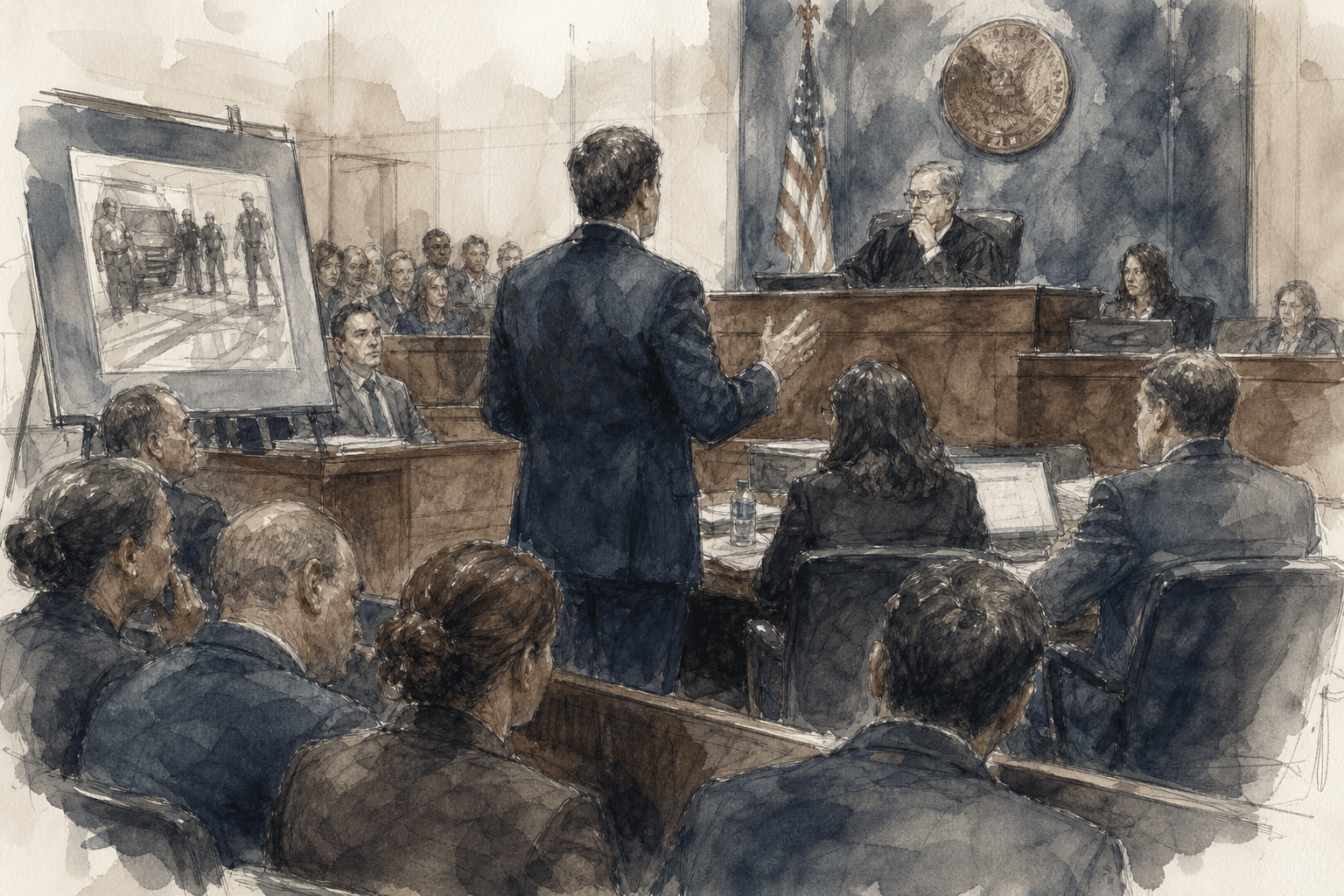
What it's about
The Supreme Court upheld Virginia’s judgment in a 5–4 decision, deciding that his agreement to separate the charges meant the Double Jeopardy Clause did not bar the second trial and conviction.
Virginia generally separates a felon-in-possession charge from other charges to keep evidence of a prior conviction from reaching the jury on those other charges.
Question presented
Whether a defendant who consents to severance of multiple charges into sequential trials loses his right under the Double Jeopardy Clause to the issue - preclusive effect of an acquittal.
What the Court decided
Holding
The judgment is affirmed. 292 Va. 737, 798 S. E. 2d 164, affirmed.
- Result
- Affirmed
The vote
From the opinions
“He argued that the jury acquittals of breaking and entering and grand larceny established definitively and with finality that he had not participated in the alleged criminal episode.”
What's next
The Supreme Court has finished this case. The Virginia judgment remains in place.
Documents
Docket activity
New analysis added
AI analysis generated: Impact Analysis
AI analysis generated: Opinion Summary
Case data updated: summary, question_presented, generation_metadata
New analysis added
Show 4 moreShow fewer
AI analysis generated: Case Briefing
AI analysis generated: Decision Record
Opinion added: opinion
Brief added: Questions Presented
More questions
- What did the Supreme Court do in Currier v. Virginia?
- The Court upheld the Virginia Supreme Court’s ruling. That left Currier’s state-court judgment in place.
- What was Currier’s main argument?
- Currier said his earlier acquittals settled that he did not take part in the alleged episode. He argued that the later firearm trial was barred.
- How did the justices divide in Currier’s case?
- Justice Gorsuch wrote the main opinion, with different groups joining different parts. Justice Ginsburg disagreed, joined by Breyer, Sotomayor, and Kagan.
- What happens next for Currier?
- The Supreme Court has completed its review. Its decision leaves the Virginia Supreme Court’s judgment in effect.
Sources
Primary materials plus reporting. Best-effort analysis: this explainer relies on a mix of primary materials and trusted secondary sources. Official filings and opinions remain authoritative.