Republic of Sudan v. Harrison
In brief
Sudan won the Supreme Court fight over the mailing method because the papers had to be sent directly to its foreign minister's office in Sudan.
- Where it stands
- Decided
Decided 8-1 · March 26, 2019 · Opinion by Justice Alito
- What it’s about
- The Supreme Court overturned the Second Circuit’s ruling and sent the case back to the lower court (remanded), deciding that the Foreign Sovereign Immunities Act requires legal papers to be mailed directly to Sudan’s foreign minister’s office in Sudan.
- Who it affects
- People suing a foreign government under this law cannot use mail addressed to its foreign minister through that government's embassy in Washington, D.C. The ruling concerns whether Sudan was properly served with court papers in the USS Cole bombing case.
Summary: written with AI from the case record.
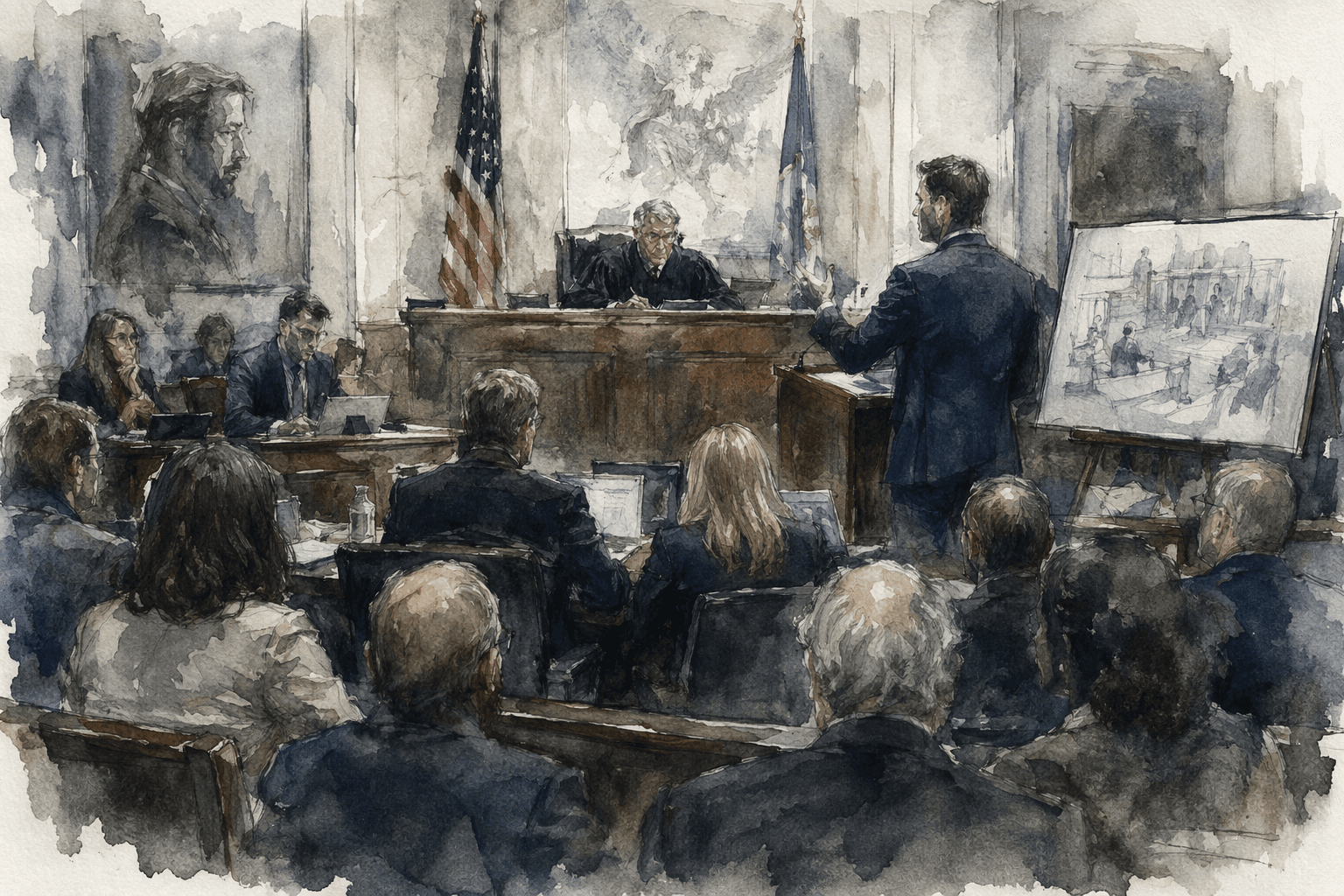
What it's about
The dispute concerned whether plaintiffs could instead mail the papers through Sudan’s embassy in Washington, D.C., in a case involving a $314 million default judgment against Sudan.
The case balanced a U.S. law on serving foreign governments against protections for diplomatic missions under the Vienna Convention.
Question presented
Whether the Second Circuit erred by holding - in direct conflict with the D.C., Fifth, and Seventh Circuits and in the face of an amicus brief from the United States - that plaintiffs suing a foreign state under the Foreign Sovereign Immunities Act may serve the foreign state under 28 U.S.C § 1608(a)(3) by mail addressed and dispatched to the head of the foreign state's ministry of foreign affairs "via" or in "care of” the foreign state's diplomatic mission in the United States, despite U.S. obligations under the Vienna Convention on Diplomatic Relations to preserve mission inviolability.
What the Court decided
Holding
Most naturally read, §1608(a)(3) requires a mailing to be sent directly to the foreign minister’s office in the foreign state. 802 F. 3d 399, reversed and remanded.
- Result
- Reversed
The vote
From the opinions
“This bright-line rule may be attractive from a policy perspective, but the FSIA neither specifies nor precludes the use of any particular address.”
What's next
The case returns to the lower court for further proceedings under the Supreme Court's rule on service. The Supreme Court did not resolve the underlying claims in this ruling.
Documents
Docket activity
New analysis added
AI analysis generated: Impact Analysis
New analysis added
AI analysis generated: Opinion Summary
Case data updated: summary, question_presented, generation_metadata
Show 6 moreShow fewer
New analysis added
AI analysis generated: Case Briefing
AI analysis generated: Decision Record
New analysis added
Opinion added: opinion
Brief added: Questions Presented
More questions
- What did the Supreme Court decide in Republic of Sudan v. Harrison?
- The Court overturned the Second Circuit's ruling. It said the statute requires mailing court papers directly to the foreign minister's office in the foreign country.
- How did the Court vote in the Sudan case?
- Justice Alito's opinion had eight votes. Justice Thomas was the only dissenting justice.
- What was wrong with the mailing to Sudan's embassy?
- The Court said sending papers through Sudan's embassy in Washington did not meet this service rule. The mailing had to go directly to the foreign minister's office in Sudan.
- Did the Court decide the underlying USS Cole claims?
- No. The ruling addressed the method used to deliver court papers to Sudan, not the underlying claims.
- What happens next in Republic of Sudan v. Harrison?
- The lower court will handle the case after the Supreme Court sent it back (remanded). It must apply the Court's rule on service.
Sources
Primary materials plus reporting. Best-effort analysis: this explainer relies on a mix of primary materials and trusted secondary sources. Official filings and opinions remain authoritative.