No. 25-885October Term 2025DismissedUpdated Sep 5, 2026
United States v. Carter
Case status
Where it stands
The case ended without a full Supreme Court ruling on the merits.
What it's about
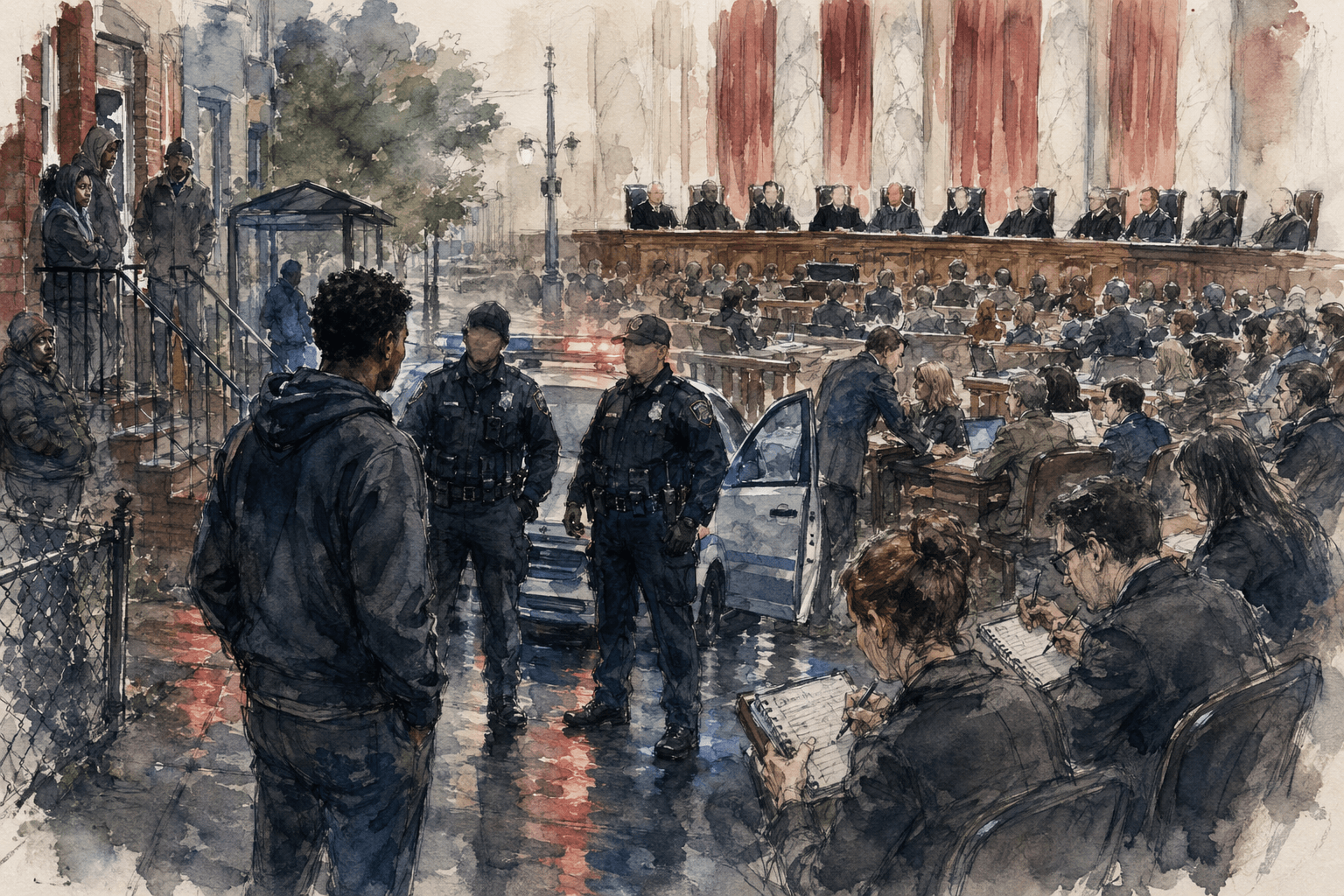
This case concerned whether, in deciding if police conduct amounted to a Fourth Amendment seizure, a court may consider perceptions of law enforcement that it attributes to the defendant’s racial group. The Supreme Court dismissed the case without deciding that question.
Question presented
Whether perceptions of law enforcement that a court attributes to a particular racial group are a relevant factor in the Fourth Amendment analysis of whether a member of that group has been seized.
What the Court decided
Holding
The Supreme Court dismissed United States v. Carter without resolving whether race-attributed perceptions of police matter in the seizure analysis.
Why it matters
The question could affect people who say a police encounter was so coercive that they were not free to leave. For example, it concerns whether a court may weigh group-based perceptions of police when assessing that encounter.
The dispute concerns how courts determine when an interaction with police becomes a seizure under the Fourth Amendment.
Documents
Opinions
Key filings
Related cases
 Geofence warrantsOkello T. Chatrie, Petitioner v. United StatesDecided25-112Decided
 Munson P. Hunter, III, Petitioner v. United StatesDecided24-1063Decided
 Ahmad Abouammo v. United StatesDecided25-5146Decided
 Terry Pitchford, Petitioner v. Burl Cain, Commissioner, Mississippi Department of Corrections, et al.Decided24-7351
Docket activity
AI analysis generated: Case Briefing
Opinion added: Opinion
Brief added: Petition
More questions
- What is at stake in United States v. Carter?
- The case concerned whether courts may consider perceptions of police attributed to a racial group when deciding whether someone was seized.
- Who could be affected by the question in Carter?
- People challenging police encounters under the Fourth Amendment could be affected, especially when they argue they were not free to leave.
- What happens next in United States v. Carter?
- The Supreme Court dismissed the case without deciding the question. No Supreme Court decision window is identified.
Sources
Primary materials plus reporting. Best-effort analysis: this explainer relies on a mix of primary materials and trusted secondary sources. Official filings and opinions remain authoritative.