No. 25-7437October Term 2025Petition PendingUpdated Sep 3, 2026
Zytrell Montae Horton v. United States
Case status
Where it stands
Awaiting an order on the petition
- Next
- No decision timeline until the Court agrees to hear the case.
What it's about
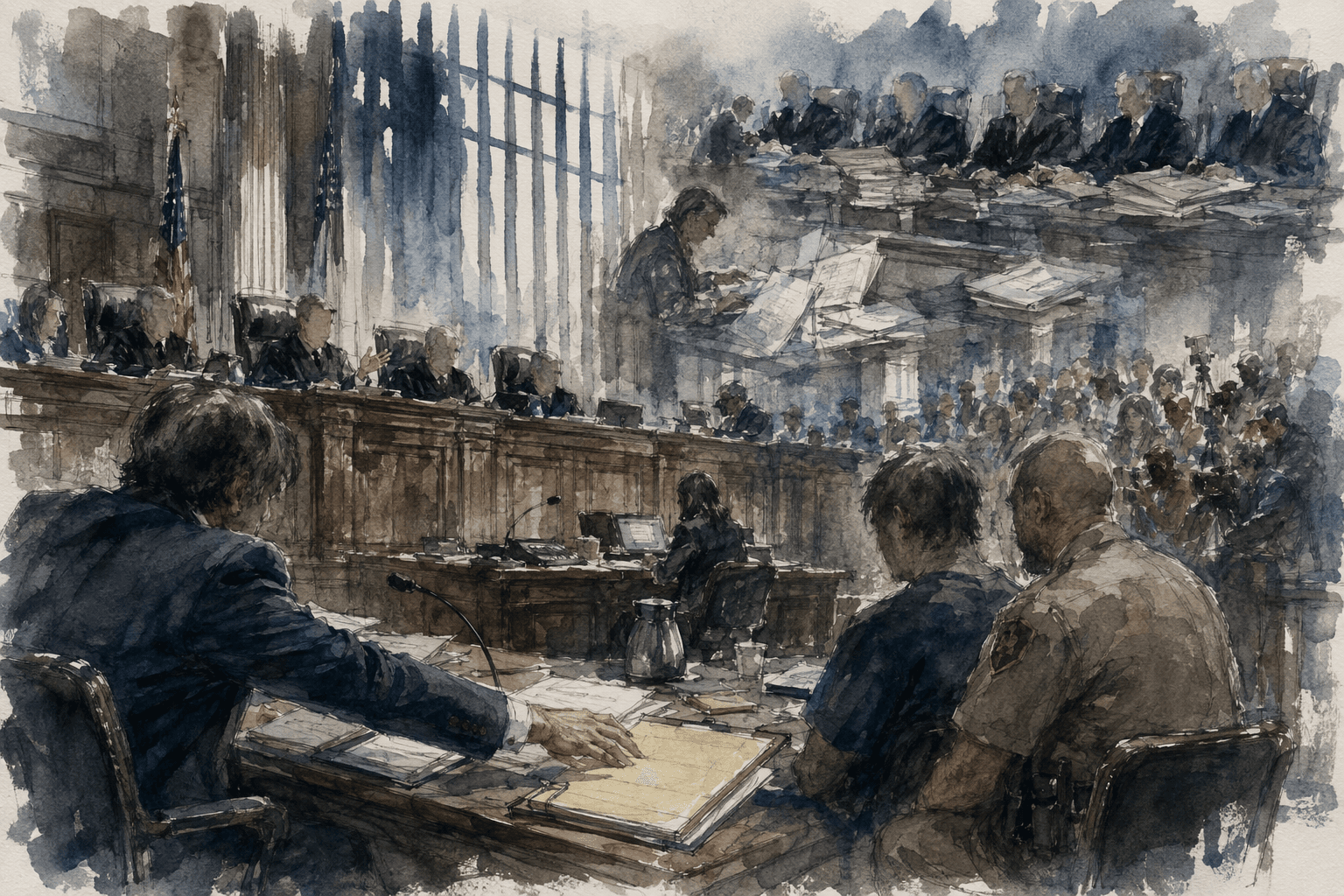
Zytrell Montae Horton asks the Supreme Court to review a Fifth Circuit decision affirming his 224-month above-guidelines federal sentence. He argues that the sentencing court gave only a formulaic statement of the sentencing factors and did not adequately explain the large increase, while the Fifth Circuit held that he had not shown the error affected his sentence.
Question presented
When a district court imposes a 224-month upward variance with no explanation beyond a rote recitation of statutory sentencing factors, and a court of appeals concedes that explanation was clear error, may the court of appeals nonetheless affirm by requiring the defendant to prove his sentence would have been different—a showing made impossible by the very absence of explanation that constitutes the error?
What happens next
The Court may decide whether to hear the case. Watch for an order or an oral-argument scheduling move; no decision window is available yet.
Why it matters
The case could affect defendants who receive major sentence increases without a tailored explanation. For example, a person challenging an above-guidelines sentence may face difficulty showing harm when the judge did not explain the increase.
Federal sentencing law generally requires judges to explain their sentencing decisions using statutory factors.
Case file
- Docket
- 25-7437
- Status
- Petition Pending
- From
- United States Court of Appeals for the Fifth Circuit
- Issue
- Documents
- 1
Documents
Related cases
 Geofence warrantsOkello T. Chatrie, Petitioner v. United StatesDecided25-112Decided
 Munson P. Hunter, III, Petitioner v. United StatesDecided24-1063Decided
 Ahmad Abouammo v. United StatesDecided25-5146Decided
 Terry Pitchford, Petitioner v. Burl Cain, Commissioner, Mississippi Department of Corrections, et al.Decided24-7351
Docket activity
AI analysis generated: Case Briefing
Brief added: Petition
More questions
- What is at stake in Horton v. United States?
- The case asks whether a defendant must prove a missing sentencing explanation changed the result before an appeals court will order relief.
- Who could be affected by this sentencing dispute?
- Federal defendants given above-guidelines sentences could be affected, especially when trial judges give only general reasons for a large increase.
- What happens next in Horton v. United States?
- The Supreme Court will decide whether to hear the petition. Oral argument has not yet been scheduled.
Sources
Primary materials plus reporting. Best-effort analysis: this explainer relies on a mix of primary materials and trusted secondary sources. Official filings and opinions remain authoritative.