No. 25-6846October Term 2025DismissedUpdated Sep 5, 2026
Tony Terrell Clark v. Mississippi
Case status
Where it stands
The case ended without a full Supreme Court ruling on the merits.
What it's about
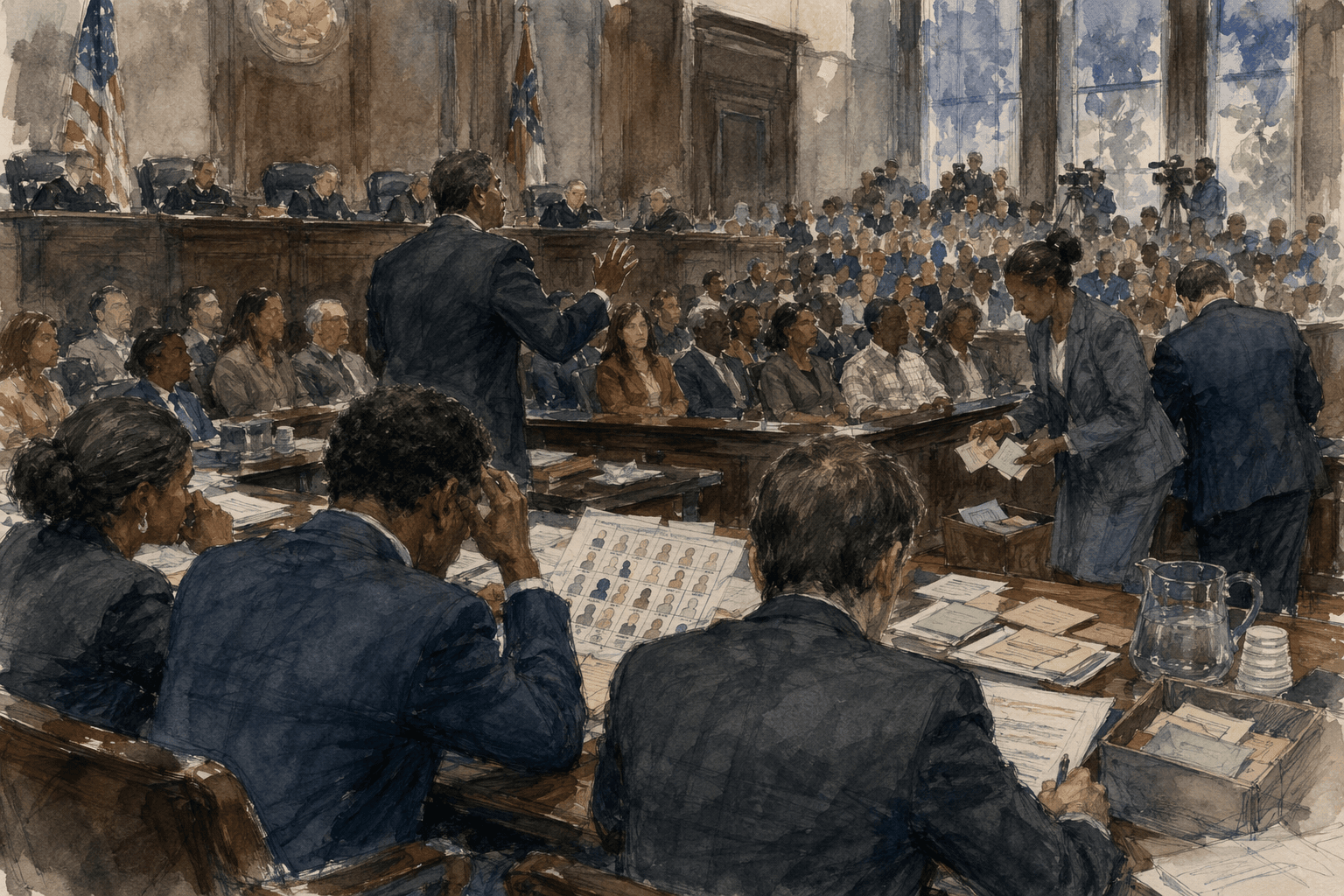
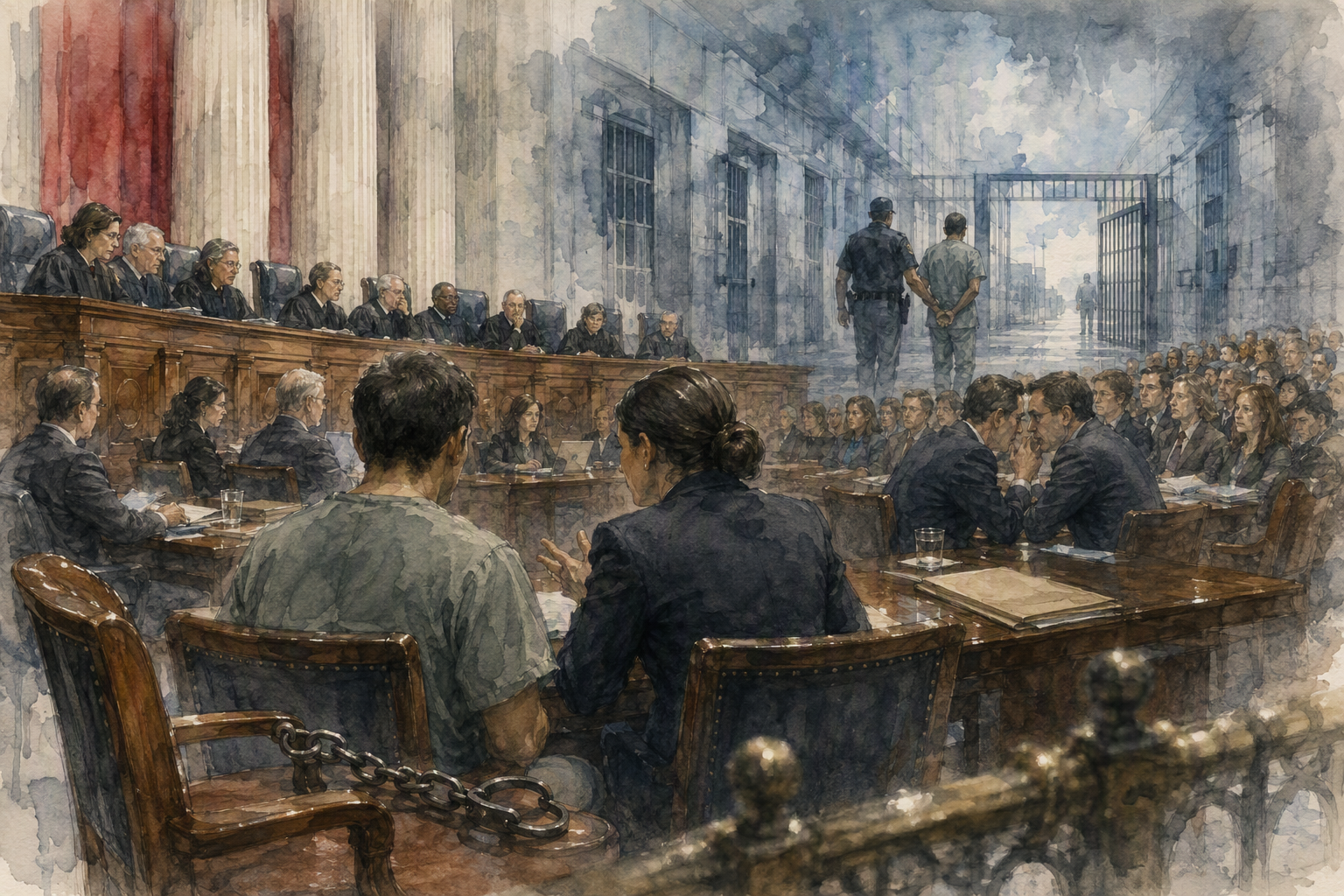
Clark’s petition challenged the Mississippi Supreme Court’s rejection of his claim that trial counsel was ineffective in handling Batson objections to the prosecution’s peremptory strikes of Black prospective jurors in his capital trial. The U.S. Supreme Court dismissed the case without deciding those claims.
Question presented
1. Whether a post- conviction petitioner must prove a successful Batson challenge would change the outcome of the trial to show Strickland prejudice? 2. Whether the Mississippi Supreme Court violated due process by holding trial counsel waived Clark’s Batson rebuttal arguments, rendering him ineffective, but then refused to review Clark’s ineffective assistance claim on post - conviction?
What the Court decided
Holding
The Supreme Court dismissed Clark’s case without deciding his claims about jury selection, lawyer performance, or due process.
Why it matters
The questions concern how people convicted in capital cases can challenge a lawyer’s failure to properly raise claims of racial discrimination in jury selection. For Clark, the Supreme Court will not decide his ineffective-assistance claim.
The case connects protections against race-based jury selection with the standards defendants must meet when claiming their lawyer’s errors harmed their case.
Case file
Documents
Related cases
 In Re Ryan P. GiveyDismissed25-6881Dismissed
 In Re Patrick Starzenski, PetitionerDismissed25-7296Dismissed
 In Re Gurjot Singh Dhaliwal, PetitionerDismissed25-7502Dismissed
 Kenneth Genalo, Director of the New York Field Office of U.S. Immigration and Customs Enforcement v. Carol Williams BlackDismissed25-886
Docket activity
AI analysis generated: Case Briefing
Opinion added: Opinion
Brief added: Petition
Court Order added: Lower Court Orders/Opinions
More questions
- What is at stake in Clark v. Mississippi?
- Clark asked whether a defendant must show a lawyer’s Batson error changed the trial result. He also challenged Mississippi’s treatment of his ineffective-assistance claim.
- Who could be affected by the issues in Clark’s case?
- Capital defendants alleging race-based jury selection and ineffective legal help could be affected. The questions concern how such claims are evaluated after conviction.
- What happens next in Clark v. Mississippi?
- The Supreme Court dismissed the case without deciding the claims. No oral argument or merits decision is expected.
Sources
Primary materials plus reporting. Best-effort analysis: this explainer relies on a mix of primary materials and trusted secondary sources. Official filings and opinions remain authoritative.