Religious practice during executions
Ramirez v. Collier
In brief
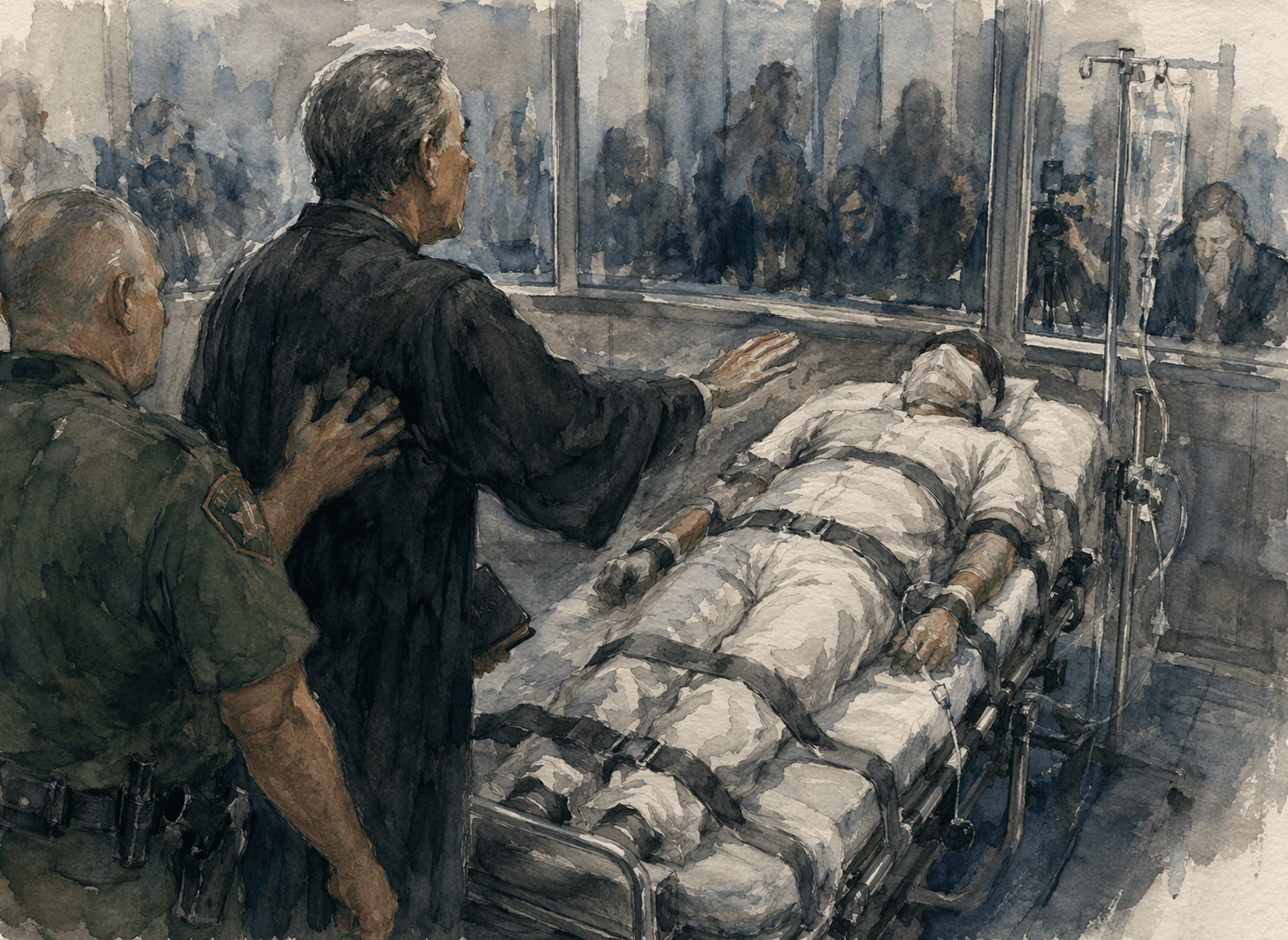
Texas could not enforce its ban on Ramirez's pastor praying aloud and laying hands on him without meeting RLUIPA's demanding standard.
- Where it stands
- Decided
Decided 8-1 · March 24, 2022 · Opinion by Justice Kavanaugh
- What it’s about
- The Court ruled 8–1 for John Ramirez, holding that he was likely to succeed under RLUIPA because Texas’s ban on his pastor praying aloud and laying hands on him in the execution chamber substantially burdened his religious exercise.
- Who it affects
- States must justify restrictions on religious practices during executions when those limits substantially burden a prisoner's faith. For example, a prisoner seeking spoken prayer or physical spiritual support from a pastor may receive greater protection.
Summary: written with AI from the case record.
What it's about
Texas did not show that these restrictions were the least restrictive way to protect its compelling interests, so the Court reversed and sent the case back to the lower court.
The case addresses how states balance execution-chamber security with prisoners' religious-exercise rights.
Question presented
1. Under the Free Exercise Clause and Religious Land Use and Institutionalized Persons Act (“RLUIPA”), 42 U.S.C. §§ 2000cc–2000cc–5 (2000), does the State’s decision to allow Ramirez’s pastor to enter the execution chamber, but forbidding the pastor from laying his hands on his parishioner as he dies, substantially burden the exercise of his religion, so as to require the State to justify the deprivation as the least restrictive means of advancing a compelling governmental interest? 2. Under the Free Exercise Clause and Religious Land Use and Institutionalized Persons Act (“RLUIPA”), 42 U.S.C. §§ 2000cc–2000cc–5 (2000), does the State’s decision to allow Ramirez’s pastor to enter the execution chamber, but forbidding the pastor from singing prayers, saying prayers or scripture, or whispering prayers or scripture, substantially burden the exercise of his religion, so as to require the State to justify the deprivation as the least restrictive means of advancing a compelling governmental interest?
What the Court decided
Holding
Ramirez is likely to succeed on his RLUIPA claims because Texas’s restrictions on religious touch and audible prayer in the execution chamber burden religious exercise and are not the least restrictive means of furthering the State’s compelling interests. 10 F. 4th 561, reversed and remanded.
- Result
- Reversed
The vote
- Joined the judgment
- Dissented
- Wrote an opinion
- Majority · 8joined the Court's opinion
- Dissenting · 1disagreed with the result
- Thomaswrote the dissent
What's next
The case returned to the lower court for further proceedings consistent with the Court's decision.
Documents
Docket activity
New analysis added
AI analysis generated: Impact Analysis
AI analysis generated: Opinion Summary
AI analysis generated: Decision Record
Case data updated: question_presented, extraction_metadata
Show 7 moreShow fewer
New analysis added
AI analysis generated: Case Briefing
Case data updated: summary, question_presented, generation_metadata
Case data updated: status, opinion_date
Opinion added: opinion
Brief added: Reply
Brief added: Petition
More questions
- What did the Supreme Court rule in Ramirez v. Collier?
- The Court ruled 8–1 for Ramirez and reversed the lower court. It found Texas had not justified its restrictions under RLUIPA.
- Who is affected by Ramirez v. Collier?
- Prisoners seeking religious support during executions are affected. States must better justify limits on a spiritual adviser's prayer or touch.
- What happens next in Ramirez v. Collier?
- The case returned to the lower court. That court will continue proceedings under the Supreme Court's decision.
Sources
Primary materials plus reporting. Best-effort analysis: this explainer relies on a mix of primary materials and trusted secondary sources. Official filings and opinions remain authoritative.