No. 20-60October Term 2020Decided Jan 25, 2021

Docket 20-60October Term 2020 (2020–2021)

Silver v. United States

At this stage, the central issue is whether federal law requires a clearer exchange agreement to prove bribery and how far appeals courts can go to save a conviction.

Case status

Current stage
Decided
Latest event
Decision released Jan 25, 2021
Case Accepted
Arguments
Decision ReleasedJan 25, 2021
What it's about

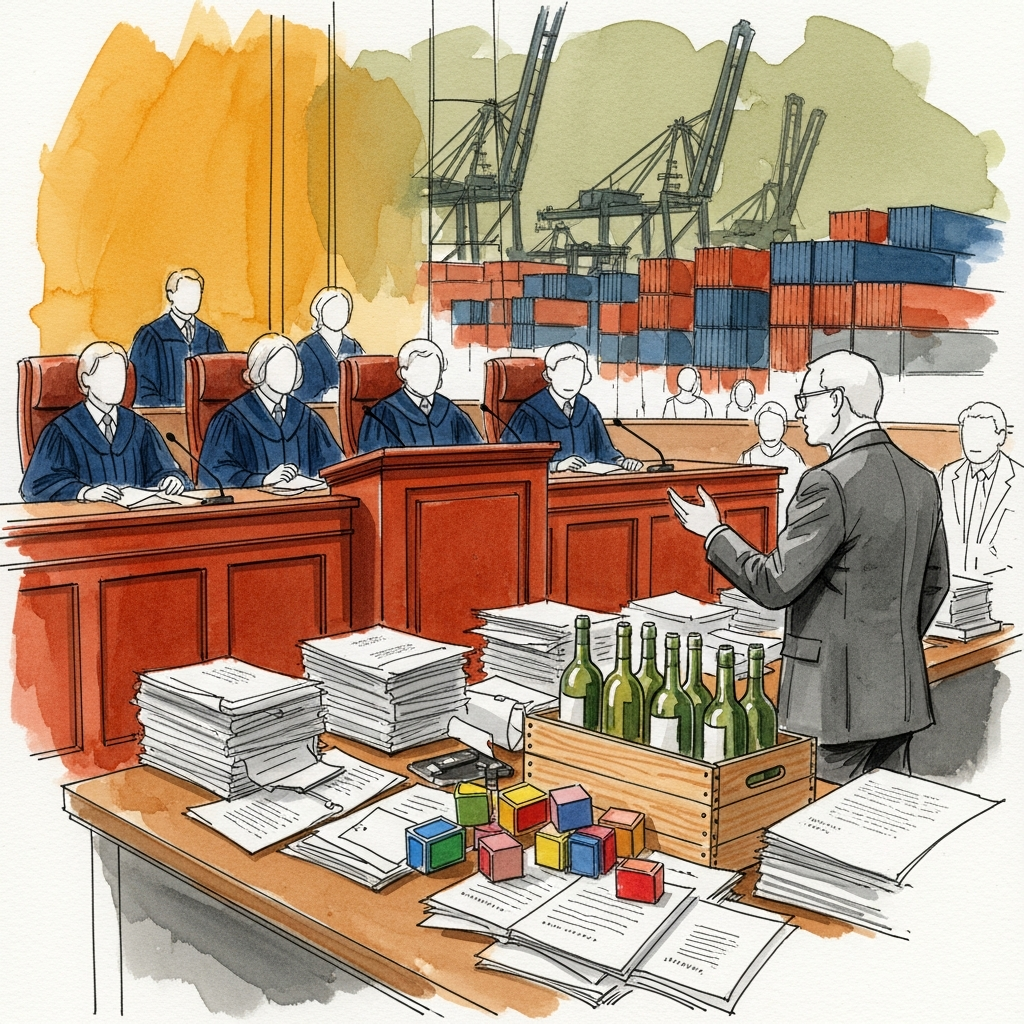
This case arises from the federal corruption prosecution of former New York Assembly Speaker Sheldon Silver. The Court is being asked to decide what the government must prove to convict a public official of bribery and Hobbs Act extortion, and whether an appeals court may uphold a conviction on harmless-error grounds that the government itself did not argue.

Question presented

1. Can a public official be convicted of bribery absent proof of an agreed exchange with the alleged bribe payor, based solely on his unexpressed, unilateral state of mind when receiving a benefit? 2. Can a conviction for Hobbs Act extortion be based on a theory of simple bribery? 3. If the Government elects not to argue harmless error, may a court of appeals raise harmless error sua sponte, without providing the defendant any opportunity to be heard on the issue?

Case path

United States Court of Appeals for the Second Circuit / Decision released Jan 25, 2021

Area

Decided Supreme Court case

Briefing

What it's about

Silver v. United States stems from the federal corruption prosecution of former New York Assembly Speaker Sheldon Silver. The case asks what prosecutors must prove to convict a public official of bribery or Hobbs Act extortion, and whether an appeals court may raise harmless error on its own when the government did not.

Vote

The case is pending, and oral argument has not been scheduled. The petition asks the Court to clarify the proof required for bribery and Hobbs Act extortion and to address whether an appeals court may raise harmless error on its own.

Impact

The answer could affect how easily federal prosecutors can win public-corruption cases against officials accused of taking benefits. It also matters for criminal defendants if appeals courts can preserve convictions using harmless error (a mistake that did not change the result) without hearing from them first.

What's next

The next milestone is a scheduling move from the Court, such as granting certiorari (agreeing to hear the case) and setting oral argument. No decision window is available yet.

What is the main fight in Silver v. United States?

The case asks whether bribery requires proof of an agreed exchange, not just an official's private intent when receiving a benefit. It also asks whether simple bribery can support Hobbs Act extortion.

Why could this case matter beyond Sheldon Silver?

It could change the proof needed in future public-corruption prosecutions of officials accused of taking benefits. It could also limit when appeals courts rescue convictions by invoking harmless error.

What should court watchers look for next in this case?

Watch for whether the Court grants certiorari and puts the case on its argument calendar. If that happens, the briefing and argument may show how the justices view federal corruption law.

Decision

Decision record

What the Court decided

At this stage, the central issue is whether federal law requires a clearer exchange agreement to prove bribery and how far appeals courts can go to save a conviction.

Impact

The answer could affect how easily federal prosecutors can win public-corruption cases against officials accused of taking benefits. It also matters for criminal defendants if appeals courts can preserve convictions using harmless error (a mistake that did not change the result) without hearing from them first.

Not official Court text.

Opinion documents

Timing

Decided January 25, 2021

The Court released its decision on January 25, 2021 without hearing oral argument.

Grounding

Grounding
Primary materials plus reporting.
Note
Best-effort analysis: this explainer relies on a mix of primary materials and trusted secondary sources. Official filings and opinions remain authoritative.
Checked
Jul 2, 2026
Primary materials7
Context reporting2