Mays v. Hines
In brief
The Supreme Court overturned the Sixth Circuit’s judgment in Mays v. Hines, but the docket record does not state the ultimate status of Hines’s conviction or sentence.
- Where it stands
- Decided
Decided · March 29, 2021 · Per curiam
- What it’s about
- This case asked whether a federal appeals court went too far in overturning Anthony Hines’s Tennessee murder conviction and death sentence on habeas review based on ineffective assistance of counsel.
- Who it affects
- The Supreme Court’s action overturned the Sixth Circuit’s judgment in this case. The docket record does not state what happens next to Hines’s conviction or death sentence.
Summary: written with AI from the case record.
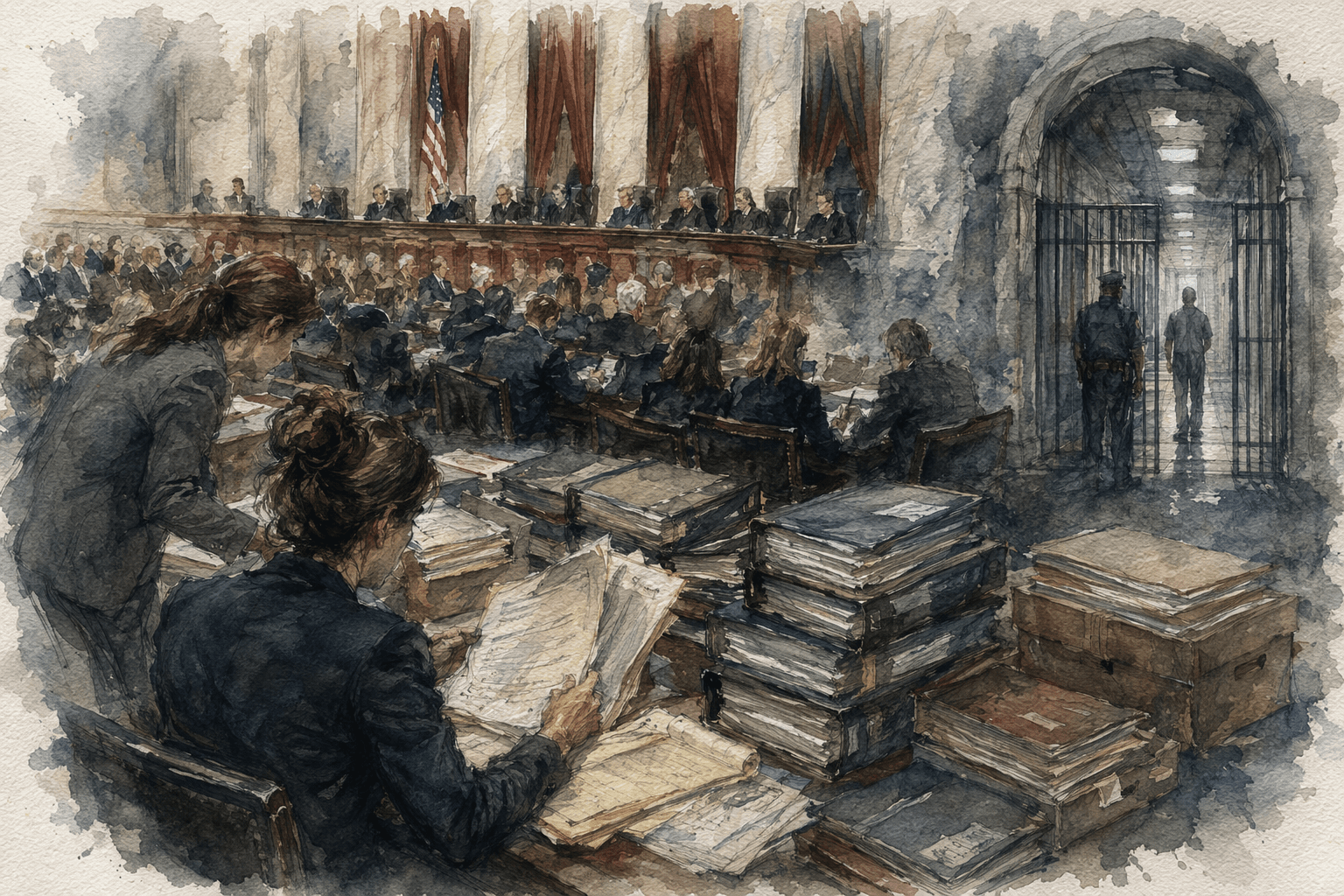
What it's about
The Supreme Court held that the Sixth Circuit improperly second-guessed the state court’s finding that Hines was not prejudiced by his lawyer’s alleged failures, despite strong evidence of guilt.
The case involved federal review of a state conviction and a claim that poor legal help harmed the defense in a death-penalty case.
Question presented
Whether the Sixth Circuit’s decision conflicts with the Court’s precedents governing claims of ineffective assistance of counsel under the Antiterrorism and Effective Death Penalty Act of 1996.
What the Court decided
Holding
Petition granted and judgment reversed. Justice Sotomayor dissents. Opinion per curiam.
- Result
- Reversed
What's next
The Supreme Court has finished this docket action. The docket record does not identify the next lower-court step or the ultimate status of Hines’s conviction and death sentence.
Documents
Opinions
Key filings
Docket activity
New analysis added
AI analysis generated: Case Briefing
AI analysis generated: Decision Record
Case data updated: status, opinion_date
Opinion added: Opinion
Show 1 moreShow fewer
Brief added: Petition
More questions
- What was Mays v. Hines about?
- It concerned whether the Sixth Circuit properly overturned Anthony Hines’s murder conviction and death sentence after he claimed his lawyer’s work was legally inadequate.
- What did the Supreme Court do in Mays v. Hines?
- It agreed to hear the case and overturned the Sixth Circuit’s judgment (reversed it).
- What remains unresolved for Anthony Hines?
- The docket record does not state the ultimate status of his conviction or death sentence after the Supreme Court overturned the Sixth Circuit’s judgment.
- What happens next in Mays v. Hines?
- The Supreme Court’s docket action is complete. The docket record does not identify the next lower-court step.
Sources
Primary materials plus reporting. Best-effort analysis: this explainer relies on a mix of primary materials and trusted secondary sources. Official filings and opinions remain authoritative.