Abu-Ali Abdur'Rahman v. Parker
In brief
The Supreme Court refused to hear Abdur'Rahman's challenge, leaving the Tennessee ruling in place without deciding the due-process question.
- Where it stands
- Decided
Decided · May 13, 2019
- What it’s about
- The Court declined to review Tennessee death-row prisoners’ due-process challenge to the State’s three-drug execution method.
- Who it affects
- The denial left the Tennessee Supreme Court's rejection in place; that court said the prisoners had not shown a proposed alternative drug was available. The Supreme Court did not decide whether the privileged-communications issue violated due process.
Summary: written with AI from the case record.
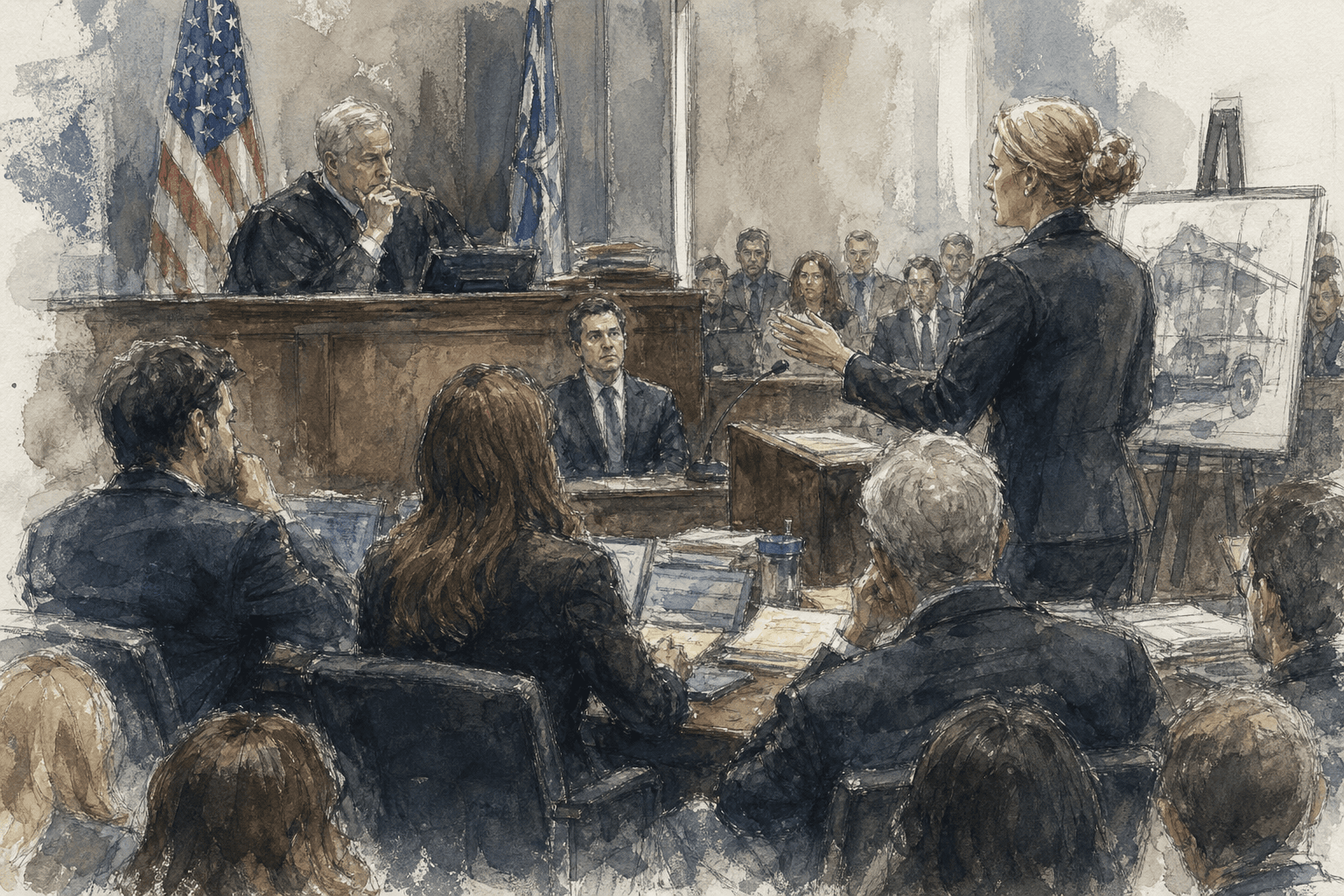
What it's about
By denying certiorari, the Court left in place the Tennessee Supreme Court’s ruling rejecting the challenge because the prisoners had not shown that a proposed alternative drug was available.
This case shows the difference between refusing Supreme Court review and deciding whether a state's execution method violates due process.
Question presented
Does a state deprive condemned prisoners of due process when, to defeat a challenge to the state’s method of execution, state officials rely on and the state courts credit testimony regarding privileged communications that the prisoners could not effectively challenge through cross-examination or otherwise because they were barred from reviewing the privileged material and from access to the witnesses covered by the privilege?
What the Court decided
Holding
Petition DENIED. Justice Sotomayor, dissenting from denial of certiorari. (Detached Opinion )
What's next
The Supreme Court has finished handling this petition. The existing Tennessee ruling remains in place, and this record shows no further Supreme Court review.
Documents
Docket activity
New analysis added
AI analysis generated: Case Briefing
AI analysis generated: Decision Record
New analysis added
Case data updated: summary, question_presented, generation_metadata
Show 3 moreShow fewer
Opinion added: Opinion
Brief added: Petition
Court Order added: Lower Court Orders/Opinions
More questions
- What did the Supreme Court do in Abdur'Rahman v. Parker?
- It denied the petition, declined Supreme Court review, and did not decide whether the prisoners' due-process challenge was valid.
- What did the Tennessee prisoners challenge?
- They challenged Tennessee's three-drug execution method, arguing that officials relied on privileged communications they could not effectively challenge.
- What remains unresolved after the denial?
- The Supreme Court did not decide whether relying on those privileged communications violated due process.
- What happened to the Tennessee ruling?
- The denial left the Tennessee Supreme Court's ruling in place. That ruling rejected the challenge because the prisoners had not shown a proposed alternative drug was available.
- What happens next in this Supreme Court case?
- The Supreme Court has finished handling this petition. The Tennessee ruling remains in place, and no further Supreme Court review is shown.
Sources
Primary materials plus reporting. Best-effort analysis: this explainer relies on a mix of primary materials and trusted secondary sources. Official filings and opinions remain authoritative.