United States v. Davis
In brief
The Court found the challenged definition unconstitutionally vague, agreed with part of the lower-court ruling (affirmed), wiped out another part (vacated), and sent the case back (remanded).
- Where it stands
- Decided
Decided 5-4 · June 24, 2019 · Opinion by Justice Gorsuch
- What it’s about
- The Supreme Court ruled that the federal law’s definition of a “crime of violence” for firearm charges is unconstitutionally vague, meaning it is too unclear to enforce under the Constitution.
- Who it affects
- The decision means the challenged definition cannot be used as written in the federal firearm provision, which can add substantial prison time for using or carrying a gun during a federal crime of violence.
Summary: written with AI from the case record.
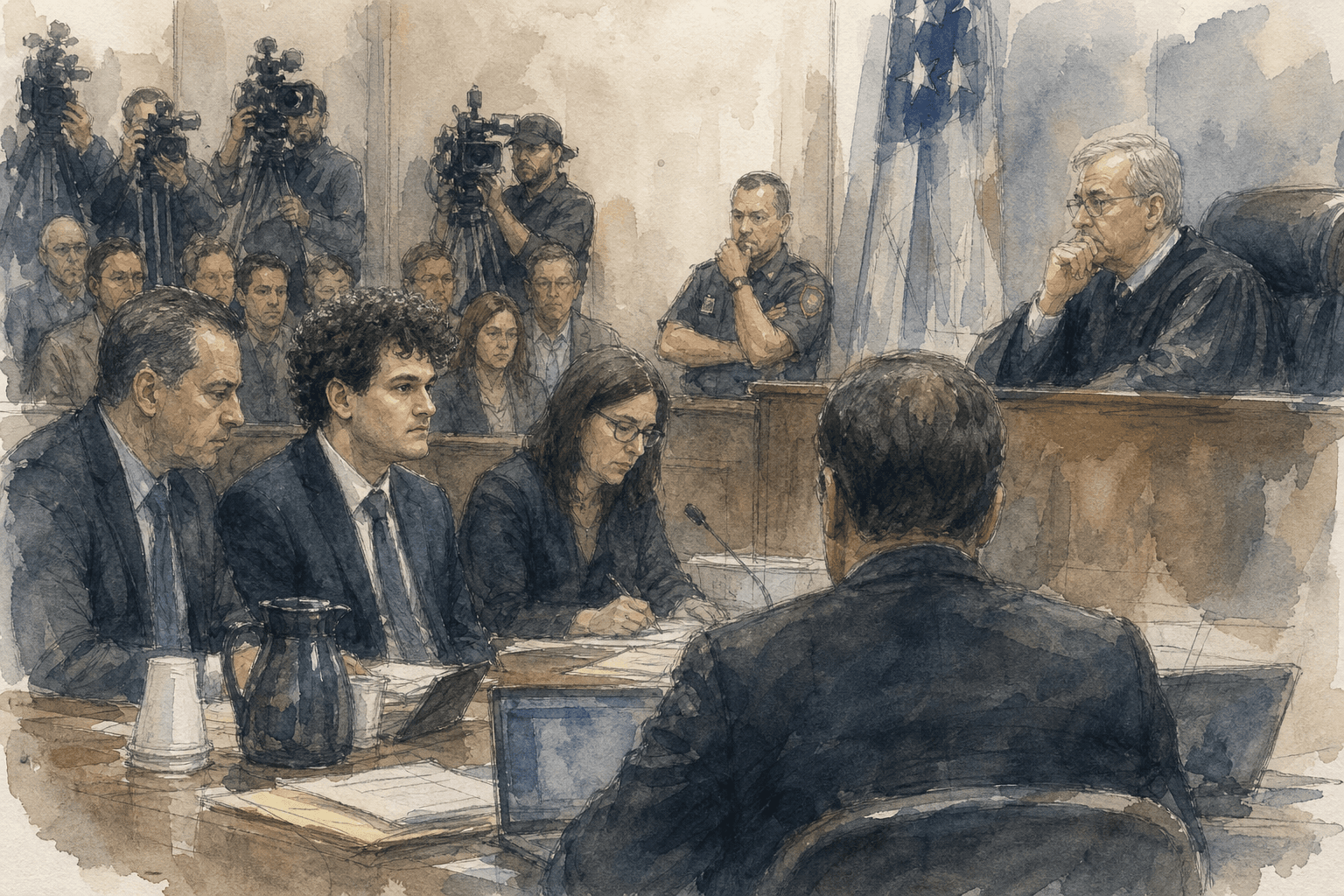
What it's about
The Court agreed with part of the Fifth Circuit’s ruling, wiped out another part (vacated), and sent the case back for further proceedings (remanded).
Davis was part of a broader Supreme Court review of “residual clauses,” catchall wording used to identify violent offenses.
Question presented
Whether the subsection-specific definition of "crime of violence" in 18 U.S.C. 924(c)(3)(B), which applies only in the limited context of a federal criminal prosecution for possessing, using, or carrying a firearm in connection with acts comprising such a crime, is unconstitutionally vague.
What the Court decided
Holding
Section 924(c)(3)(B) is unconstitutionally vague. 903 F. 3d 483, affirmed in part, vacated in part, and remanded.
The vote
From the opinions
“Crime and firearms form a dangerous mix.”
What's next
The case returns to the Fifth Circuit for further proceedings on the parts of the lower-court ruling that remain unresolved.
Why it matters
The case still returns to the lower court for remaining proceedings.
Documents
Docket activity
New analysis added
AI analysis generated: Impact Analysis
AI analysis generated: Opinion Summary
Case data updated: summary, question_presented, generation_metadata
New analysis added
Show 5 moreShow fewer
AI analysis generated: Case Briefing
AI analysis generated: Decision Record
Opinion added: opinion
Brief added: Petition
Brief added: Questions Presented
More questions
- What was the dispute in United States v. Davis?
- The case asked whether §924(c)(3)(B)'s definition of “crime of violence” was unconstitutionally vague (too unclear).
- What did the Supreme Court decide in Davis?
- It decided that §924(c)(3)(B)'s definition of “crime of violence” is unconstitutionally vague (too unclear).
- What happened to the lower-court ruling?
- The Court agreed with part of the ruling (affirmed), wiped out another part (vacated), and sent the case back (remanded).
- Why does the Davis ruling matter?
- It blocks the definition from operating as written in the federal firearm law. That law adds penalties for using or carrying a gun during a crime of violence.
- What happens next in United States v. Davis?
- The case returns to the Fifth Circuit for further proceedings on the parts left unresolved by the Supreme Court's partial ruling.
Sources
Primary materials plus reporting. Best-effort analysis: this explainer relies on a mix of primary materials and trusted secondary sources. Official filings and opinions remain authoritative.