Flowers v. Mississippi
In brief
The Court ruled that the trial judge wrongly found no substantial racial motive in the prosecutor’s strike of Carolyn Wright and sent Flowers’s case back.
- Where it stands
- Decided
Decided 7-2 · June 21, 2019 · Opinion by Justice Kavanaugh
- What it’s about
- This case asked whether Curtis Flowers’s murder conviction from his sixth trial could stand when the same prosecutor had repeatedly struck Black jurors across Flowers’s earlier trials and again removed most Black prospective jurors at the sixth trial.
- Who it affects
- The ruling required courts to consider all relevant facts and circumstances when deciding whether a jury strike was racially discriminatory. Flowers’s sixth trial followed earlier trials in which the same prosecutor had repeatedly struck Black jurors.
Summary: written with AI from the case record.
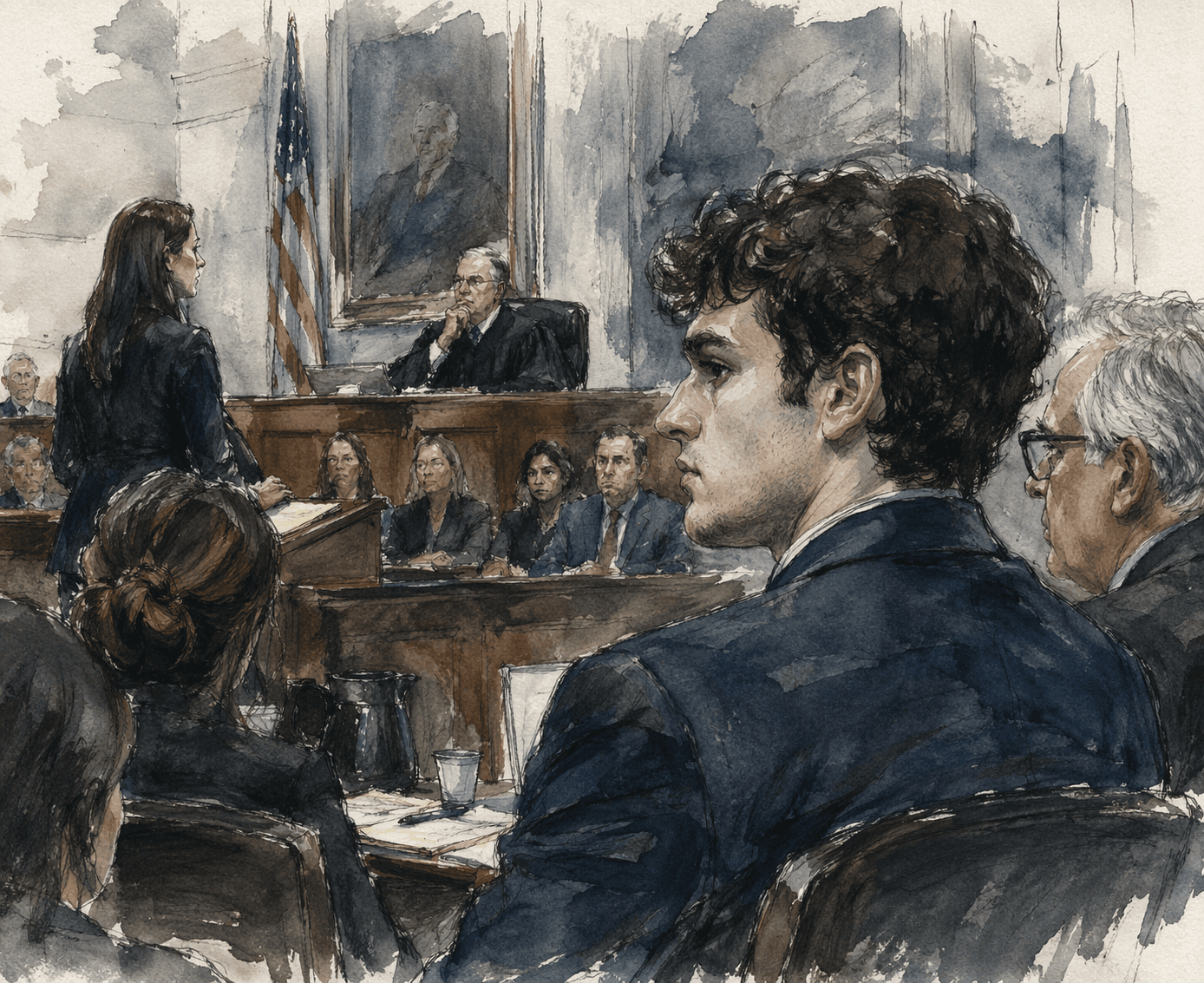
What it's about
The Supreme Court held that the trial court clearly erred in finding no racial discrimination in the prosecutor’s strike of a Black prospective juror.
The case centered on whether Curtis Flowers’s murder conviction from his sixth trial could stand under Batson, the Supreme Court rule against race-based jury strikes.
Question presented
1. WHETHER THE MISSISSIPPI SUPREME COURT ERRED IN HOW IT APPLIED BATSON v. KENTUCKY, 476 U.S. 79 (1986) IN THIS CASE. 2. Whether a prosecutor's history of adjudicated purposeful race discrimination may be dismissed as irrelevant when assessing the credibility of his proffered explanations for peremptory strikes against minority prospective jurors?
What the Court decided
Holding
All of the relevant facts and circumstances taken together establish that the trial court at Flowers’ sixth trial committed clear error in concluding that the State’s peremptory strike of black prospective juror Carolyn Wright was not motivated in substantial part by discriminatory intent. 240 So. 3d 1082, reversed and remanded.
- Result
- Reversed
The vote
What's next
The case returned to the lower court for further proceedings consistent with the Supreme Court’s decision. The Supreme Court has finished its action in this docket.
Documents
Docket activity
New analysis added
AI analysis generated: Case Briefing
AI analysis generated: Decision Record
New analysis added
Opinion added: opinion
Show 2 moreShow fewer
Brief added: Petition
Brief added: Questions Presented
More questions
- What did the Supreme Court decide in Flowers v. Mississippi?
- The Court overturned Mississippi’s ruling and sent the case back to the lower court. It found clear error in the trial judge’s treatment of the strike of Carolyn Wright.
- How did the Court assess the jury strike?
- The Court said all relevant facts and circumstances together showed that the strike of Wright was motivated in substantial part by discriminatory intent.
- Who joined the decision in Flowers v. Mississippi?
- Justice Kavanaugh wrote for seven justices. Justice Thomas dissented, and Justice Gorsuch joined parts of his dissent.
- What happens next in Flowers’s case?
- The lower court must handle the case after the Supreme Court sent it back (remanded). The Supreme Court’s docket action is complete.
Sources
Primary materials plus reporting. Best-effort analysis: this explainer relies on a mix of primary materials and trusted secondary sources. Official filings and opinions remain authoritative.