McCoy v. Louisiana
In brief
The Court reversed because a defendant has a Sixth Amendment right to insist that counsel not admit guilt over the defendant's objection.
- Where it stands
- Decided
Decided 6-3 · May 14, 2018 · Opinion by Justice Ginsburg
- What it’s about
- The Supreme Court ruled that Robert McCoy had the Sixth Amendment right to choose his defense and stop his lawyer from admitting guilt, even if the lawyer believed that strategy might avoid the death penalty.
- Who it affects
- The decision says a lawyer cannot override a defendant's chosen defense objective by conceding guilt, even to seek a lesser penalty. That rule applied despite counsel's view that a concession offered the best chance to avoid a death sentence.
Summary: written with AI from the case record.
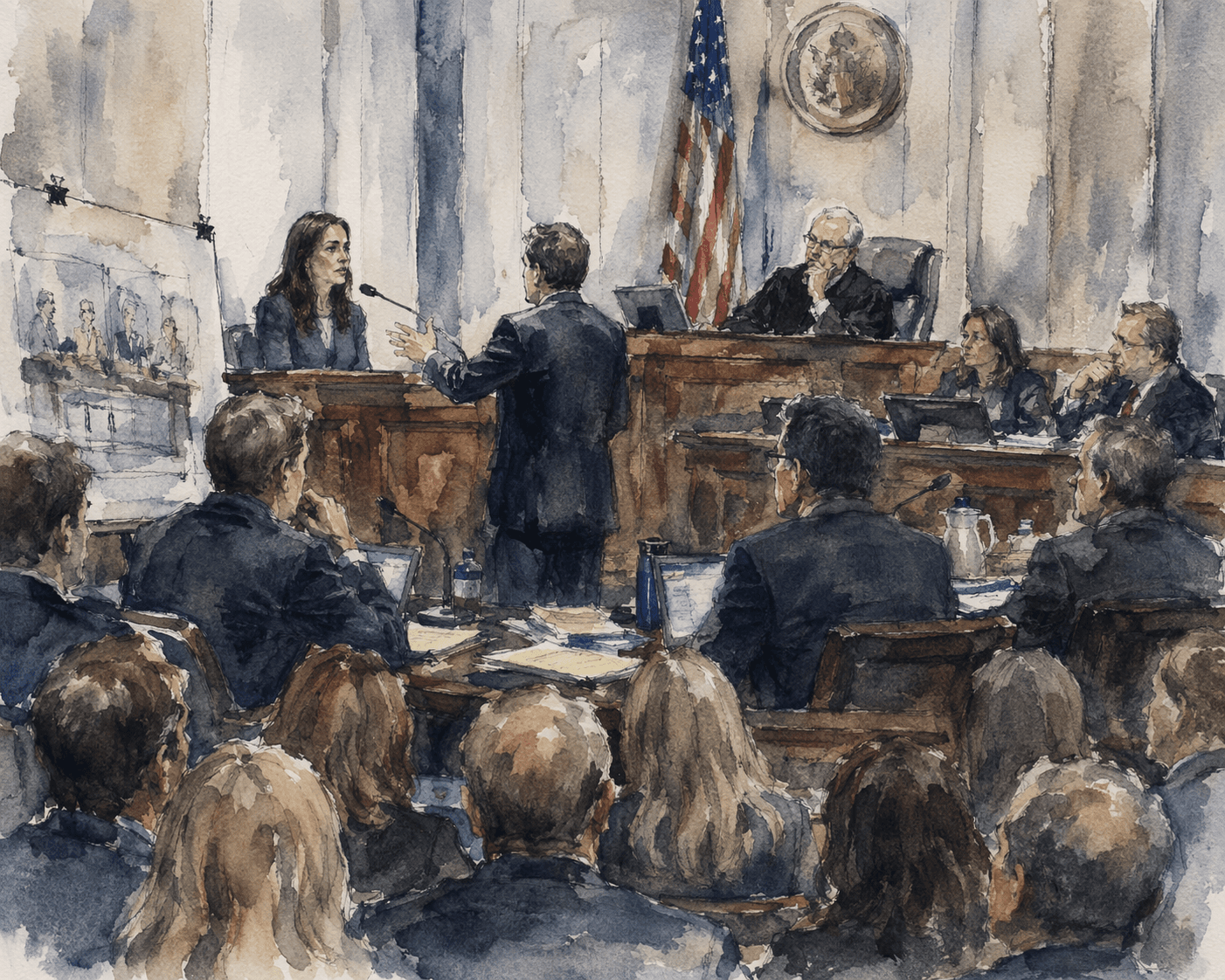
What it's about
The Court overturned the Louisiana Supreme Court’s judgment and sent the case back to the lower court (reversed and remanded).
The case concerns who controls the central goal of a criminal defense: the accused person or the defense lawyer.
Question presented
Is it unconstitutional for defense counsel to concede an accused's guilt over the accused's express objection?
What the Court decided
Holding
The Sixth Amendment guarantees a defendant the right to choose the objective of his defense and to insist that his counsel refrain from admitting guilt, even when counsel’s experienced-based view is that confessing guilt offers the defendant the best chance to avoid the death penalty. 2014–1449 (La. 10/19/16), 218 So. 3d 535, reversed and remanded.
- Result
- Reversed
The vote
From the opinions
“But English did not admit that petitioner was guilty”
What's next
The case returned to Louisiana on remand for further proceedings after the Supreme Court reversed the state court's judgment.
Documents
Docket activity
New analysis added
AI analysis generated: Impact Analysis
AI analysis generated: Opinion Summary
Case data updated: summary, question_presented, generation_metadata
New analysis added
Show 5 moreShow fewer
AI analysis generated: Case Briefing
AI analysis generated: Decision Record
New analysis added
Opinion added: opinion
Brief added: Questions Presented
More questions
- What did McCoy v. Louisiana decide?
- The Court held that the Sixth Amendment lets a defendant insist that counsel not admit guilt over the defendant's express objection.
- How did the Supreme Court rule in McCoy v. Louisiana?
- The Court reversed the Louisiana Supreme Court's judgment and remanded the case. Six justices joined Justice Ginsburg's opinion.
- Why did the lawyer's strategy matter in this case?
- McCoy's lawyer conceded he committed three murders while seeking to avoid a death sentence. McCoy repeatedly objected and wanted to maintain innocence.
- What happens next after the McCoy decision?
- The case returned to Louisiana for further proceedings on remand. The Supreme Court finished its action in this docket.
Sources
Primary materials plus reporting. Best-effort analysis: this explainer relies on a mix of primary materials and trusted secondary sources. Official filings and opinions remain authoritative.