Janus v. State, County, and Municipal Employees
In brief
The Court overturned the lower-court ruling and overruled Abood, so agency fees cannot be deducted from public employees without their affirmative consent.
- Where it stands
- Decided
Decided 5-4 · June 27, 2018 · Opinion by Justice Alito
- What it’s about
- Mark Janus challenged Illinois’s requirement that public employees who did not join a union pay agency fees—payments supporting the union’s contract negotiations.
- Who it affects
- The ruling ended mandatory agency-fee deductions for public-sector employees who did not agree to pay. States and public-sector unions may not deduct an agency fee or other union payment unless the employee affirmatively consents.
Summary: written with AI from the case record.
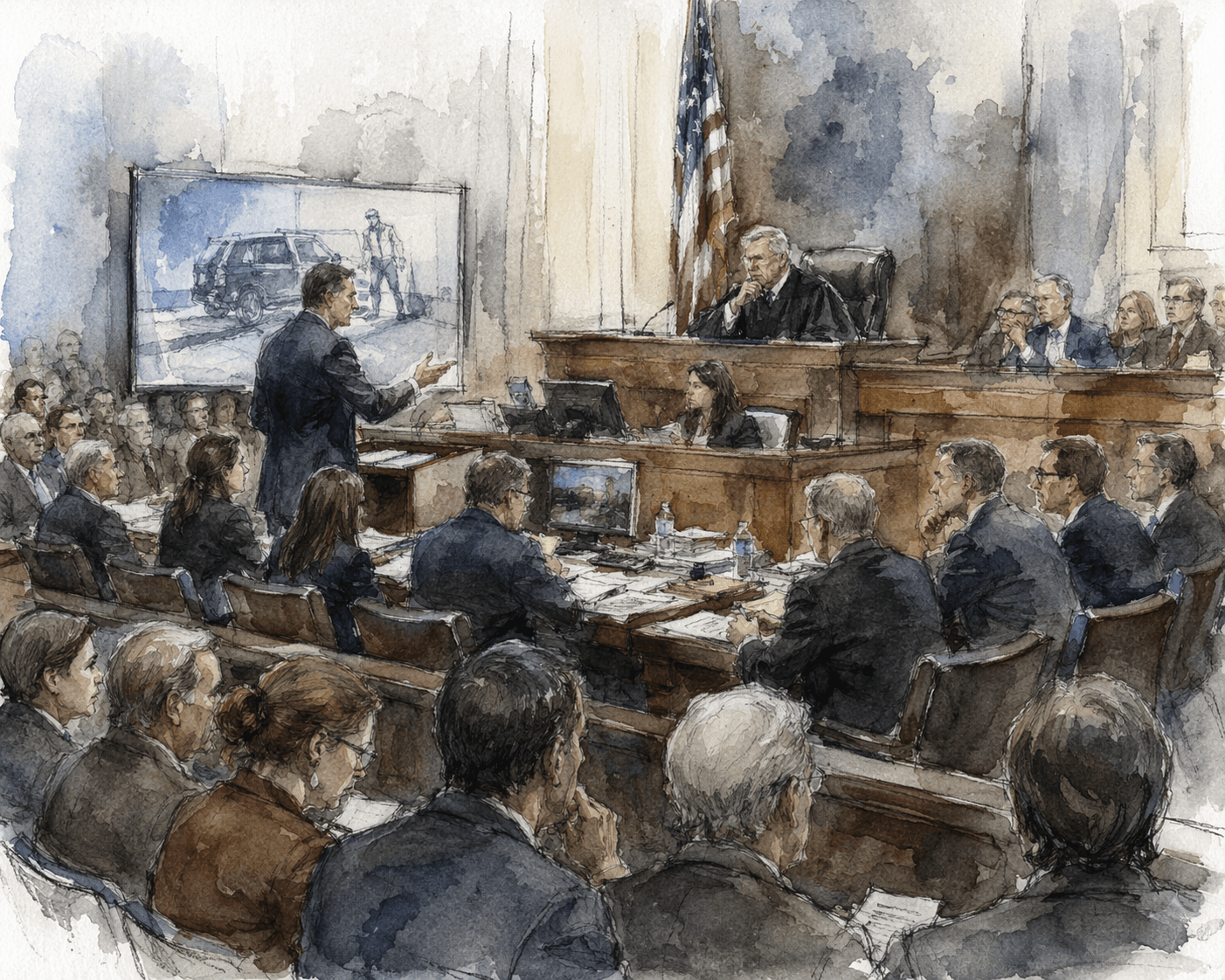
What it's about
The Supreme Court ruled that collecting those fees without affirmative consent violates the First Amendment, overturned Abood’s rule, overturned the Seventh Circuit’s judgment, and sent the case back to the lower court (remanded).
The case revisited a decades-old rule about public-sector union fees and the First Amendment.
Question presented
Should Abood be overruled and public sector agency fee arrangements declared unconstitutional under the First Amendment?
What the Court decided
Holding
The State’s extraction of agency fees from nonconsenting publicsector employees violates the First Amendment. Abood erred in concluding otherwise, and stare decisis cannot support it. Abood is therefore overruled. For these reasons, States and public-sector unions may no longer extract agency fees from nonconsenting employees. The First Amendment is violated when money is taken from nonconsenting employees for a public-sector union; employees must choose to support the union before anything is taken from them. Accordingly, neither an agency fee nor any other form of payment to a public-sector union may be deducted from an employee, nor may any other attempt be made to collect such a payment, unless the employee affirmatively consents to pay. 851 F. 3d 746, reversed and remanded.
- Result
- Reversed
The vote
From the opinions
“For over 40 years, Abood v. Detroit Bd. of Ed. , 431 U. S. 209 (1977), struck a stable balance between public employees’ First Amendment rights and government entities’ interests in running their workforces as they thought proper.”
What's next
The Supreme Court sent the case back to the Seventh Circuit (remanded) for further proceedings. Its consent rule now controls whether an agency fee or other payment to a public-sector union may be deducted.
Documents
Docket activity
New analysis added
AI analysis generated: Impact Analysis
AI analysis generated: Opinion Summary
Case data updated: summary, question_presented, generation_metadata
New analysis added
Show 6 moreShow fewer
AI analysis generated: Case Briefing
AI analysis generated: Decision Record
New analysis added
New analysis added
Opinion added: opinion
Brief added: Questions Presented
More questions
- What did Janus challenge?
- He challenged Illinois’ requirement that public employees who did not join a union pay agency fees for the union’s bargaining costs.
- Did the Supreme Court overturn Abood?
- Yes. The Court rejected Abood’s rule and decided that agency fees require an employee’s affirmative consent under the First Amendment.
- Who may collect agency fees after Janus?
- States and public-sector unions may not collect agency fees or other union payments from employees who do not affirmatively consent.
- What happens next in Janus?
- The Court overturned the lower court’s ruling and sent the case back to the Seventh Circuit (reversed and remanded) for further proceedings.
Sources
Primary materials plus reporting. Best-effort analysis: this explainer relies on a mix of primary materials and trusted secondary sources. Official filings and opinions remain authoritative.