Sveen v. Melin
In brief
The Supreme Court rejected the Contracts Clause challenge, overturned the Eighth Circuit’s ruling, and sent the case back (reversed and remanded).
- Where it stands
- Decided
Decided 8-1 · June 11, 2018 · Opinion by Justice Kagan
- What it’s about
- This case considers whether the retroactive application of a Minnesota law that automatically revokes an ex-spouse's status as a life insurance beneficiary violates the Constitution's Contracts Clause.
- Who it affects
- The ruling means Minnesota can apply this beneficiary rule to policies already in place without violating the Contracts Clause in this case.
Summary: written with AI from the case record.
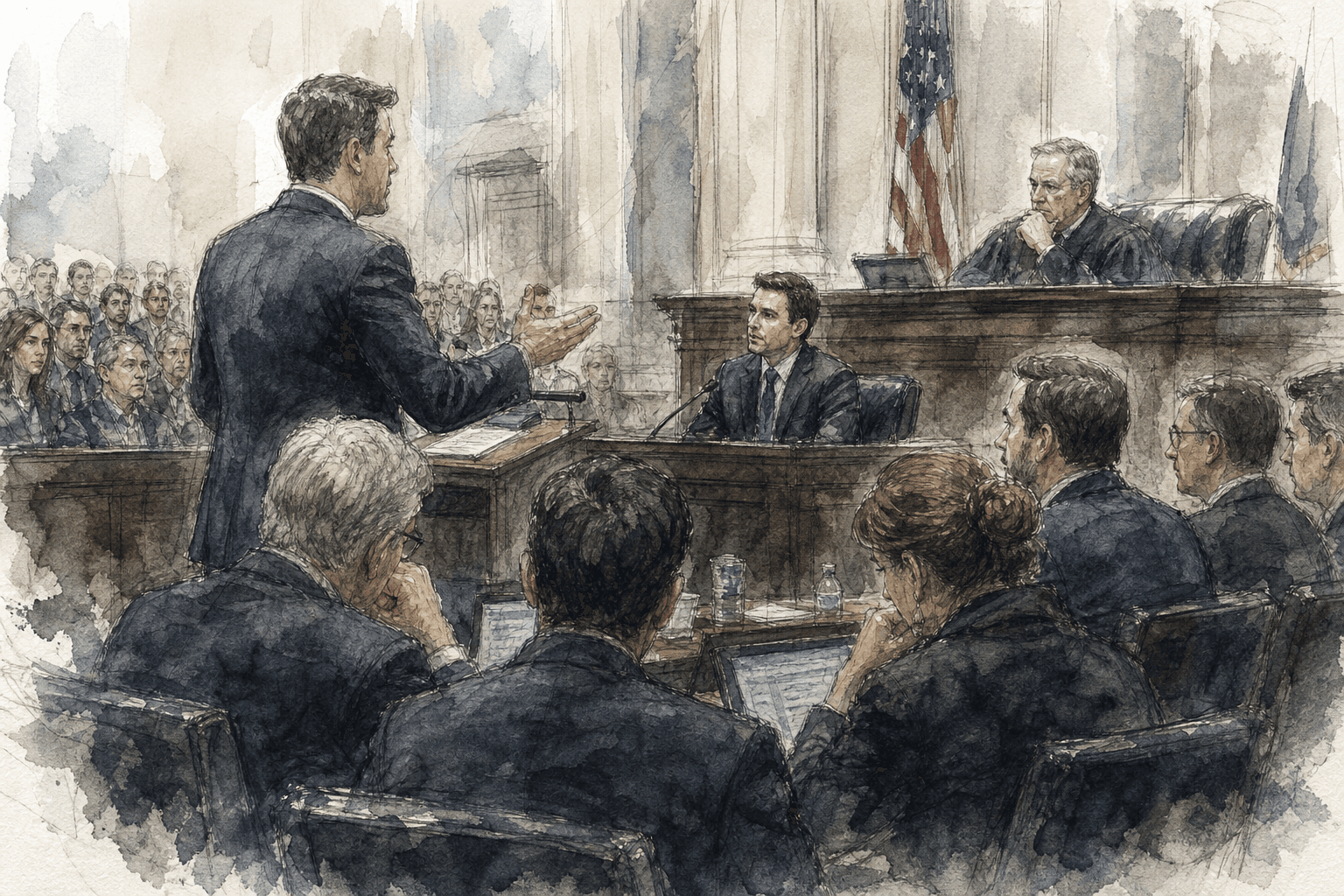
What it's about
The Supreme Court ruled that the law does not violate the Contracts Clause because it does not substantially impair pre-existing contractual arrangements.
The dispute sits at the intersection of divorce law, life insurance, and constitutional limits on changing existing contracts.
Question presented
Whether the retroactive application of a Minnesota law that automatically revokes an ex-spouse's status as a life insurance beneficiary violates the Constitution's Contracts Clause.
What the Court decided
Holding
The retroactive application of Minnesota’s statute does not violate the Contracts Clause. That Clause restricts the power of States to disrupt contractual arrangements, but it does not prohibit all laws affecting pre-existing contracts, see El Paso v. Simmons, 379 U. S. 497, 506–507. The two-step test for determining when such a law crosses the constitutional line first asks whether the state law has “operated as a substantial impairment of a contractual relationship.” Allied Structural Steel Co. v. Spannaus, 438 U. S. 234, 244. 853 F. 3d 410, reversed and remanded.
- Result
- Reversed
The vote
From the opinions
“Everyone agrees that the law is valid when applied prospectively to policies purchased after the statute’s enactment.”
What's next
The case returns to the Eighth Circuit for the remaining steps after the Supreme Court overturned its ruling and sent the case back (reversed and remanded). The constitutional question is settled; any remaining case-specific issues must be handled there.
Why it matters
The Court’s test begins by asking whether a state law substantially impairs the existing contract—meaningfully weakens the agreement.
Documents
Docket activity
New analysis added
AI analysis generated: Case Briefing
AI analysis generated: Decision Record
New analysis added
Opinion added: opinion
Show 1 moreShow fewer
Brief added: Questions Presented
More questions
- What was Sveen v. Melin about?
- It asked whether Minnesota could automatically remove an ex-spouse as a life-insurance beneficiary after divorce under a law applied to existing policies.
- Did the Supreme Court reject the Contracts Clause challenge in Sveen v. Melin?
- Yes. The Court decided that applying Minnesota’s law to existing policies did not violate the Contracts Clause, which limits state power to interfere with contracts.
- Who agreed with Justice Kagan in Sveen v. Melin?
- Chief Justice Roberts and Justices Kennedy, Thomas, Ginsburg, Breyer, Alito, and Sotomayor signed on to her opinion. Justice Gorsuch wrote separately in disagreement.
- What happens next in Sveen v. Melin?
- The case returns to the Eighth Circuit for further proceedings. The Supreme Court overturned the Eighth Circuit’s ruling and sent the case back (reversed and remanded).
Sources
Primary materials plus reporting. Best-effort analysis: this explainer relies on a mix of primary materials and trusted secondary sources. Official filings and opinions remain authoritative.