Class action evidence
Tyson Foods v. Bouaphakeo
In brief
The Court let Tyson's employees pursue their overtime claims as a group, but did not decide whether workers who were not injured could share in an award.
- Where it stands
- Decided
Decided 6-2 · March 22, 2016 · Opinion by Justice Kennedy
- What it’s about
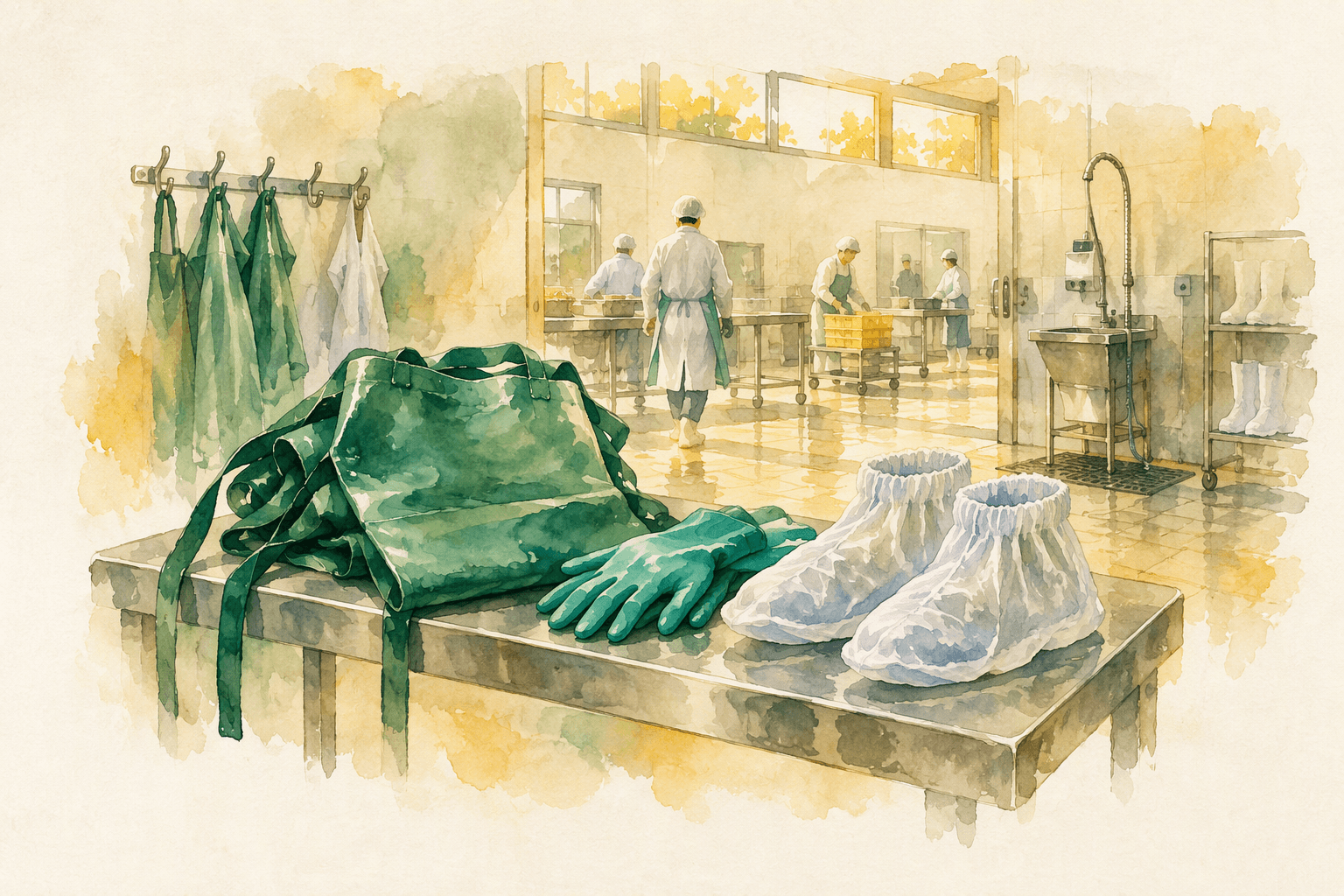
- Tyson Foods employees sought overtime for time spent putting on and removing protective gear; Tyson argued that differing work times and uninjured members barred a class case.
- Who it affects
- The employees may pursue one group case; lower courts still must decide whether workers who were not injured can receive money.
Summary: written with AI from the case record.
What it's about
The Supreme Court agreed the class could proceed and sent the case back (remanded), leaving lower courts to decide how any award should be divided, including whether uninjured members could recover.
The dispute concerned whether employees could prove their claims together and whether every member of the group had actually lost pay.
Question presented
1. May differences among plaintiff class members be ignored for the purpose of class certification when liability and damages will be calculated based on statistical techniques that presume all class members are identical to an average? 2. May a class action be certified and maintained when the class contains members who were not injured and therefore have no legal right to damages?
What the Court decided
Holding
The District Court did not err in certifying and maintaining the class. 765 F. 3d 791, affirmed and remanded.
- Result
- Affirmed
The vote
- Joined the judgment
- Concurred in a separate opinion
- Dissented
- Wrote an opinion
- Concurring · 1agreed with the result, wrote separately
- Robertswrote separately
From the opinions
“Our precedents generally prohibit plaintiffs from maintaining a class action when an important element of liability depends on facts that vary among individual class members.”
What's next
The lower courts are left to decide whether uninjured class members may receive money from any group award; the Supreme Court did not resolve that question.
Each side's argument
- Tyson Foods
- Tyson argued that differences in time spent putting on and removing protective gear made a group case improper, and that an award might pay employees who were not injured.
- The employees
- The employees sought overtime pay for time spent putting on and removing protective gear.
Documents
Opinions
Docket activity
New analysis added
AI analysis generated: Case Briefing
New analysis added
AI analysis generated: Impact Analysis
AI analysis generated: Opinion Summary
Show 4 moreShow fewer
AI analysis generated: Decision Record
Case data updated: summary, question_presented, generation_metadata
Case data updated: question_presented, extraction_metadata
Opinion added: Tyson Foods
Sources
Primary materials plus reporting. Best-effort analysis: this explainer relies on a mix of primary materials and trusted secondary sources. Official filings and opinions remain authoritative.